December 17, 2025
April 21, 2025
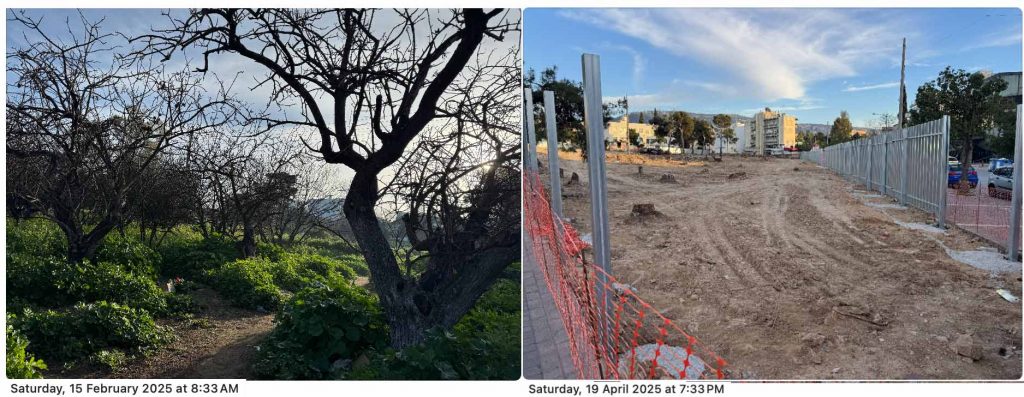
before and after- η ζωή αλλάζει γρήγορα
Σχεδόν ταυτόχρονα με τη στιγμή που έβγαλα τη δεύτερη φωτογραφία από τις λεηλατημένες φυστικιές στο μεγάλο πράσινο πάρκο άκουσα κάποιες κυρίες, όχι μεγάλης ηλικίας, να χαίρονται για την εξέλιξη δηλώνοντας ότι “επιτέλους καθάρισε”. Ένοιωσα μια περίεργη σύνδεση για τις φυστικιές. Πενθώπου κατέγραψα τόσο λίγο τη χάρη τους πριν εξαφανιστούν. Μάλλον δεν εχει νόημα. Ήταν αλλοιώς και θα γίνουν αλλοιώς. Δεν οδήγησε πυ ενά αυτή η καλλιέργεια του Παυλίδη. Δεν την εκτίμησε κανείς. Γιατί να γκρινιάξω που αλλάζει. Φαίνεται ότι δεν θα λείψει σε κανέναν. Εκτός αν αυτοί που θα τους λείψει είναι πολύ λιγότεροι από αυτο΄που θα ωφεληθούν. Εργολάβοι, μηχανικοί, εργάτες , δικηγόροι, συμβολαιογράφοι, μαγαζιά. λαός πολύς , ανάπτυξη , συγκέντρωση. Οκ θα χάσει λίγο από το περιββαντολογικό κεφάλαιο αλλά το οικοομικό κεφάλαιο της περιχής θα αυξηθεί μιας και θα δουλέψουν και θα επωφεληθούν τόσο κλάδοι Εννοείται ότι θα έρθουν και καινούργιοι κάτοικοι οι οποίοι για να έχουν πληρώσουν τα υπέρογκα ποσά ου θα τους ζητηθούν
” Το κτήμα, στο οποίο όντως υπάρχουν φιστικιές, συνδέεται από τους επαΐοντες με την ιστορία και τις απαρχές της καλλιέργειας αυτού του καρπού στην Ελλάδα και ειδικότερα με τον ιδιόκτητη της βιομηχανίας σοκολάτας Παυλίδη, Δημήτρη Παυλίδη, ο οποίος περί το 1860 εγκατέστησε φυτεία φιστικιάς στο κτήμα του στο Ψυχικό. Αυτό μαζί με το οικοδομικό τετράγωνο 15, που προ δεκαετιών στέγαζε το νηπιαγωγείο «Πλάτων», είναι από τους τελευταίους αδόμητους χώρους στην περιοχή του Νέου Ψυχικού.“
March 24, 2025


March 20, 2025
March 3, 2025
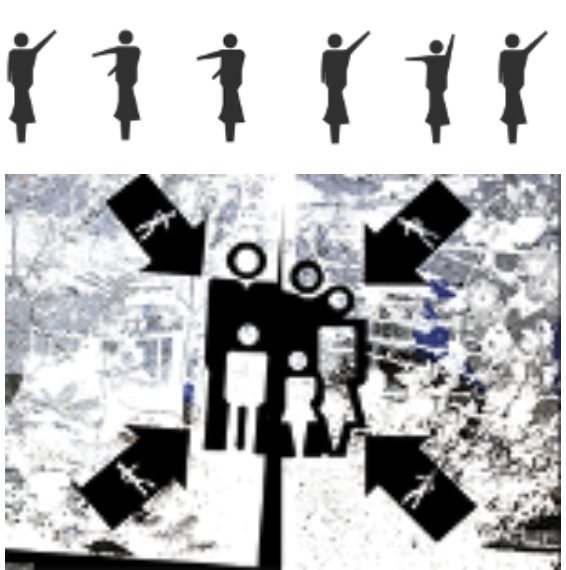
panormos-dislocated identities
March 1, 2025







February 28, 2025
Architectural Characteristics in “Metropolis” (1927)
Expressionist Futurism & Brutalism
The buildings in Metropolis are massive, rigid, and imposing, reflecting power and hierarchy.
They feature monolithic facades with repetitive square windows, creating a feeling of uniformity and control.
The design foreshadows Brutalist architecture (e.g., massive concrete structures with minimal ornamentation).
Industrial & Machine-Age Influence
The cityscape in Metropolis reflects early 20th-century industrial expansion.
The structures resemble factories, mechanical systems, and rigid efficiency, aligning with the film’s themes of workers vs. elites.
Dystopian Urban Planning
The segregated city design (workers live in underground slums while the elites reside in towering skyscrapers) suggests early megastructures.
These visuals influenced Blade Runner (1982), Gotham City (Batman), and cyberpunk cities.
Connections to Your Previous Image
Grid-like Windows & Towering Facades
Both images feature a rigid window layout, contributing to a sense of repetition and dehumanization.
This aesthetic reflects the idea of architecture serving authority rather than individuality.
Minimalist & Geometric Approach
The boxy, uniform structures in both images lack human-scale ornamentation, reinforcing the machine-dominated city concept.
Dystopian & Sci-Fi Inspiration
The lighting and composition in Metropolis emphasize power dynamics (workers entering buildings like factory shifts).
Your previous image also suggests a futuristic, potentially dystopian cityscape.
Suggestions for Expanding on This Style
To emphasize interconnected structures in a massive city.
multi-tiered urban levels to create a dynamic futuristic metropolis.
Lighting Effects → Strong contrast (like Metropolis) to emphasize power, control, and mystery.
Industrial Materials → Concrete, steel, and glass to reinforce a machine-age aesthetic.
< !– wp:gallery {“linkTo”:”none”} –>

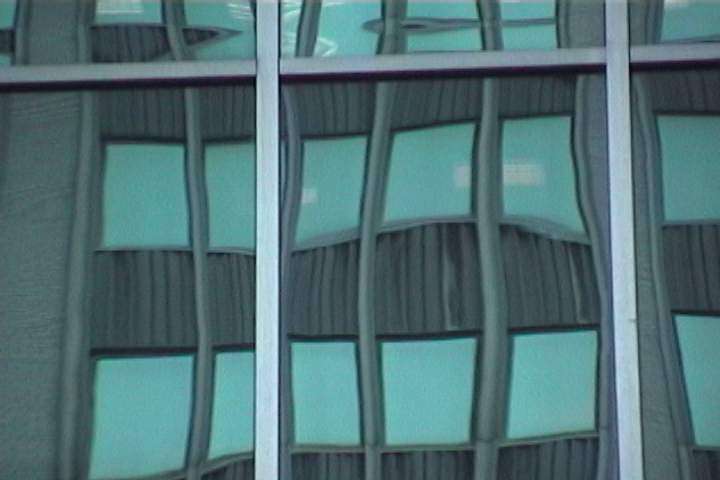
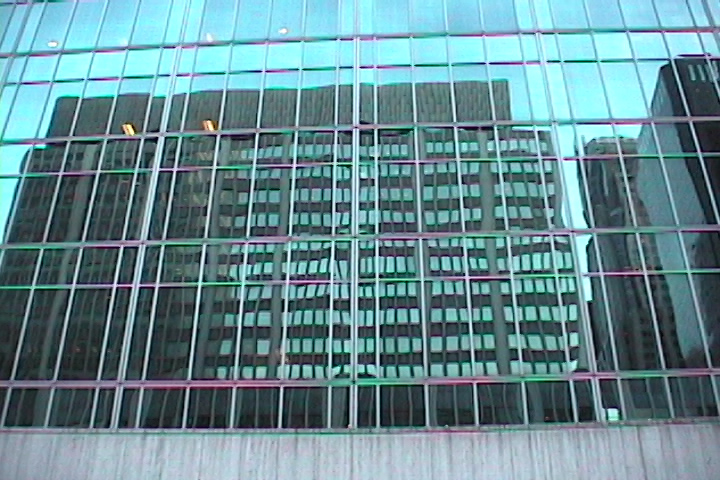
The architecture in the Metropolis (1927) film and the building in your previous image share stylistic and conceptual similarities, especially in their dystopian, geometric, and repetitive design.
February 26, 2025
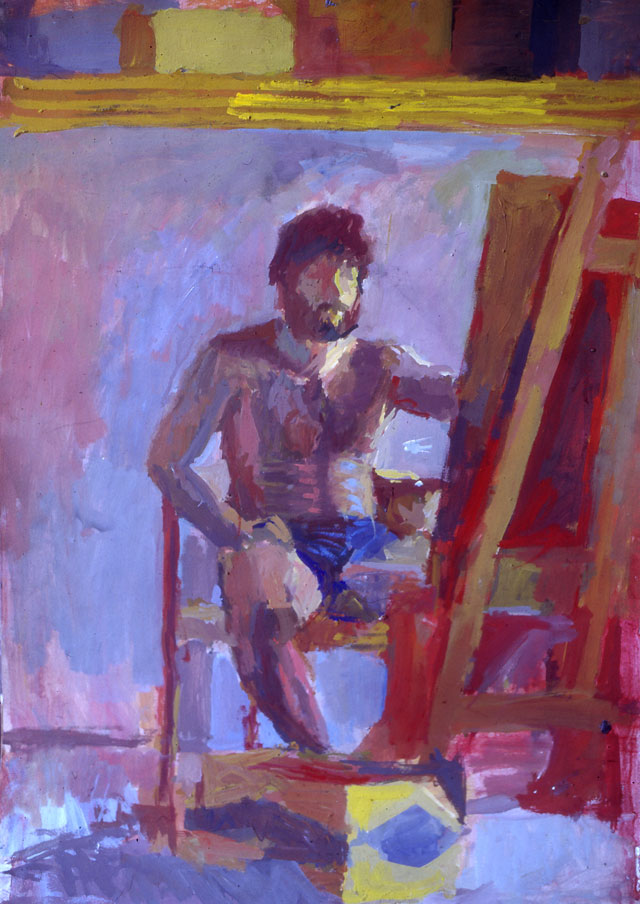
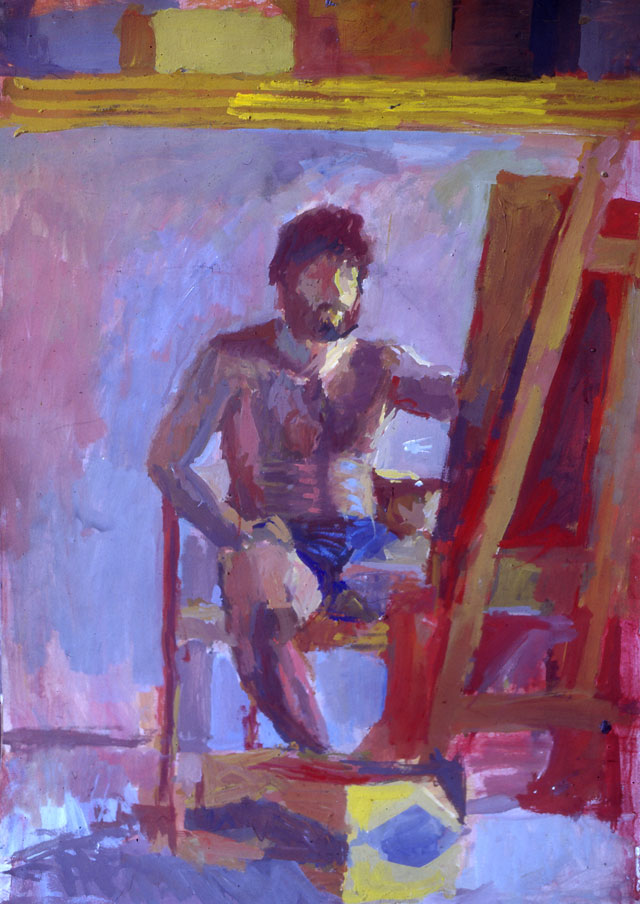
1990-1997

December 10, 2024

September 6, 2024


September 5, 2024

September 3, 2024

September 1, 2024
“The ethics of revolting against a system is a complex and multifaceted issue that depends on various factors, including the nature of the system, the means of revolt, the goals of the revolutionaries, and the potential consequences. Ethical considerations surrounding revolution often involve questions of justice, human rights, and the balance between the need for change and the potential for harm.”
“The means by which a revolution is carried out significantly impact its ethical standing. Nonviolent resistance, as advocated by figures like Mahatma Gandhi and Martin Luther King Jr., is often seen as ethically superior because it seeks to achieve change without causing harm. Nonviolent movements aim to appeal to the conscience of the oppressors and the broader public, relying on moral persuasion rather than coercion.”
July 25, 2024
July 23, 2024

July 18, 2024

July 17, 2024
«Ποιός μου κόβει τα καλά δέντρα;» Έλαβε αμέσως της Νικίππης τη μορφή, που ιέρεια οι πολίτες δημόσια την ορίσανε, κι αφού πήρε στα χέρια στεφάνια, παπαρούνες και στον ώμο κρέμασε κλειδί,είπε, να μαλακώσει τον κακό κι αναίσχυντο άντρα:«Παιδί μου, που τα δέντρα κόβεις τ᾽ αφιερωμένα στους θεούς,παιδί μου ησύχασε, αγαπημένο τέκνο στους γονείς σου, πάψε, και τους βοηθούς σου απότρεψε μην κι οργιστεί η Δήμητρα η Σεβάσμια, τον ιερό της τόπο που ξεκάνεις».



July 11, 2024
July 7, 2024


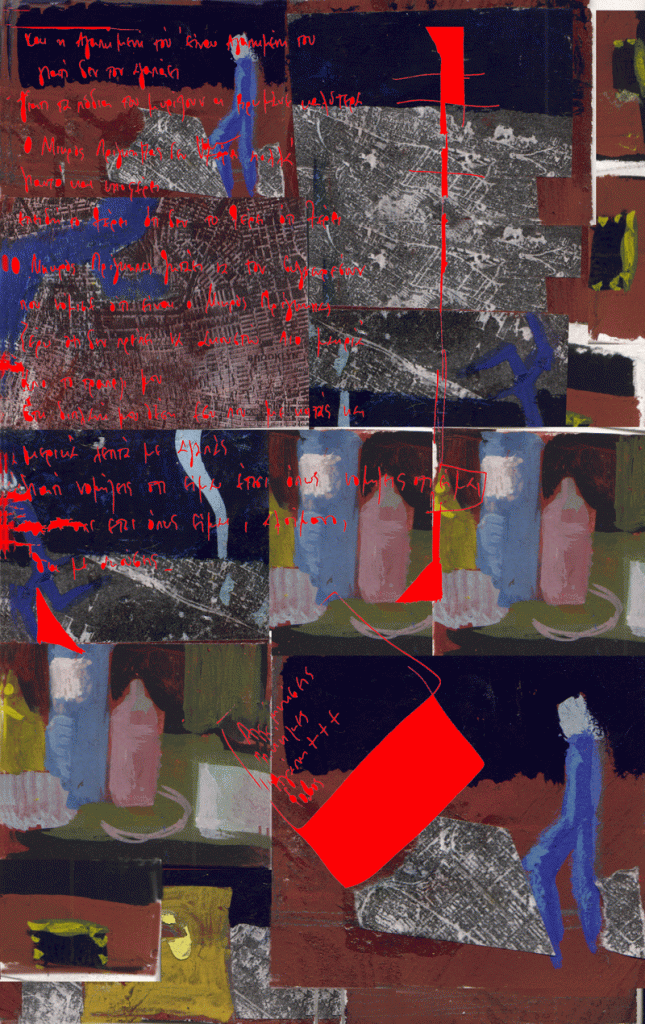
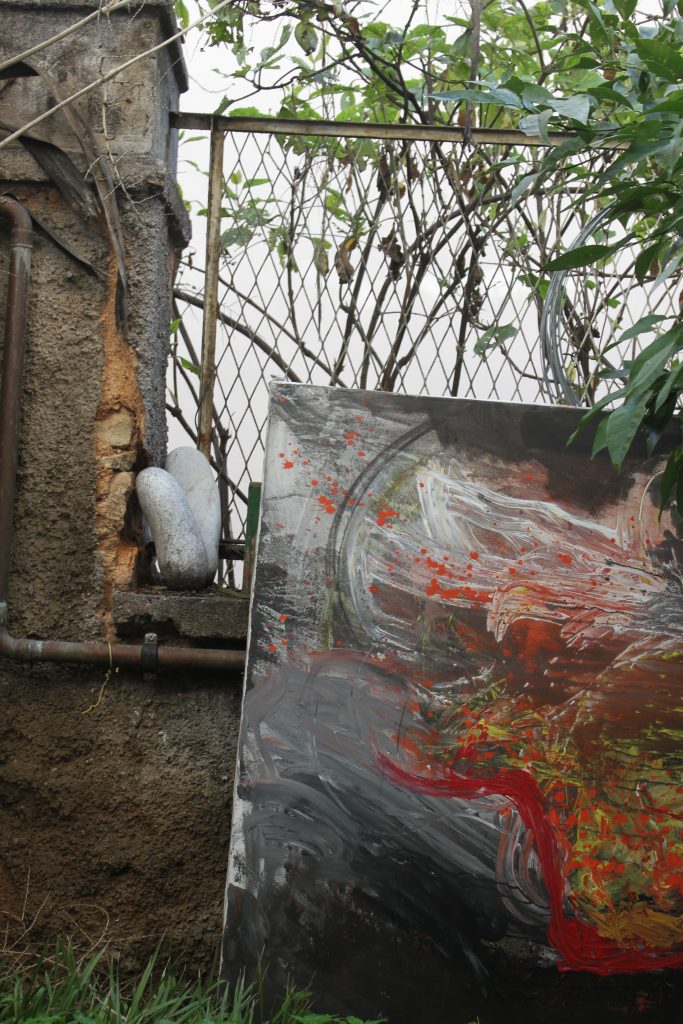
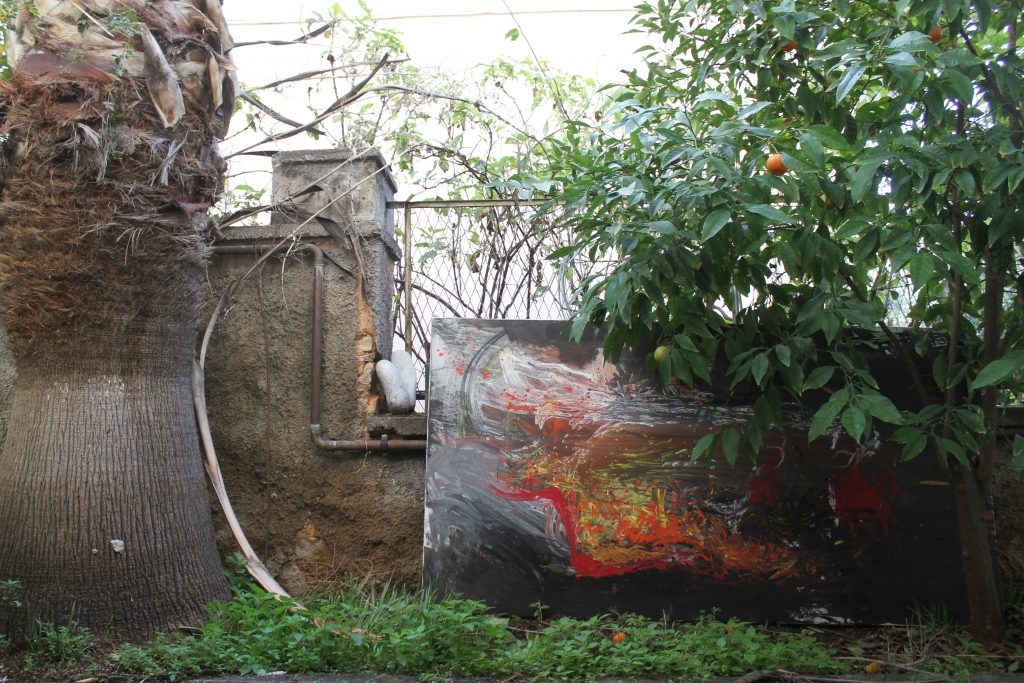
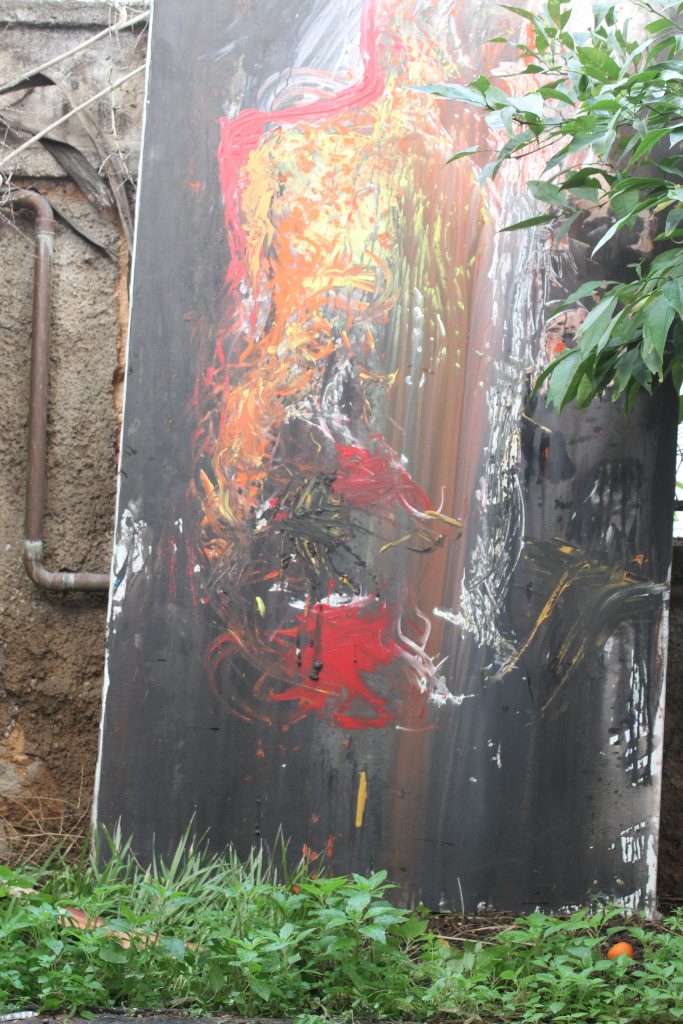
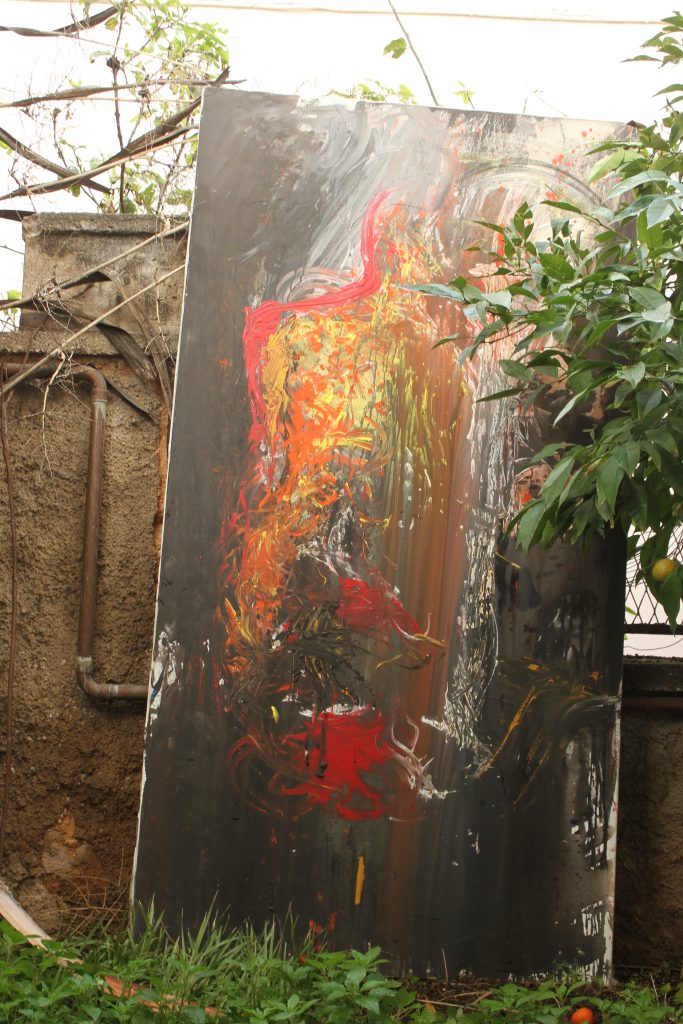
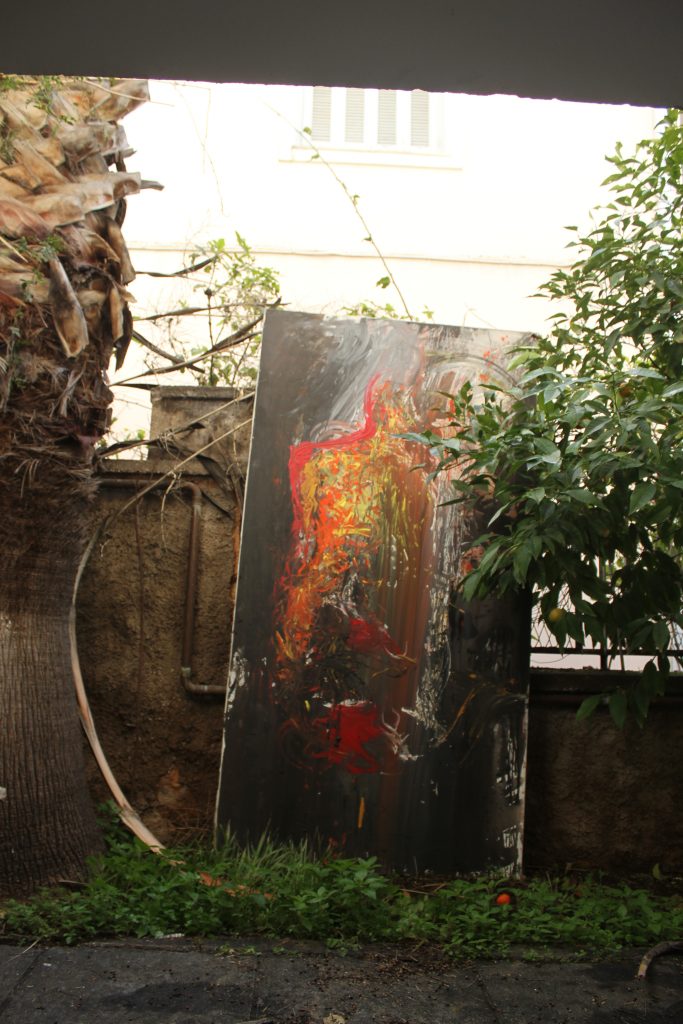
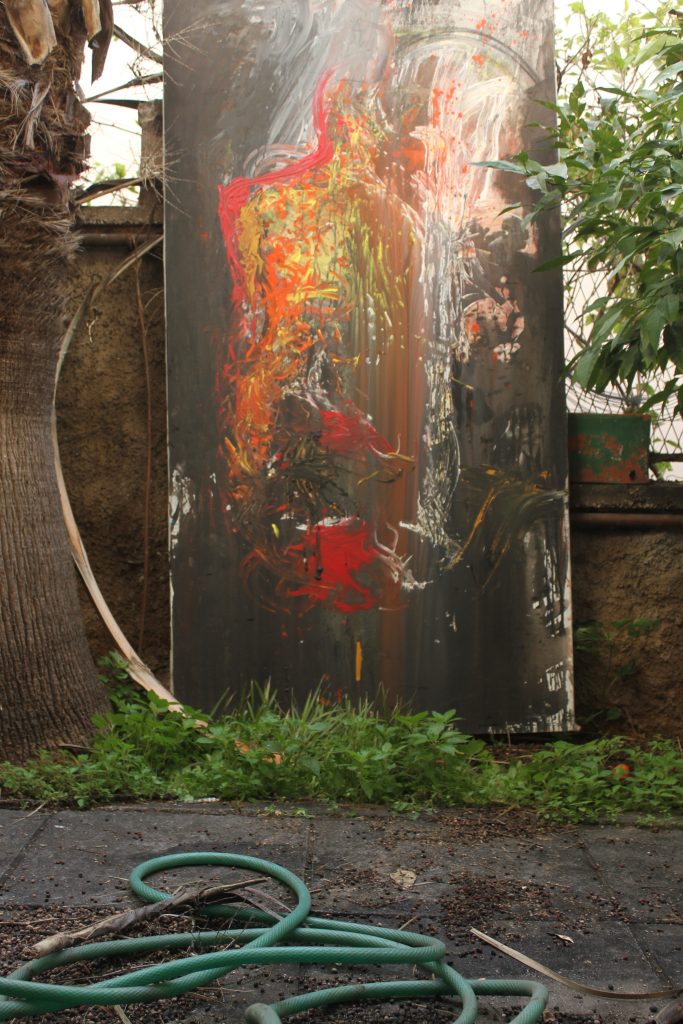
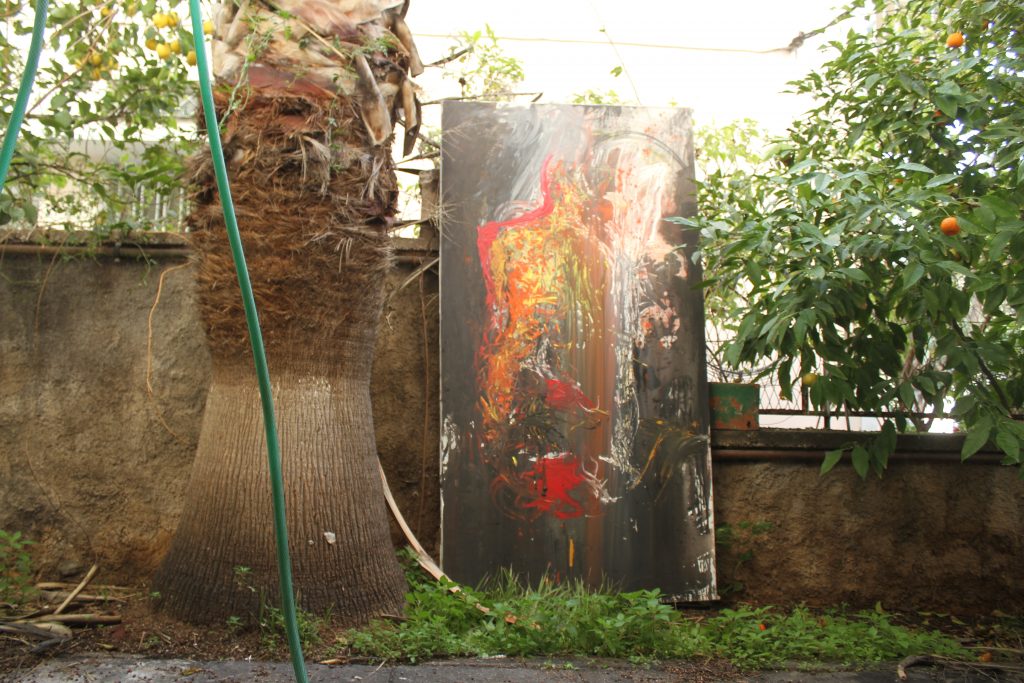
;τα κουρέλια του χαμένου ζωγραφισμένου παραδείσου
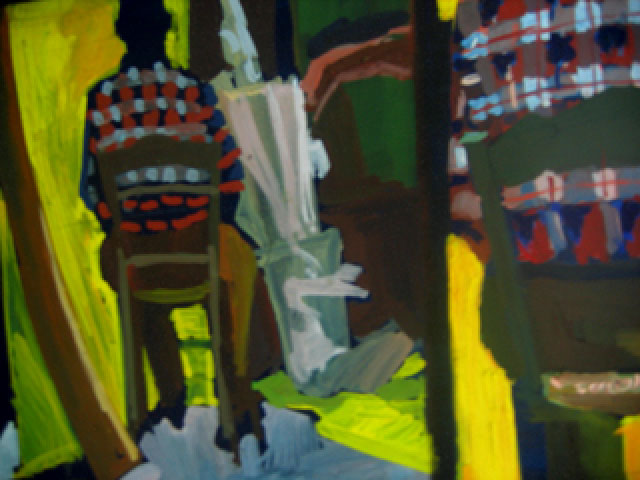
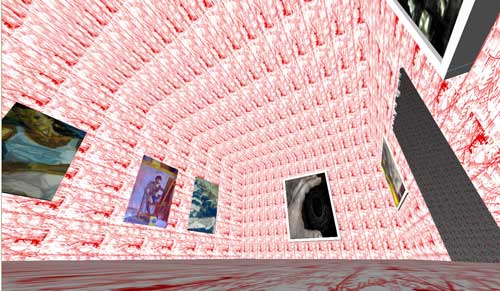
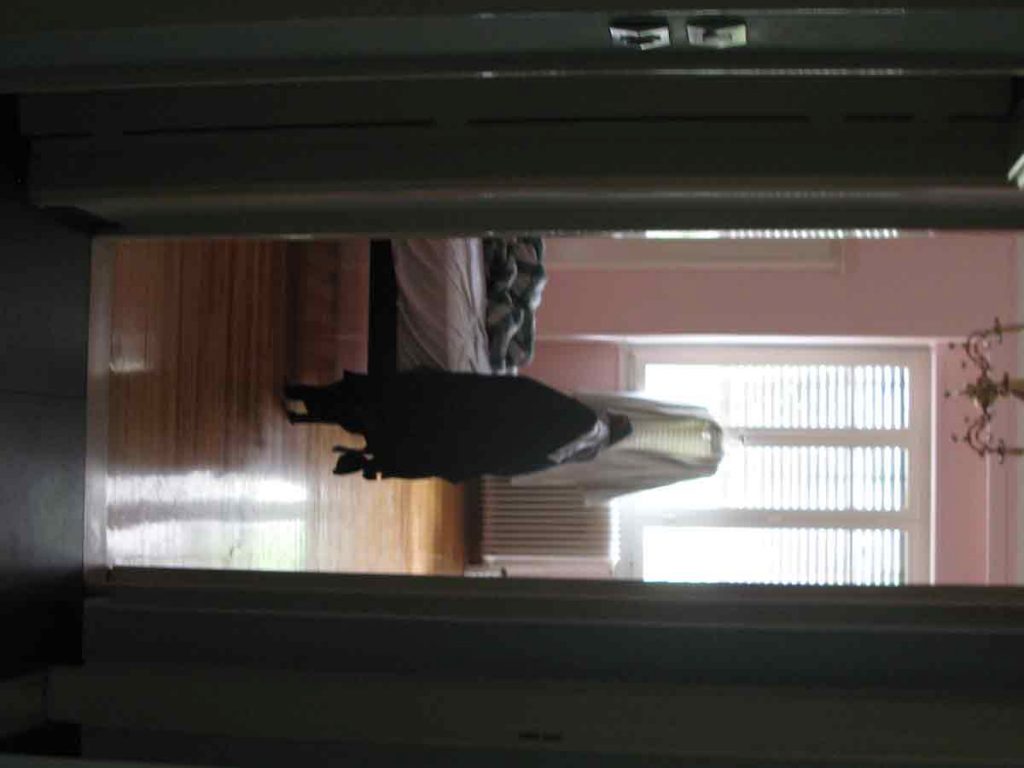
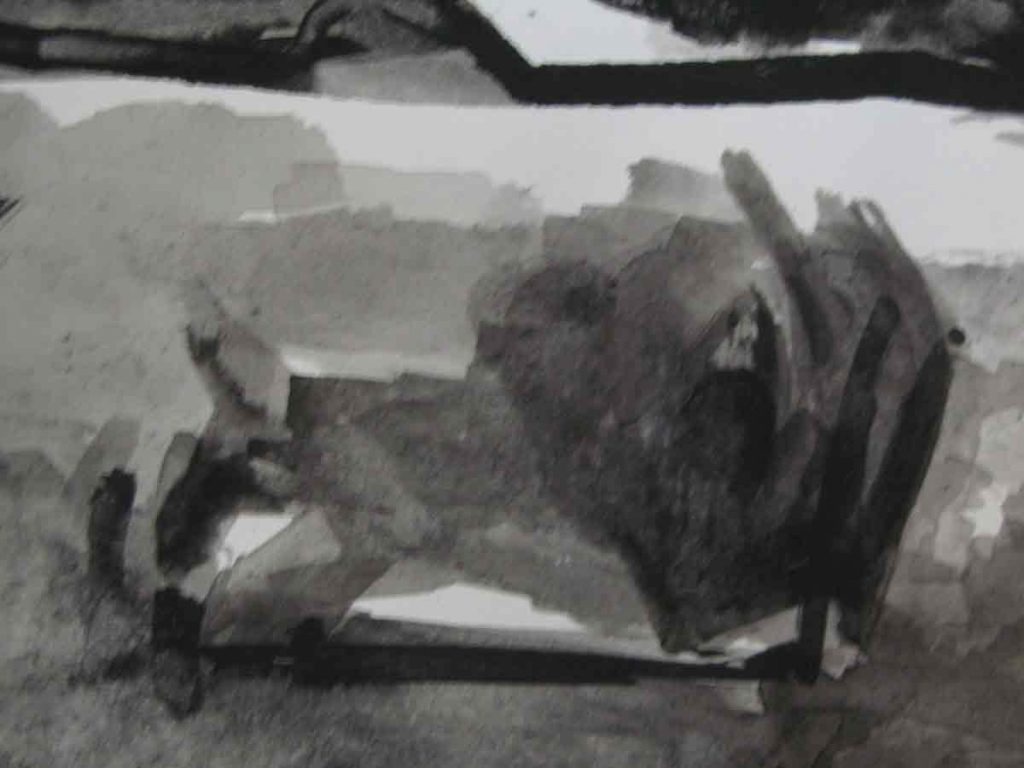
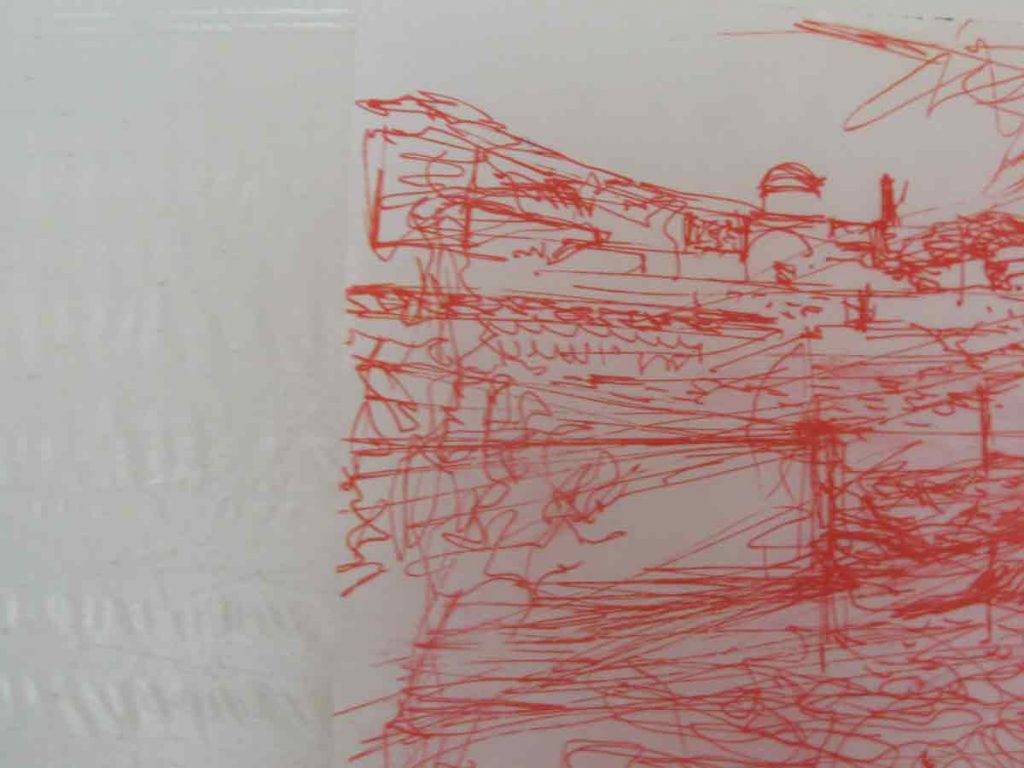
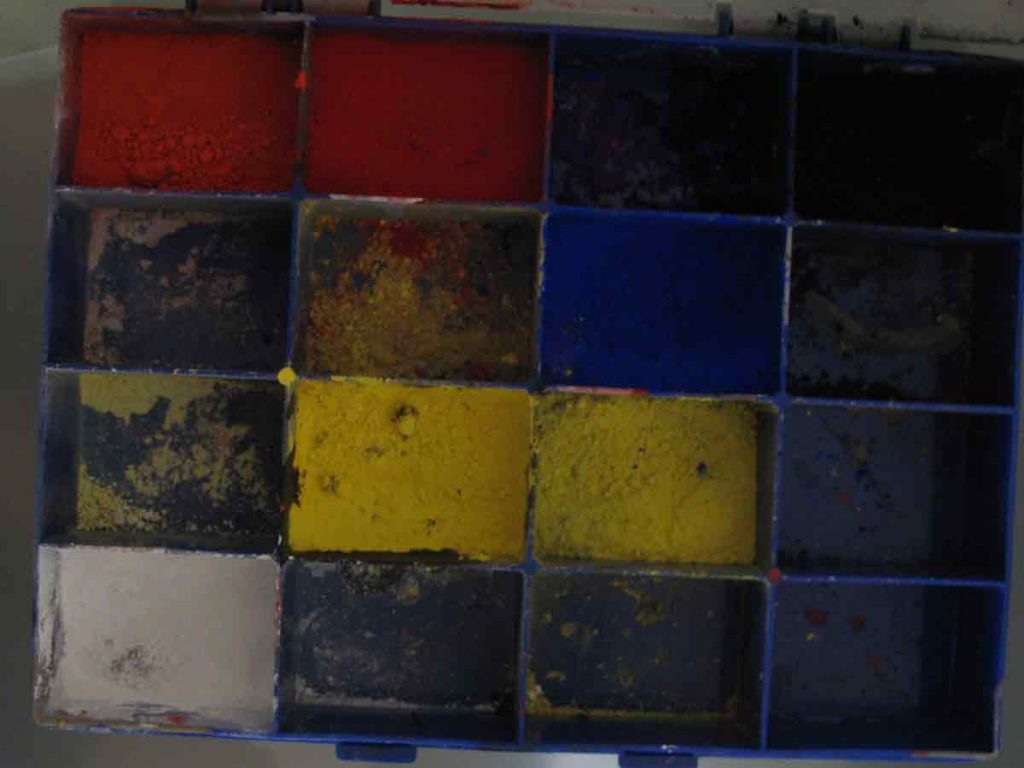
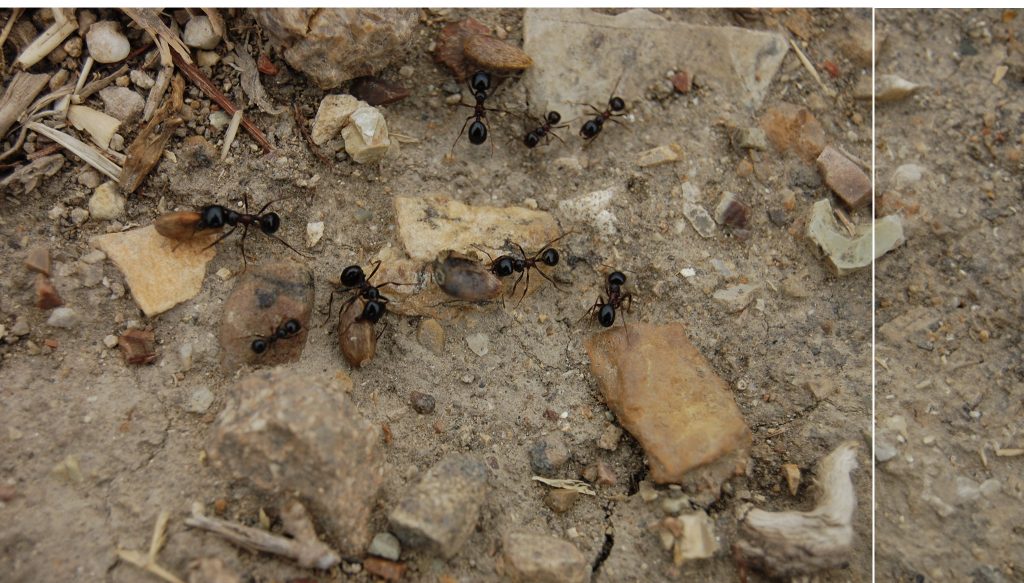
Τα κουρέλια του ζωγραφισμένου παραδείσου είναι μια ζωγραφική εργασία που έκανα






July 6, 2024
July 3, 2024
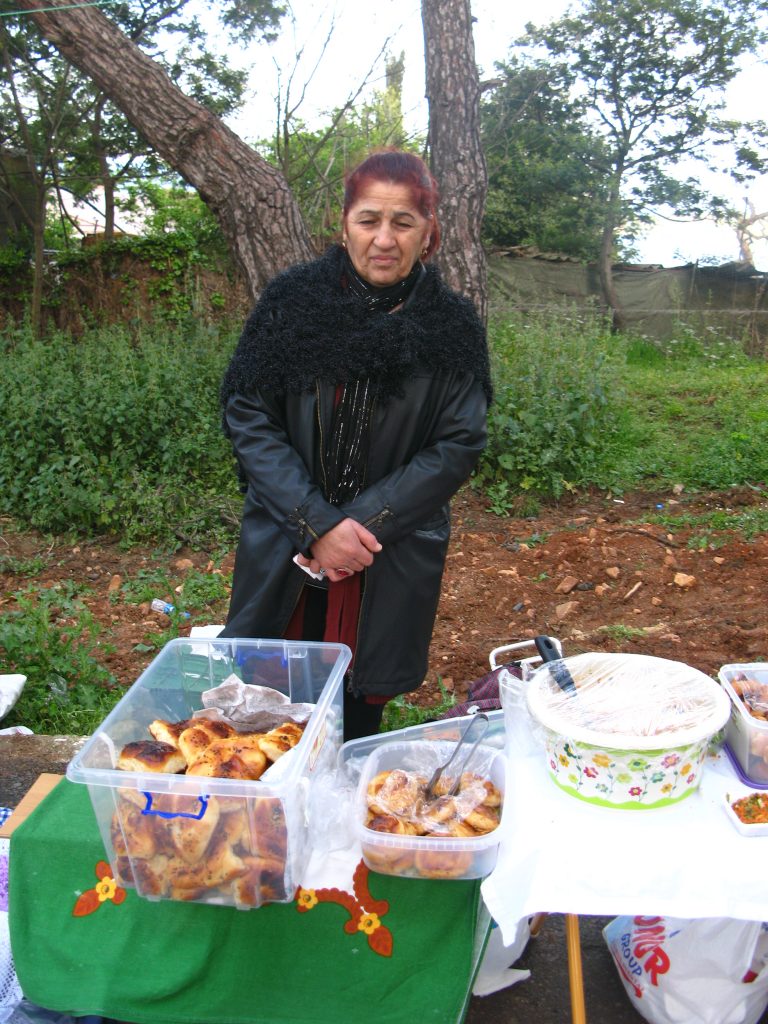
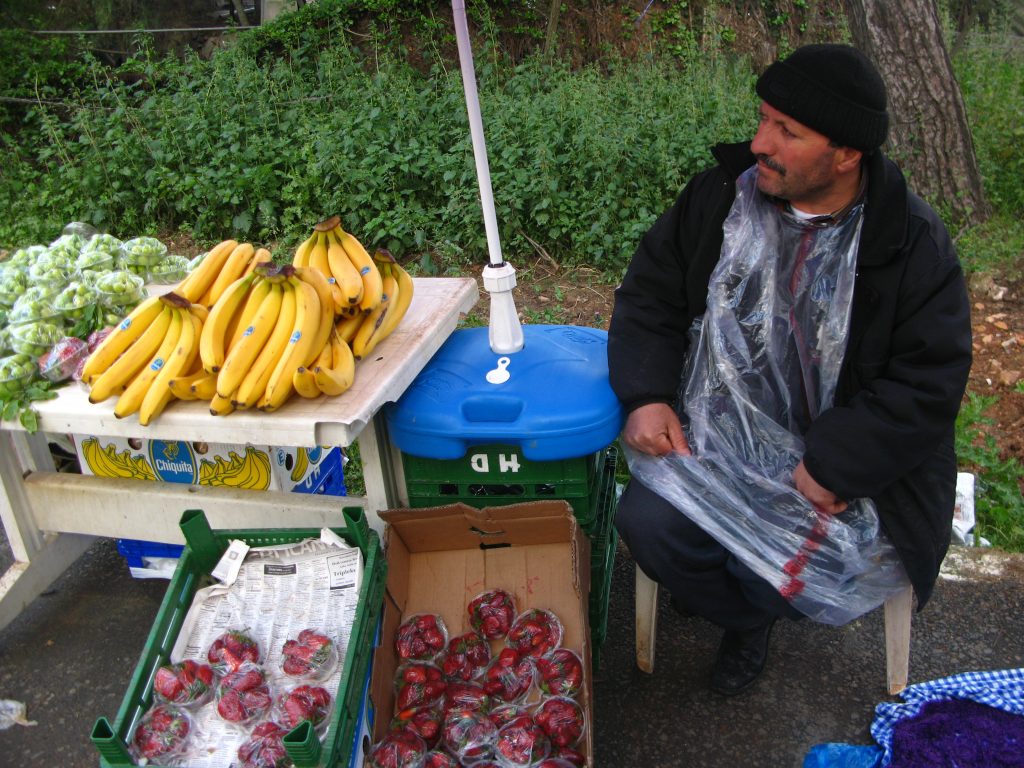
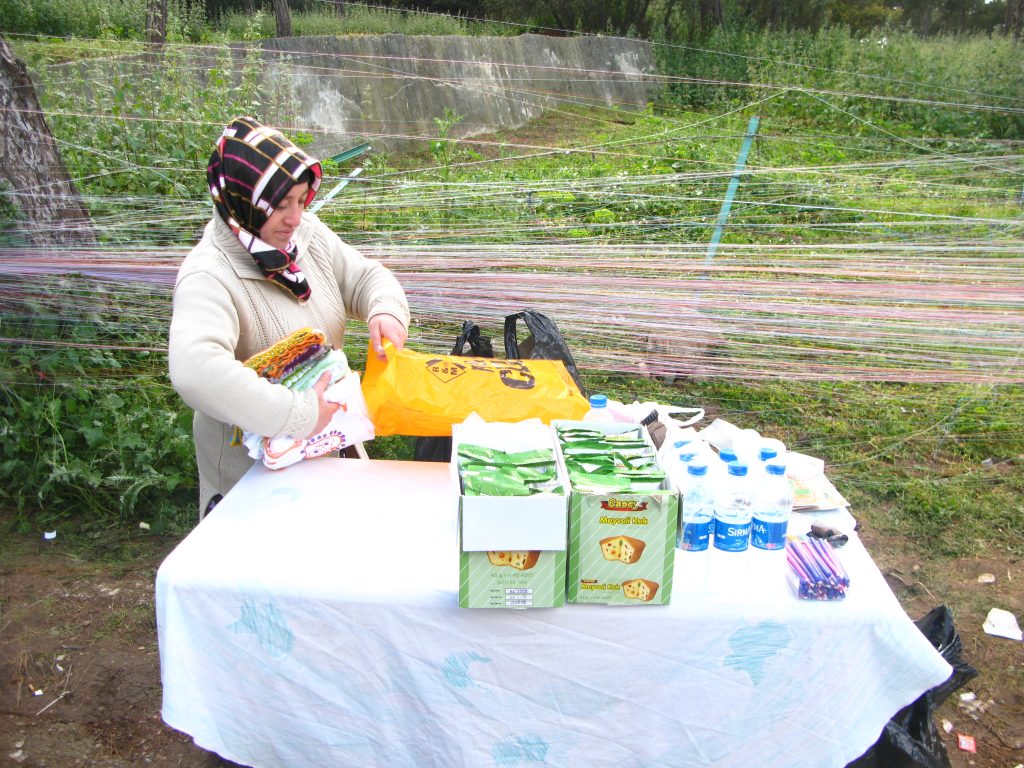
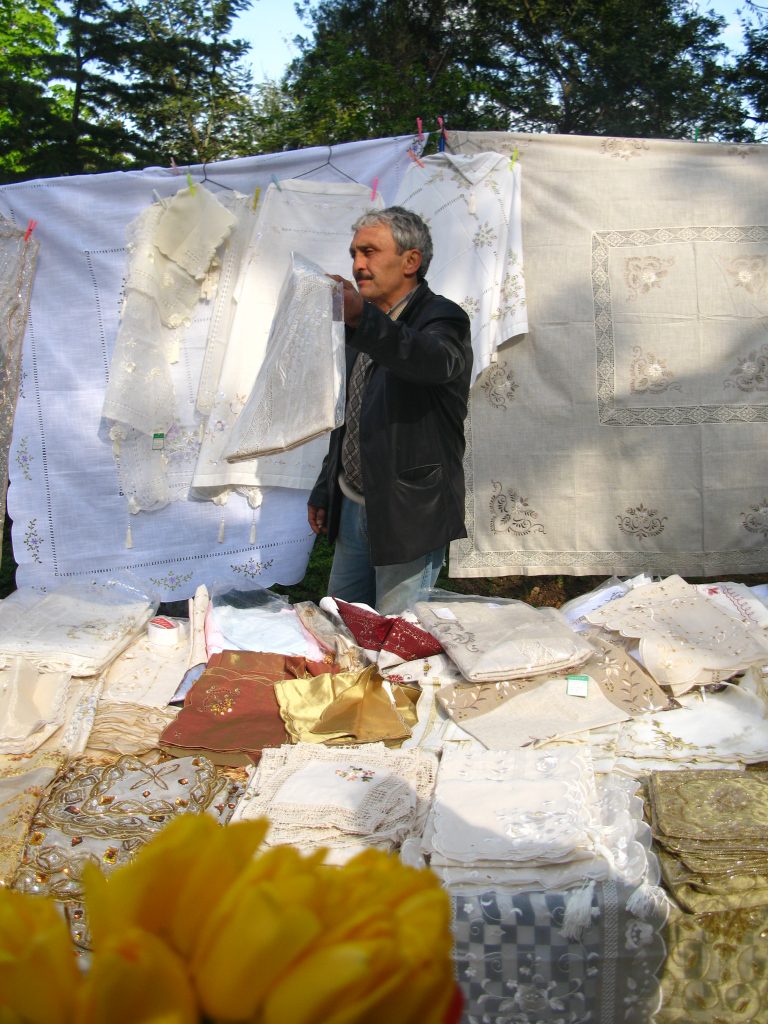
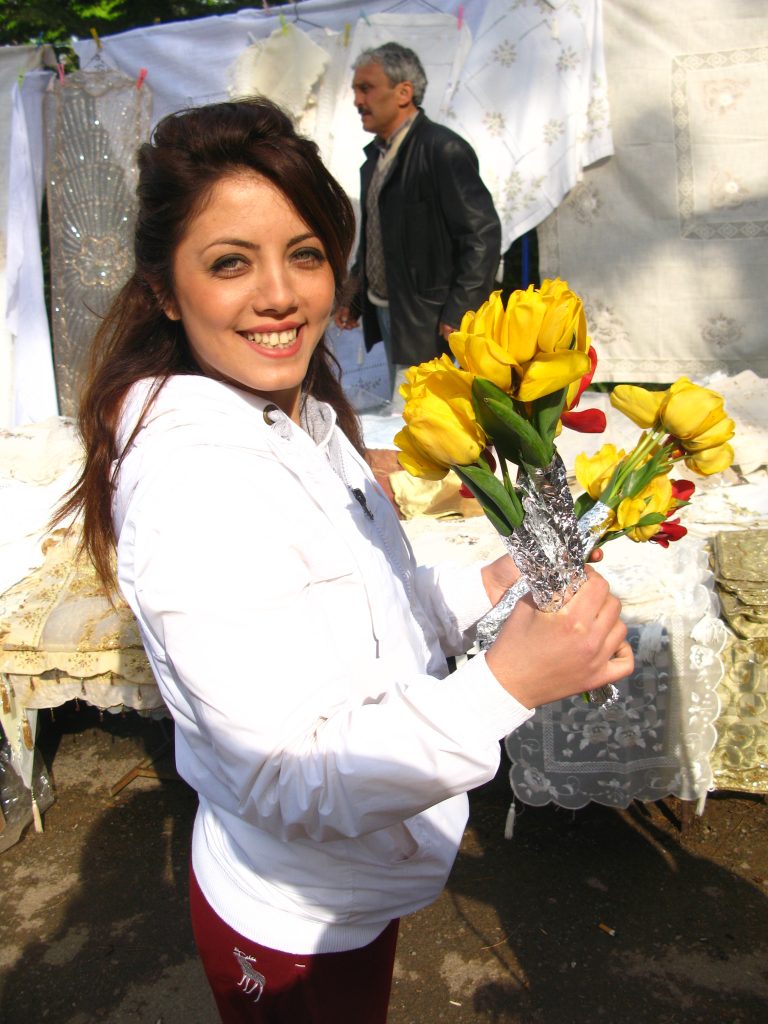
Ai photo in agores
Conceptual Themes for Market Photography
- People and Portraits:
- Vendors at Work: Capture vendors interacting with customers, preparing goods, or arranging their stalls. Focus on their expressions and the details of their craft.
- Customer Interactions: Document the exchanges between buyers and sellers, the bargaining, and the social interactions.
- Portraits of Regulars: Identify and photograph regular market-goers or long-standing vendors, telling their stories through images.
- Colors and Textures:
- Vivid Displays: Highlight the colorful displays of fruits, vegetables, spices, textiles, and other goods. Look for patterns and contrasts.
- Textures: Zoom in on the textures of produce, fabrics, and handcrafted items. Use close-ups to capture the tactile quality of market goods.
- Cultural Elements:
- Traditional Practices: Focus on traditional market practices, attire, and tools used by vendors. Capture rituals or customs specific to the market.
- Local Specialties: Highlight unique products or foods that are specific to the region, showing their preparation, presentation, and sale.
- Market Architecture and Layout:
- Stalls and Structures: Photograph the architecture of the market, from makeshift stalls to permanent structures. Show the layout and how spaces are utilized.
- Overhead Shots: If possible, take overhead shots to capture the bustling activity and organization of the market from a different perspective.
- Details and Close-ups:
- Hands at Work: Capture the hands of vendors as they prepare goods, count money, or interact with customers.
- Signage and Labels: Photograph handwritten signs, price tags, and labels that add character to the market scene.
- Light and Shadow:
- Natural Light: Use natural light to highlight the market atmosphere, whether it’s the soft morning light or the harsher midday sun.
- Silhouettes and Shadows: Experiment with shadows and silhouettes, especially in covered markets or during times when light streams through gaps.
- Motion and Activity:
- Movement: Capture the hustle and bustle of the market, using motion blur to convey activity and energy.
- Daily Rhythm: Document the market at different times of day, showing how the activity and atmosphere change from opening to closing.
Practical Tips for Market Photography
- Respect and Permission: Always ask for permission before photographing people. Be respectful of their space and culture.
- Be Discreet: Use a smaller camera or a lens that allows you to blend in and capture candid moments without being intrusive.
- Engage with Subjects: Build rapport with vendors and customers. Engaging with them can lead to more natural and expressive portraits.
- Observe and Anticipate: Spend time observing the flow and rhythm of the market. Anticipate moments that capture the essence of the place.
- Composition: Pay attention to composition. Use leading lines, frames within frames, and other compositional techniques to create visually interesting photographs.
- Post-Processing: Enhance your photos with post-processing to bring out colors, textures, and details. Maintain a natural look to preserve the authenticity of the scene.
Example Photo Series Ideas
- “Faces of the Market”: A series of portraits featuring a diverse range of market vendors and customers, each with a brief caption or story.
- “Morning to Night”: A time-lapse series showing the market’s transformation throughout the day, capturing different activities and moods.
- “Hands and Craft”: Close-up shots focusing on the hands of vendors as they prepare and sell their goods, highlighting their skill and labor.
- “Colors of Commerce”: A collection of images showcasing the vibrant colors found in the market, from produce to textiles to spices.
By focusing on these themes and tips, you can create a captivating and insightful photographic series that captures the unique spirit and life of markets.
July 1, 2024






June 2, 2024
March 17, 2024

March 14, 2024


March 10, 2024




March 6, 2024


March 2, 2024


February 29, 2024
February 28, 2024
February 26, 2024


February 25, 2024

February 7, 2024







































January 19, 2024
January 10, 2024
January 4, 2024
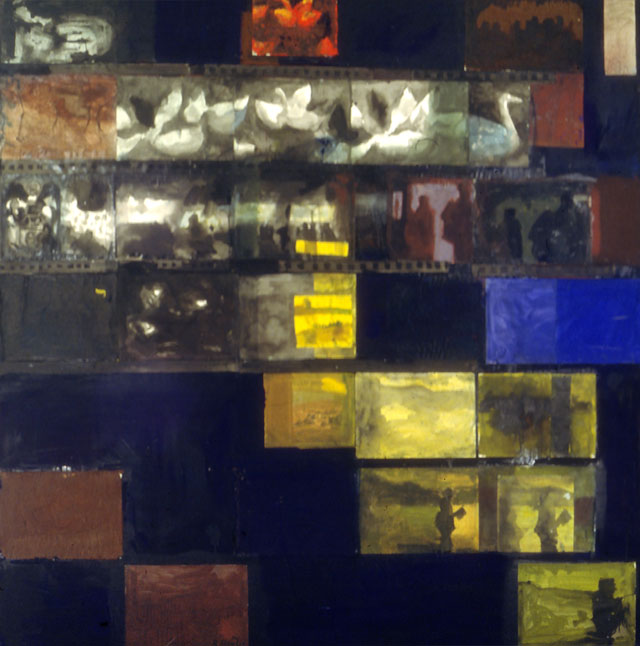
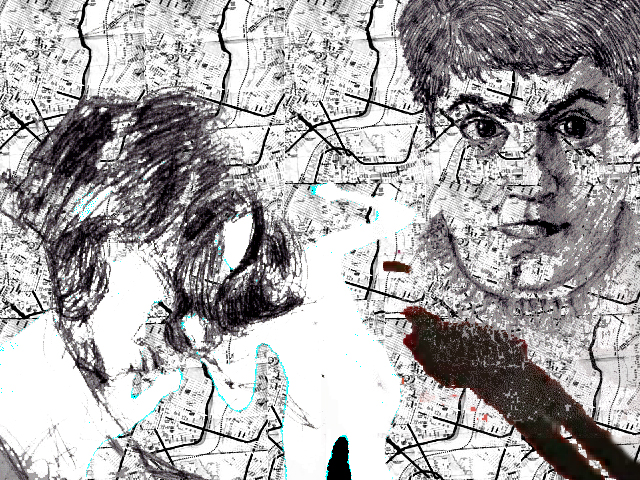
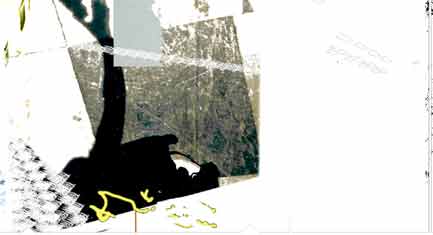
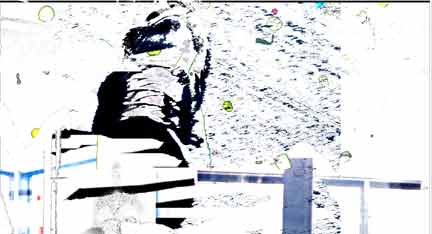
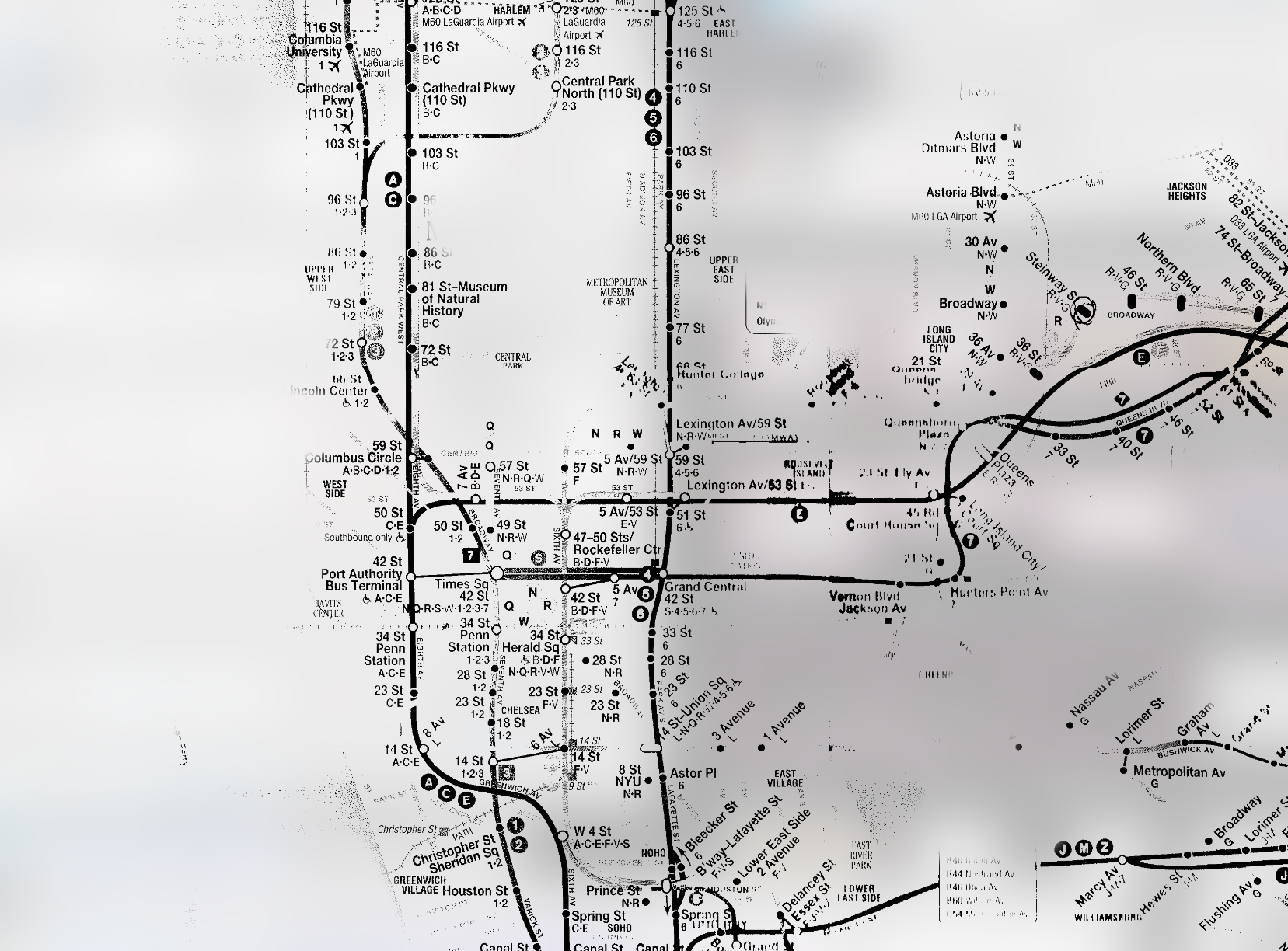
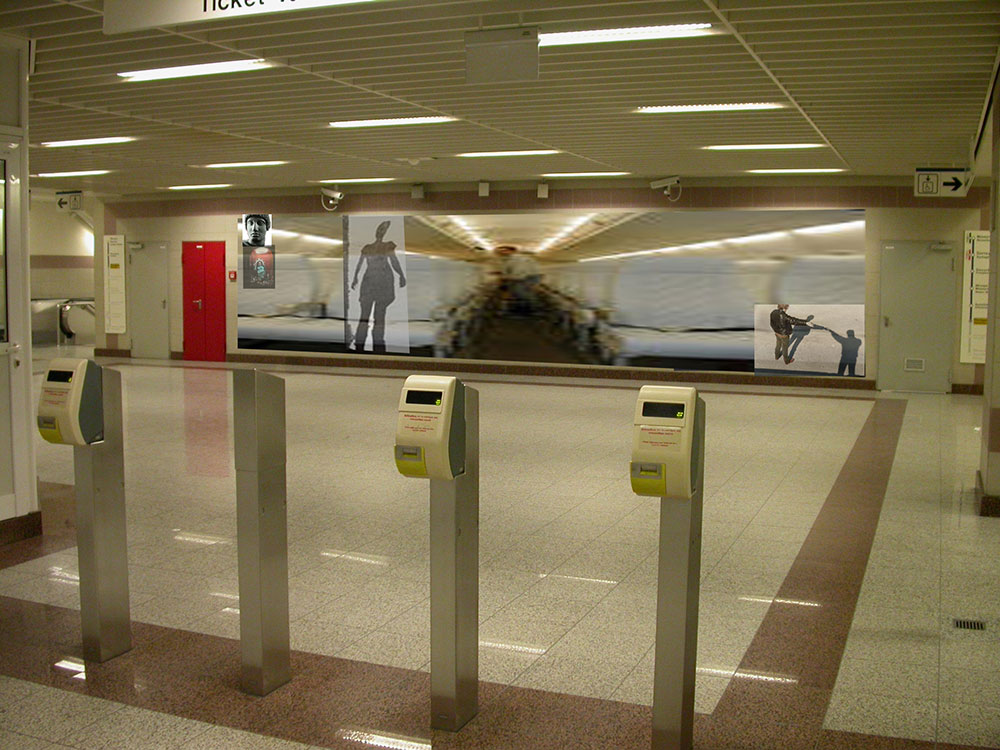
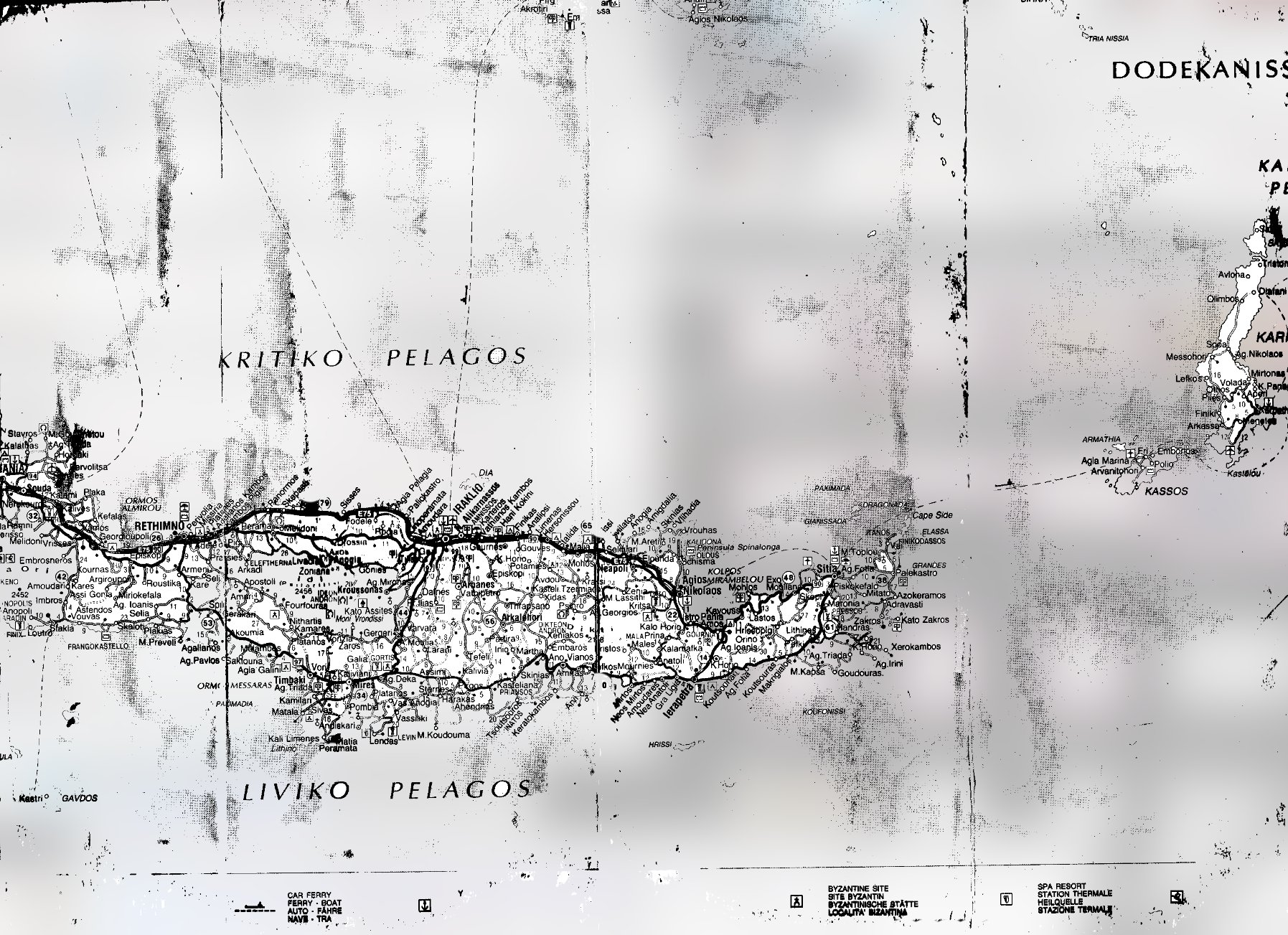
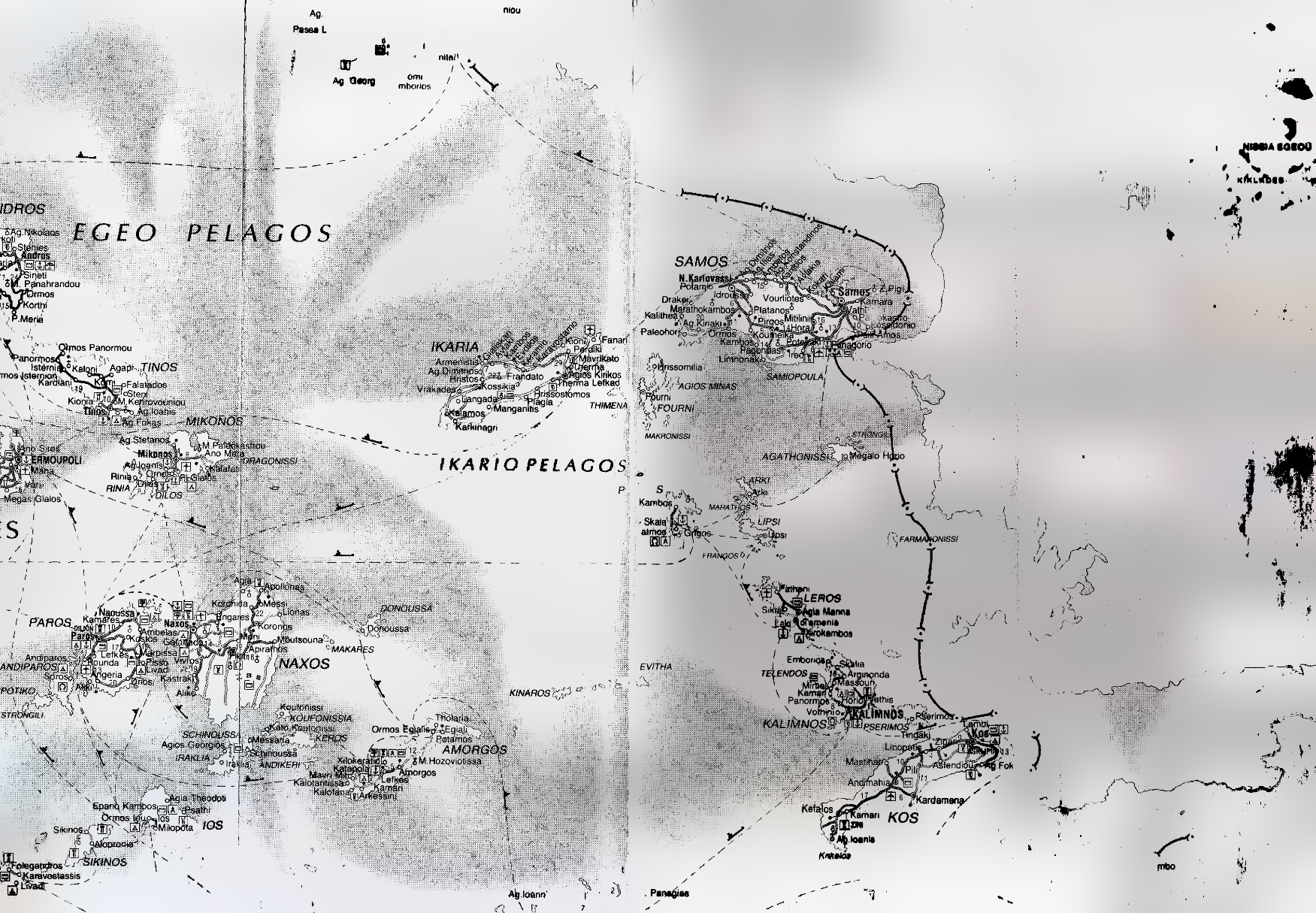
Το 1997 ήταν πολύ αποφασιστικό στην αλλαγή της αντίληψης μέσα από την αλλαγή εκφραστικών εργαλείων και τη χρήση νέων τεχνολογιών.
January 3, 2024

December 31, 2023
December 30, 2023



December 29, 2023
































September 13, 2023


August 31, 2023
August 25, 2023
August 24, 2023
August 8, 2023
Περιεχόμενο
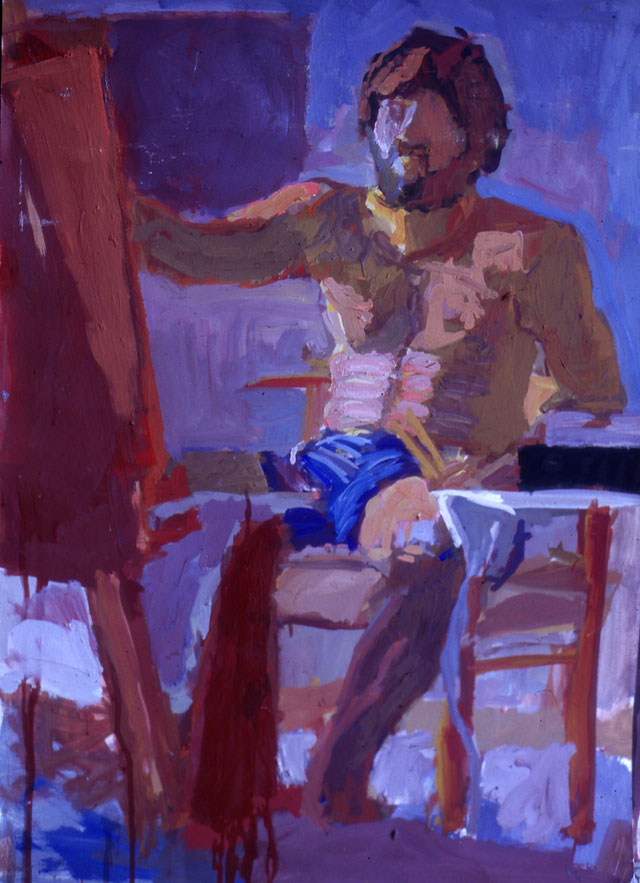
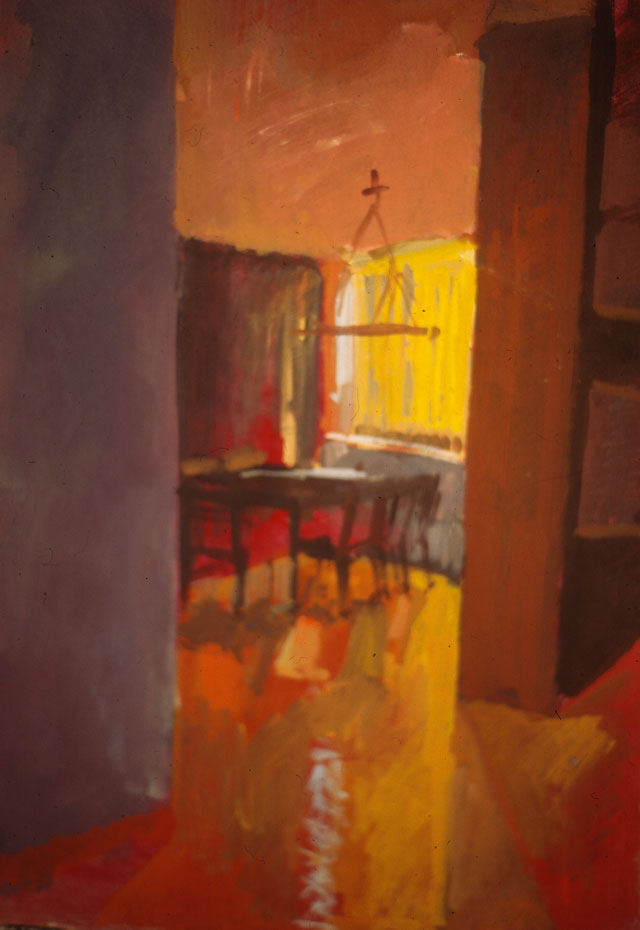
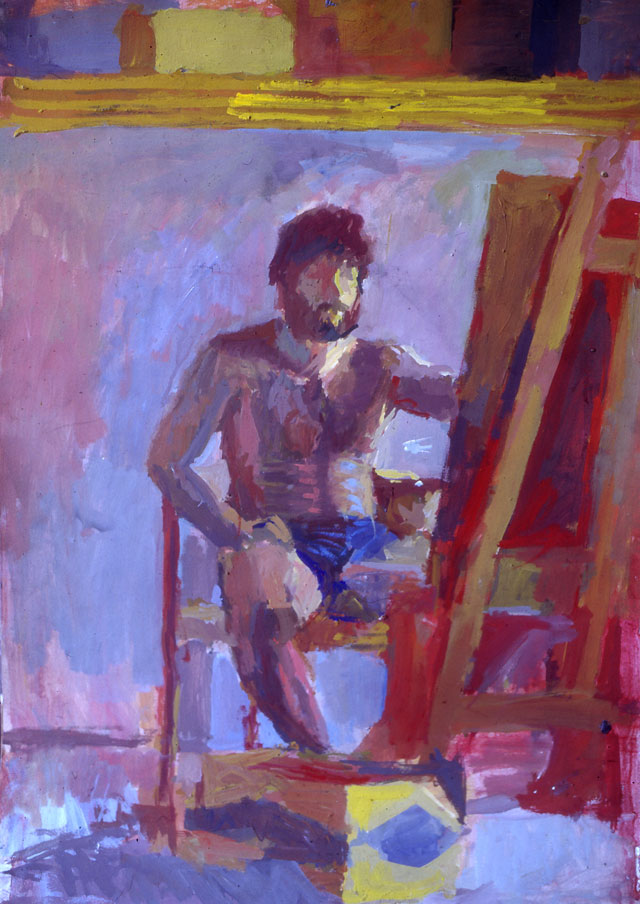
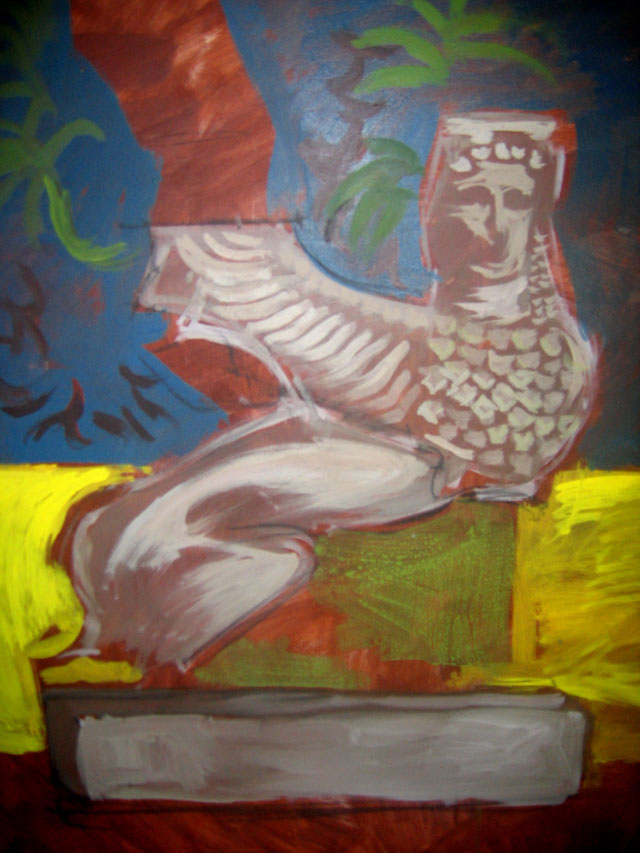
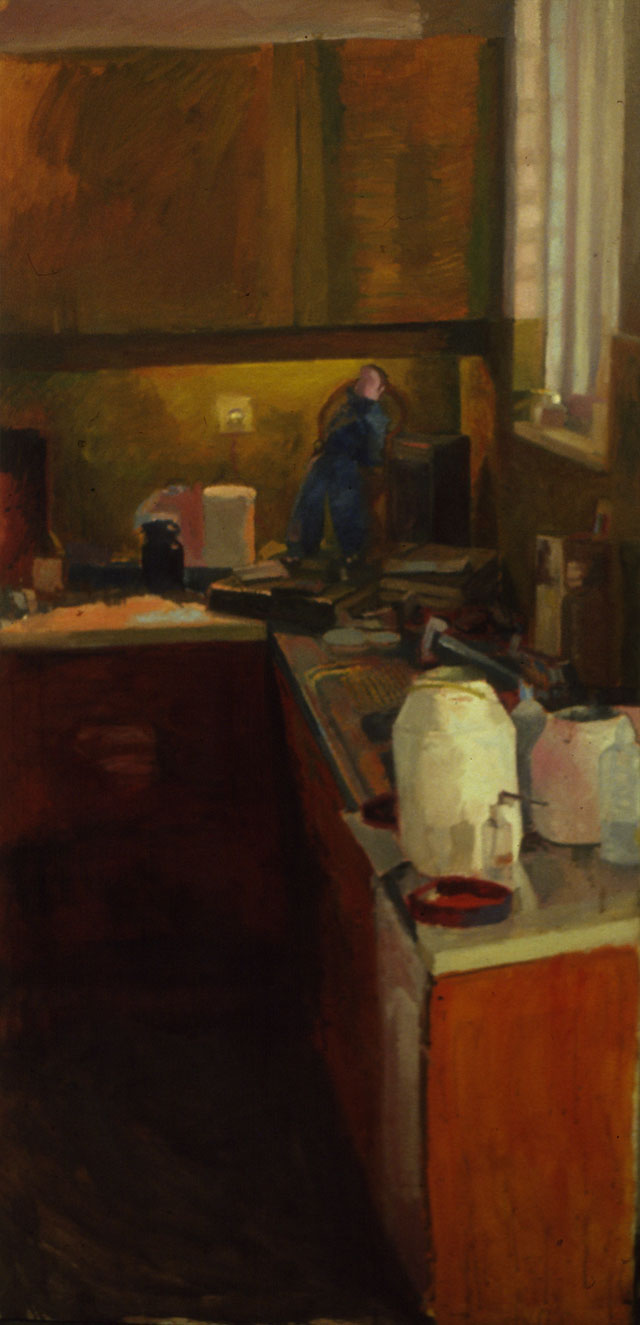
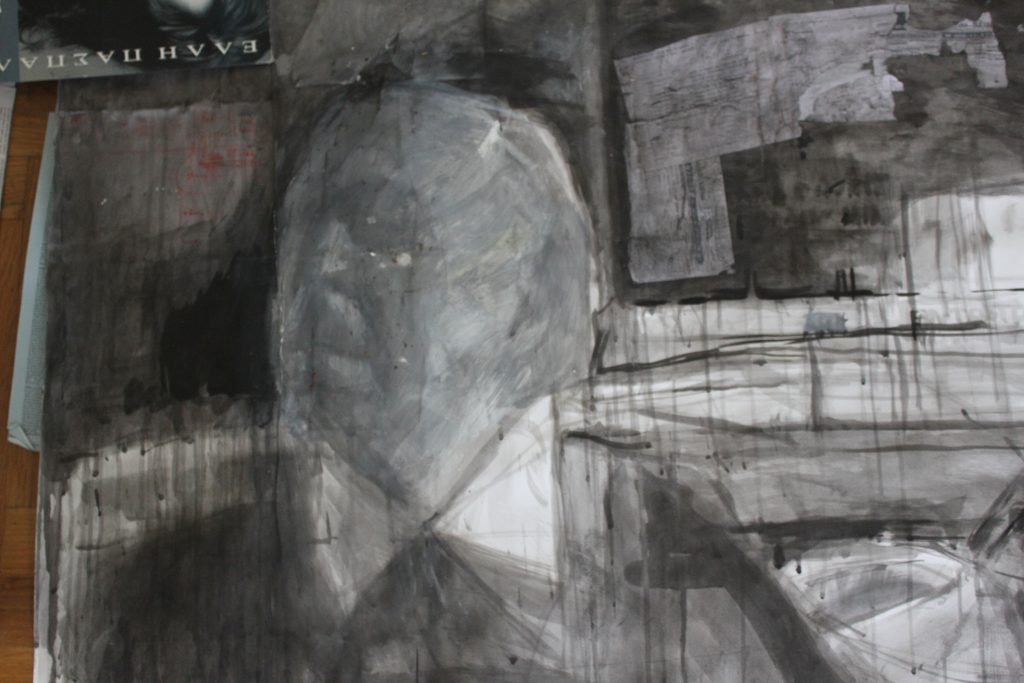
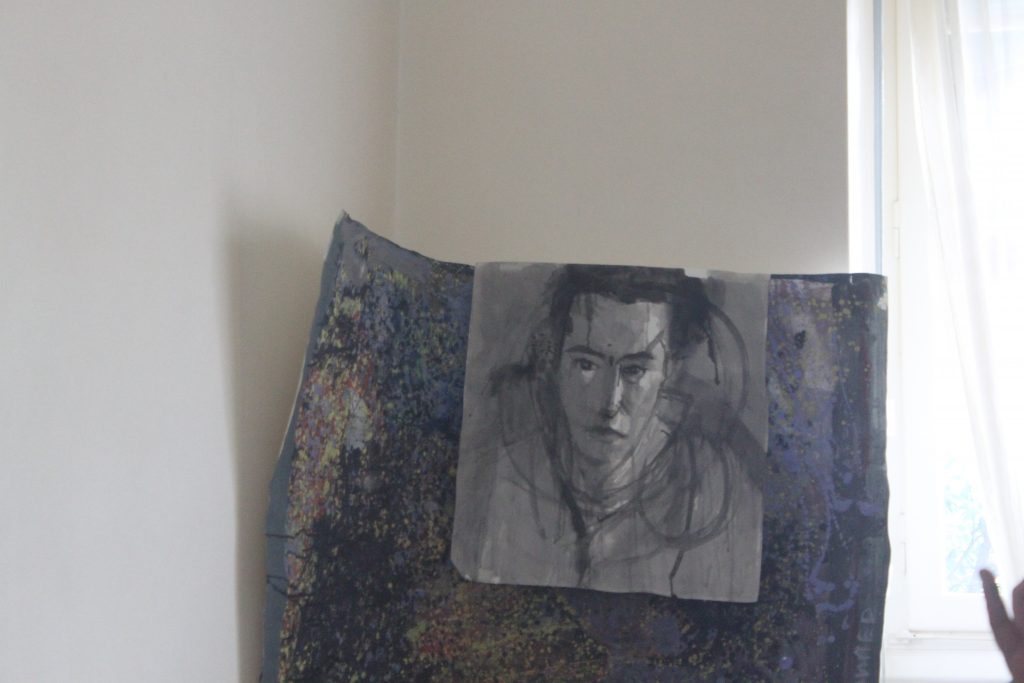
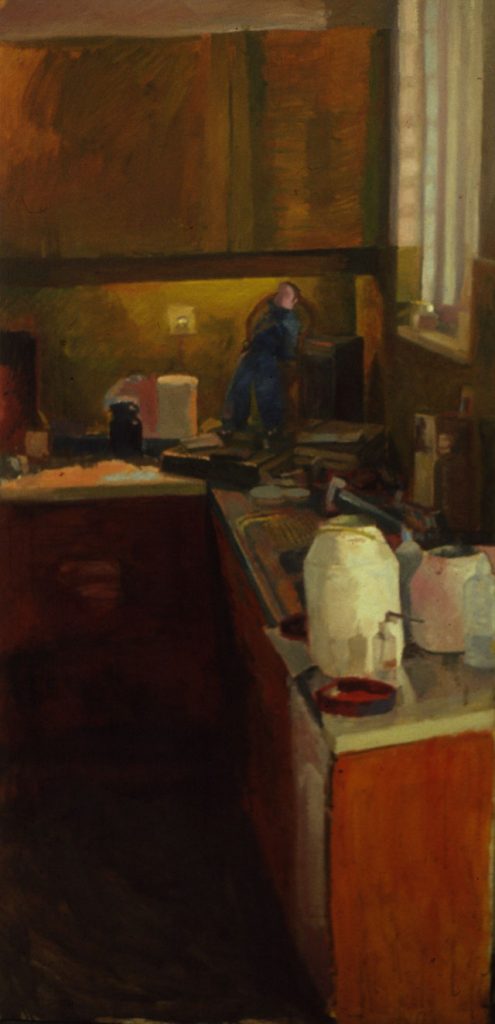
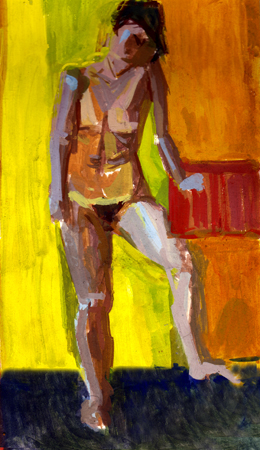
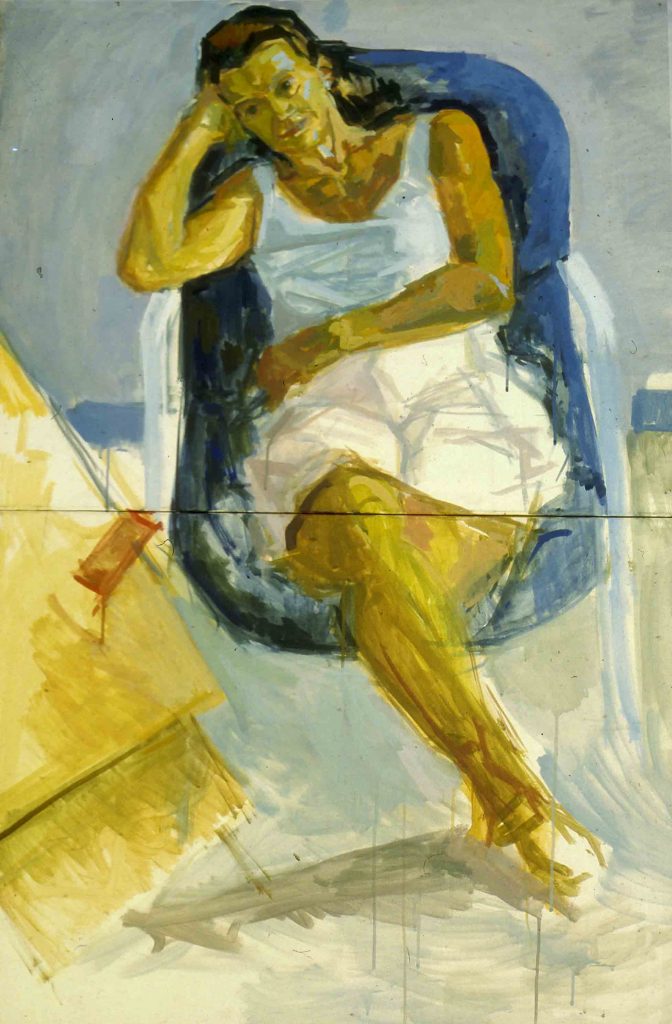
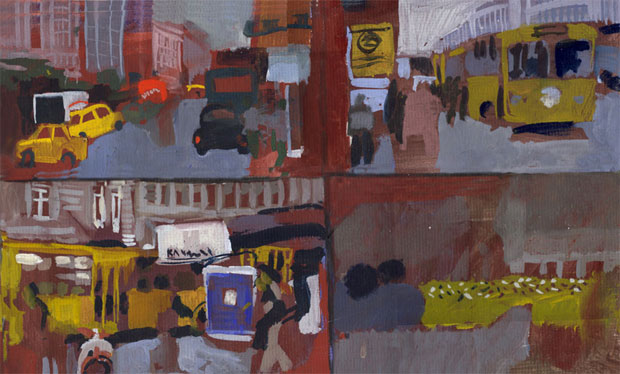
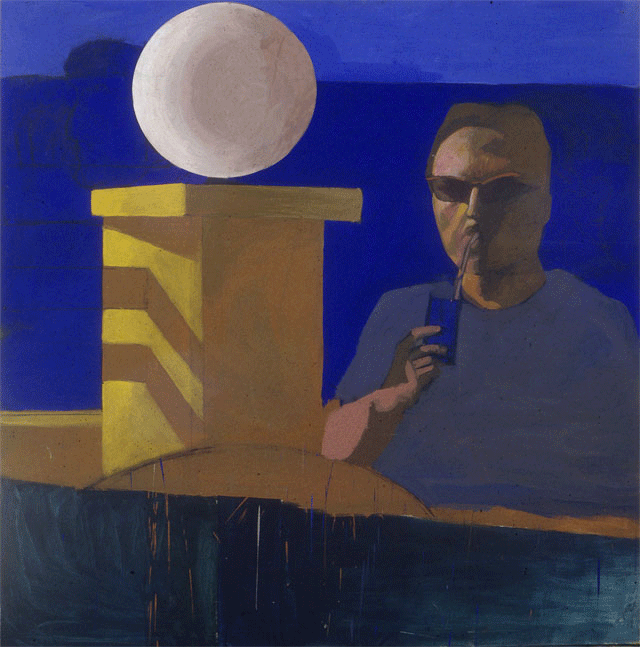
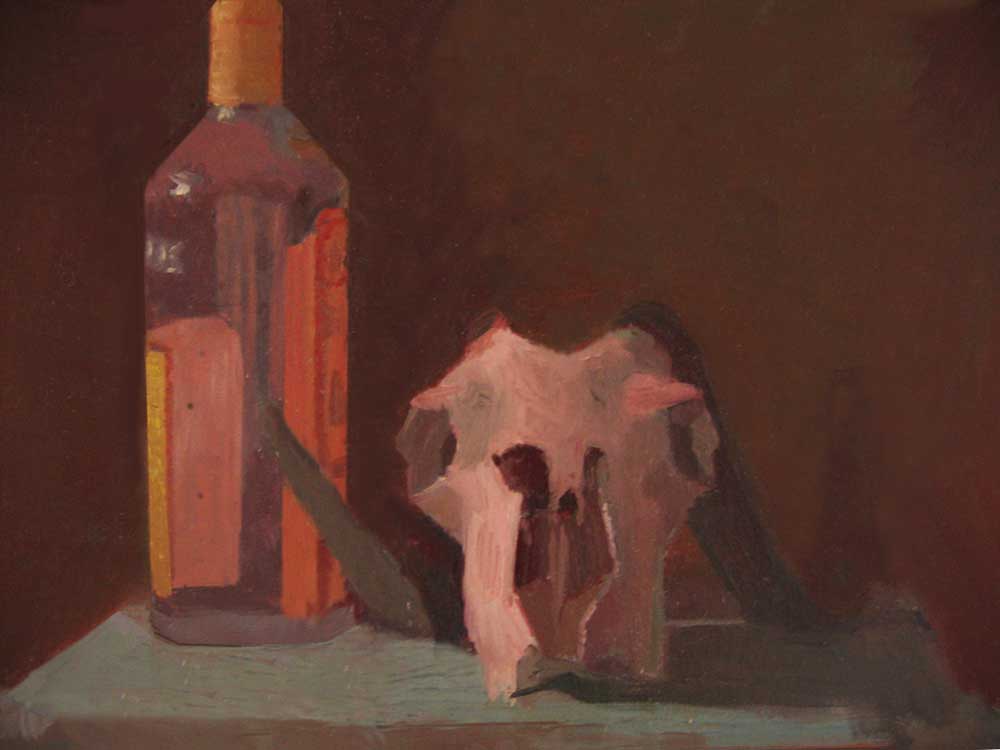
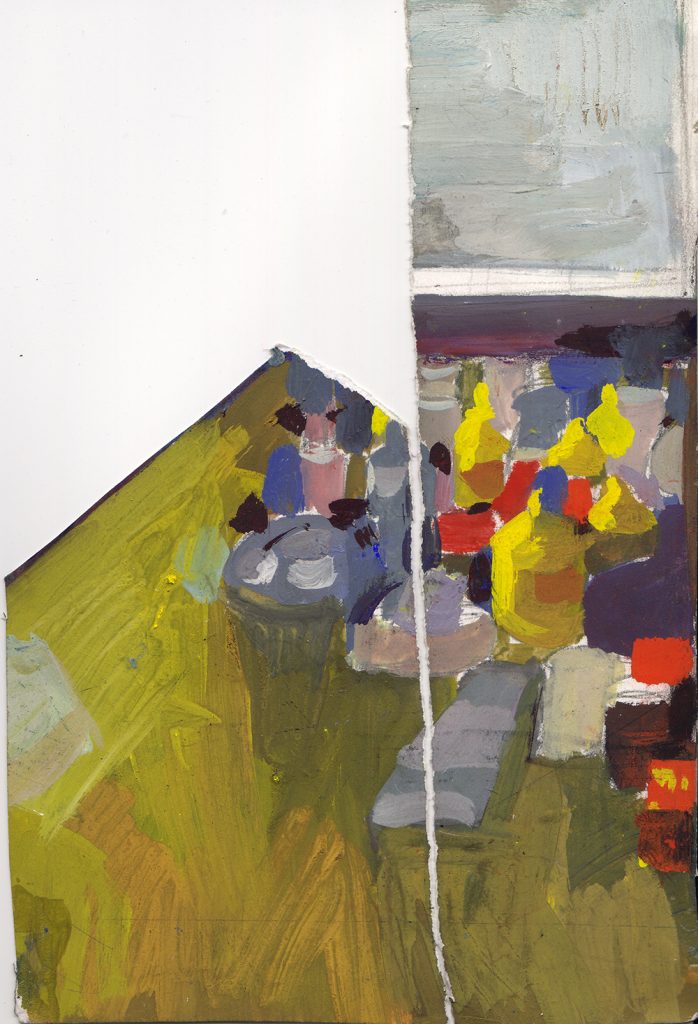
Σχέδια την περίοδο από το 1987 μέχρι και το 1997. Αφορούν την προετοιμασία για την εισαγωγή στη Σχολή Καλών Τεχνών (Α.Σ.Κ.Τ.) καθώς και την αρχική περίοδο των σπουδών στην Α.Σ.Κ.Τ. με κύριο στόχο την αναπαράσταση ασθένεια που κράτησε αρκετά χρόνια πριν και μετά από αυτήν.. Τα σχέδια ναυάγησαν στη συνέχεια με διαφορετικούς τρόπους. Τα σχέδια σε χαρτί έμειναν σε ένα υπόγειο στην Αθήνα. Στο υπόγειο είχε υγρασία και πολλά από τα σχέδια, τα χρώματα και τα κολάζ καταστράφηκαν . Κάποια επίσης τα χάρισα, ενώ άλλα χάθηκαν, και κατέληξα να έχω ελάχιστα ενώ είχα κάνει αρκετά. Τα ελάχιστα αντιπροσωπεύουν το αποτύπωμα της καταστροφής. Έχουν περίεργες μυρωδιές από την καταστροφή την υγρασία και την μούχλα που τα τιμώρησα να υποστούν ….