8 port-8

March 1, 2025

Filed under: amfi-theatros-n-8,Τοπιογραφίες — porto @ 5:30 pm

September 1, 2024

AMFITHEATROS-8

Filed under: amfi-theatros-n-8 — porto @ 12:03 pm

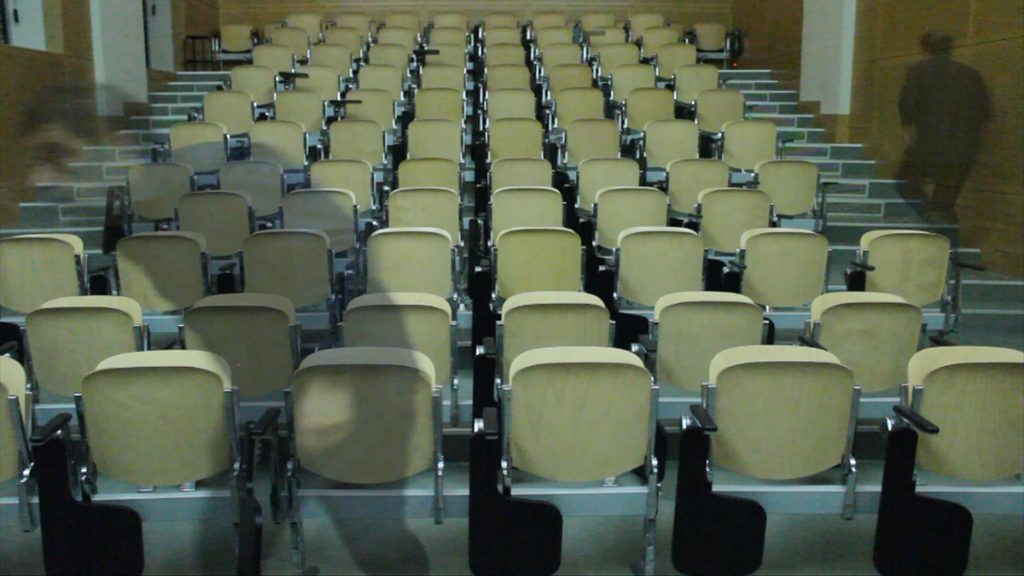
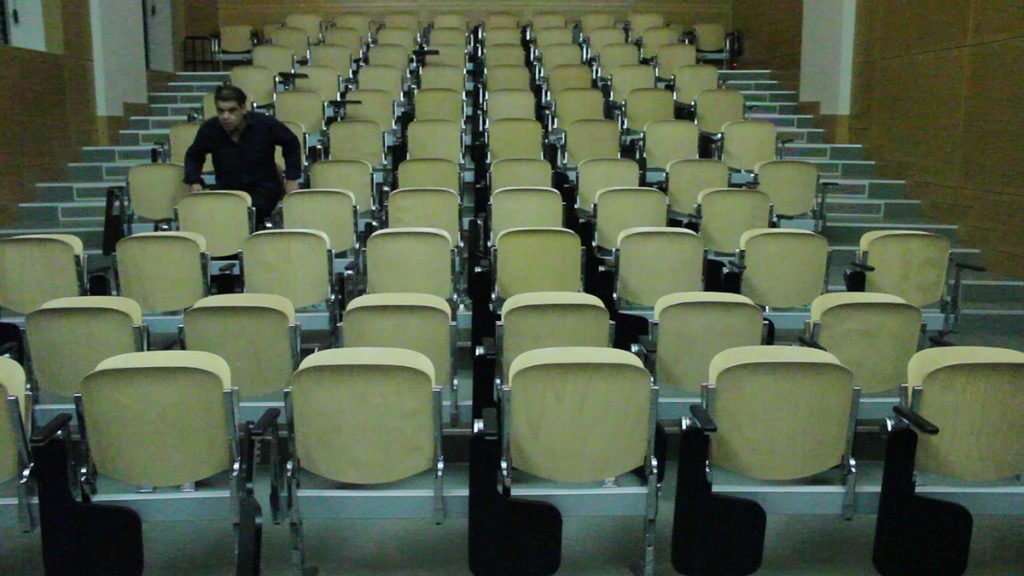
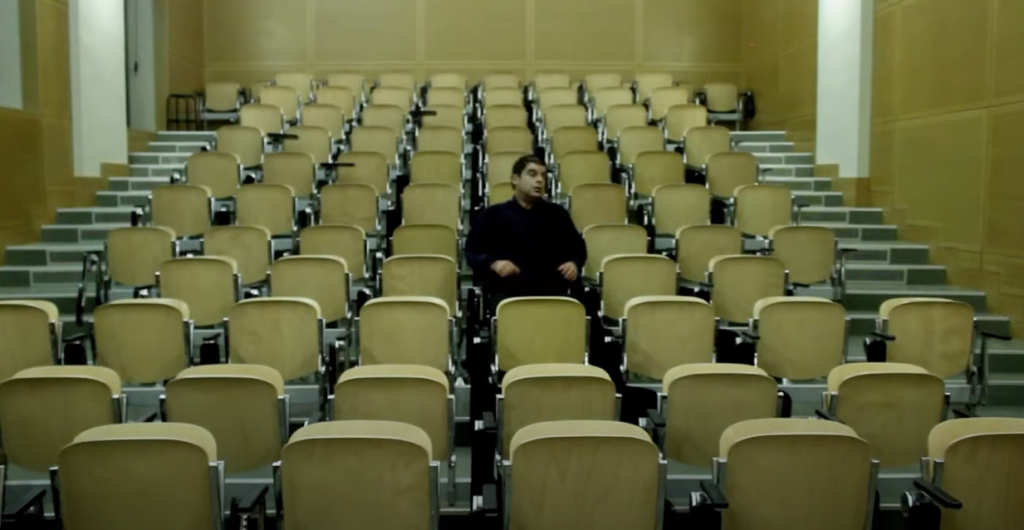
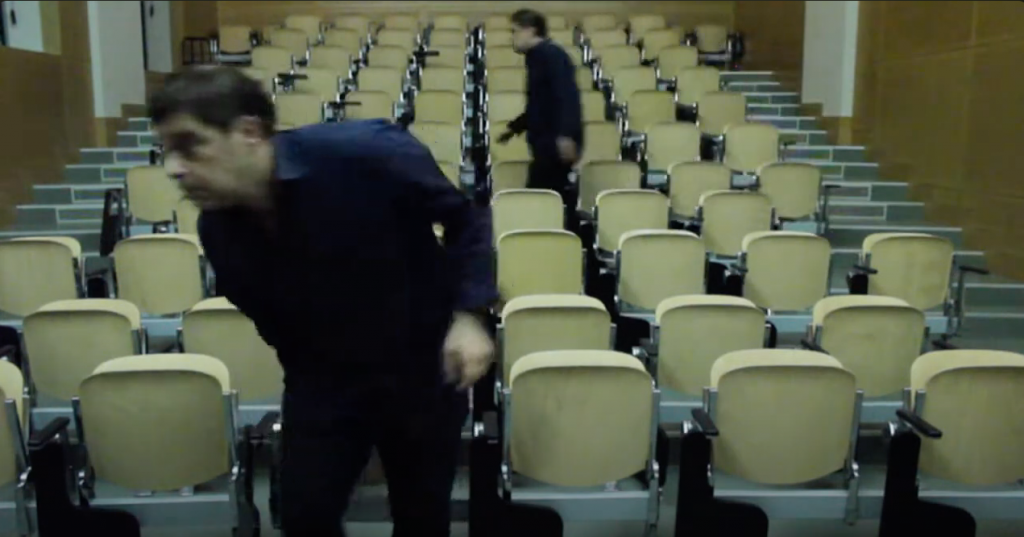
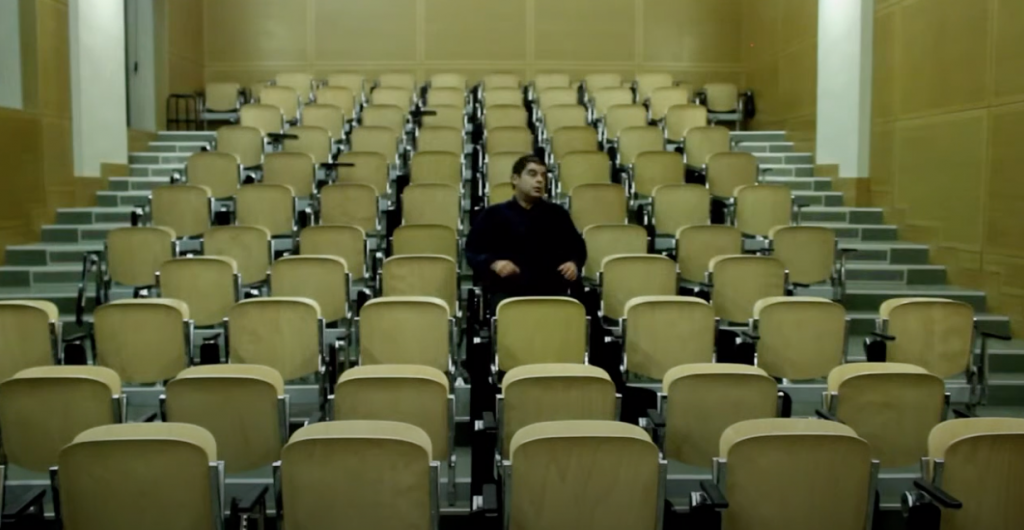
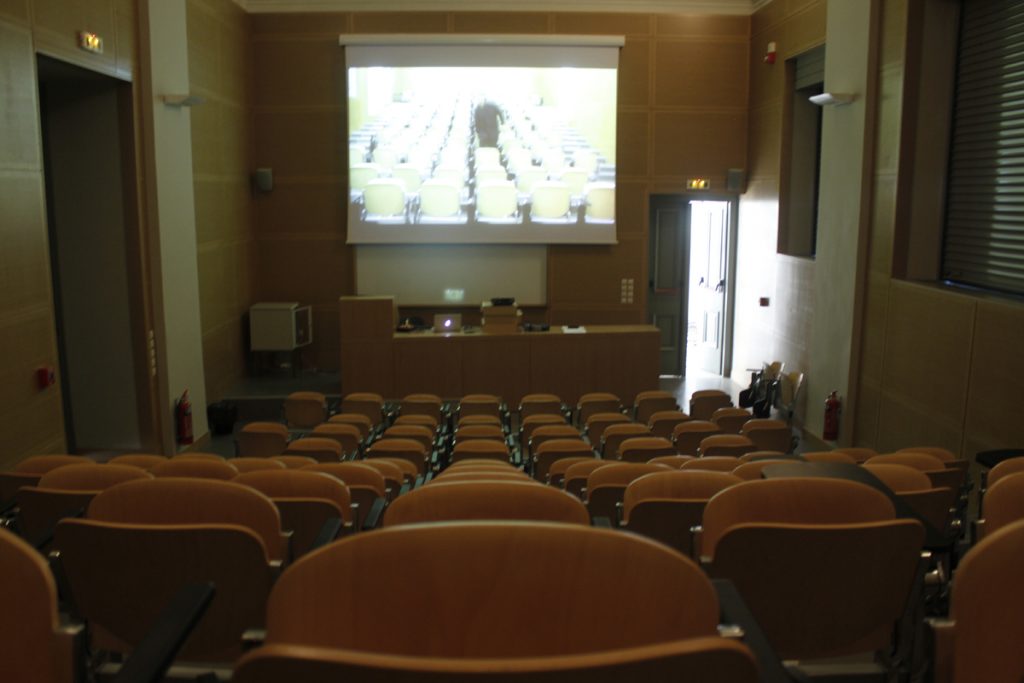
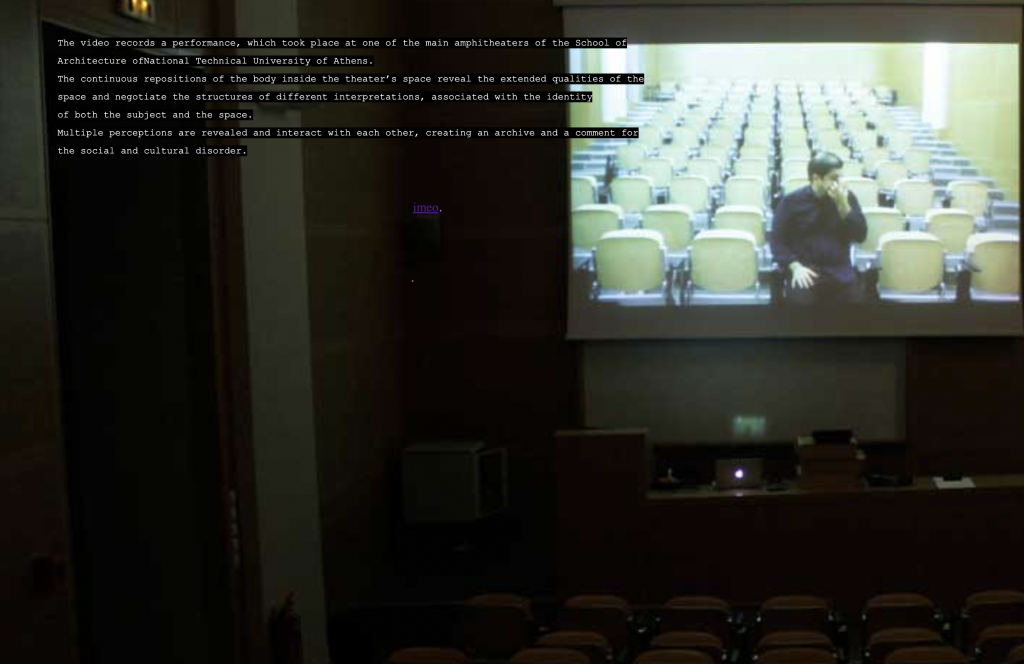
“Amfitheatros 8” is a powerful commentary on the social and cultural forces that shape our identities. It challenges the notion of fixed identities and highlights the importance of authenticity and self-acceptance. Each performance is a unique exploration of a different facet of identity. The title “Amfitheatros 8” itself is a reflection of the infinite possibilities inherent in identity. The number eight, with its looping, continuous form, symbolizes the endless potential for growth, change, and transformation. “Amfitheatros 8” embodies this sense of limitless possibility, offering a dynamic and evolving exploration of what it means to be human, full of surprises, challenges, and endless possibilities.The performances are dynamic, shifting seamlessly between different styles, tones, and narratives, reflecting the ever-changing nature of who we are. This fluidity mirrors our own experiences, where identity can be a source of empowerment, conflict, and discovery all at once.

Το “Amfitheatros 8” ενθαρρύνει τους θεατές να προβληματιστούν σχετικά με τη δική τους ταυτότητα. Καθώς παρακολουθούν τις παραστάσεις, καλούνται να εξετάσουν τις διαφορετικές πτυχές του εαυτού τους που έρχονται στο προσκήνιο σε διάφορα πλαίσια. Πώς παρουσιάζουμε τους εαυτούς μας σε διαφορετικά περιβάλλοντα; Πώς μεταβάλλονται οι ταυτότητές μας ανάλογα με τις μεταβαλλόμενες συνθήκες; Το “Amfitheatros 8” θέτει αυτά τα ερωτήματα, προωθώντας μια βαθύτερη κατανόηση και εκτίμηση της πολυπλοκότητας της ταυτότητας. Δημιουργεί έναν χώρο όπου οι θεατές μπορούν να εξερευνήσουν τις δικές τους ρευστές ταυτότητες.
July 18, 2024

Filed under: amfi-theatros-n-8 — porto @ 6:24 am

July 17, 2024

Filed under: amfi-theatros-n-8 — porto @ 8:19 am

Filed under: amfi-theatros-n-8 — porto @ 7:04 am

Filed under: amfi-theatros-n-8,Τοπιογραφίες — porto @ 7:00 am

Filed under: amfi-theatros-n-8 — porto @ 6:31 am

August 7, 2014

links

Filed under: amfi-theatros-n-8 — porto @ 7:39 am

http://vasileiosbouzas.artroom7.com/amfitheatros/

April 3, 2013

2013, Amfitheatros, School of Architecture of Athens

August 1, 2004

Filed under: amfi-theatros-n-8,amfitheatros-g (2001) — porto @ 2:22 am

Body and window associations in the arts can be understood through various lenses, including symbolism, metaphor, and the physical relationship between the human body and architectural elements. Here are some interpretations and contexts in which these associations are explored:

Symbolism and Metaphor

  1. Windows as Eyes:
    • Symbolism: In literature, visual arts, and film, windows are often likened to eyes, suggesting vision, insight, or a perspective into another world.
    • Example: In paintings, the window can symbolize the artist’s vision or the viewer’s gaze into the depicted scene.
  2. Body as a House:
    • Metaphor: The human body is often compared to a house or structure, where windows could represent the senses or the soul’s openings to the outer world.
    • Example: In poetry, a window might represent the mind’s ability to perceive and reflect on external realities.

Physical and Architectural Relationships

  1. Performance Art:
    • Use of Space: Performance artists often use windows as integral parts of their work, creating a dynamic interplay between the interior (body) and exterior (environment).
    • Example: An artist might perform in front of, behind, or through a window to explore themes of visibility, vulnerability, and separation.
  2. Dance:
    • Choreography and Space: Dancers may use windows as part of their performance space, emphasizing the connection between the body and the architectural environment.
    • Example: A dance piece might be staged with dancers moving in and out of windows, symbolizing freedom, confinement, or transition.

Visual Arts

  1. Painting and Photography:
    • Compositional Elements: Windows in visual art can frame the human body, creating a dialogue between the subject and their environment.
    • Example: Renaissance paintings often use windows to create depth and perspective, placing the human figure in a spatial context that suggests both physical and metaphysical dimensions.
  2. Installation Art:
    • Interactive Spaces: Installations might incorporate windows to engage viewers in a physical and sensory experience, merging the body with the space.
    • Example: An installation with mirrors and windows can create reflections and distortions, prompting viewers to reconsider their own presence and perspective.

Literature and Film

  1. Narrative Devices:
    • Plot and Symbolism: Windows in literature and film often serve as devices for characters to observe, escape, or interact with the outside world, reflecting internal states or narrative transitions.
    • Example: In films, a character looking through a window might signify longing, isolation, or a pivotal moment of change.
  2. Character Development:
    • Inner and Outer Worlds: Windows can highlight the contrast or connection between a character’s internal experiences and external realities.
    • Example: In novels, descriptive passages about a character at a window can reveal their inner thoughts and emotional state, juxtaposed with the outside view.

Historical and Cultural Contexts

  1. Architectural Symbolism:
    • Cultural Significance: Different cultures imbue windows with various symbolic meanings, influencing how the body and window relationship is portrayed in the arts.
    • Example: In Gothic architecture, stained glass windows depict religious stories, merging the physical presence of the viewer with spiritual narratives.
  2. Rituals and Practices:
    • Body and Space Interaction: Traditional rituals might use windows in specific ways, reflecting cultural beliefs about space, light, and the human body.
    • Example: In some cultures, windows are opened during certain ceremonies to allow spirits to enter or exit, symbolizing the body’s connection to the spiritual realm.

Contemporary Interpretations

  1. Digital and Media Arts:
    • Virtual Windows: In digital arts, screens and virtual windows create new dimensions for exploring the body and space, expanding the traditional concept of a window.
    • Example: Interactive installations using augmented reality might simulate windows through which viewers can experience altered realities, blending physical presence with digital environments.
  2. Architectural Design:
    • Modern Architecture: Contemporary architecture often incorporates large, transparent windows, emphasizing openness and interaction between the body and the environment.
    • Example: Buildings with floor-to-ceiling windows create a seamless flow between indoor and outdoor spaces, influencing how inhabitants perceive and inhabit these spaces.

These associations between body and window in the arts reflect a rich interplay of physical, symbolic, and metaphorical elements, offering diverse perspectives on human experience and expression.

Powered by WordPress

error: Content is protected !!