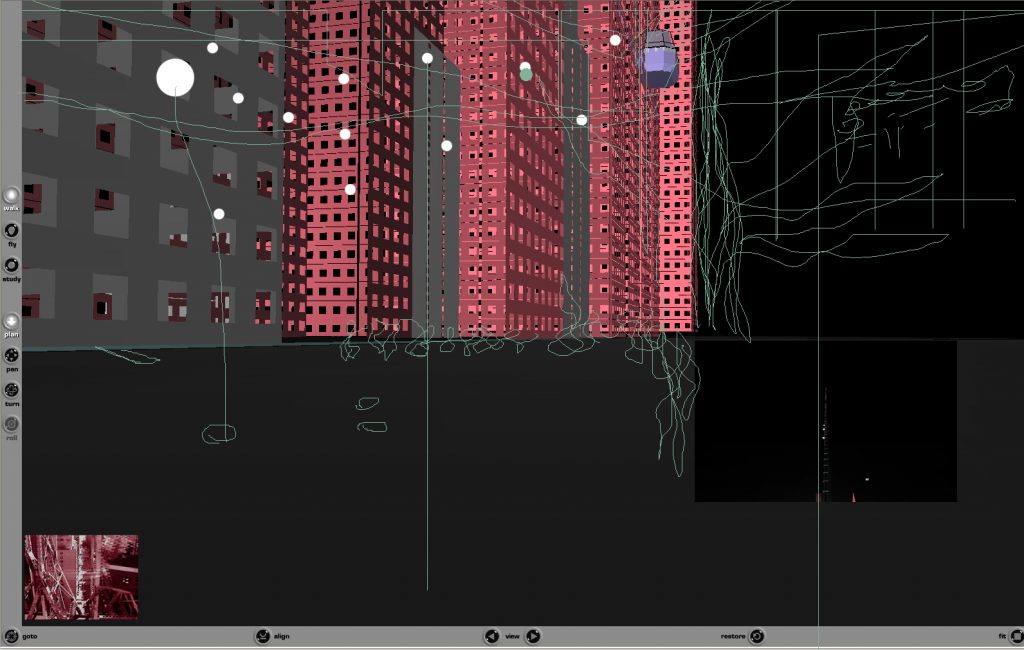
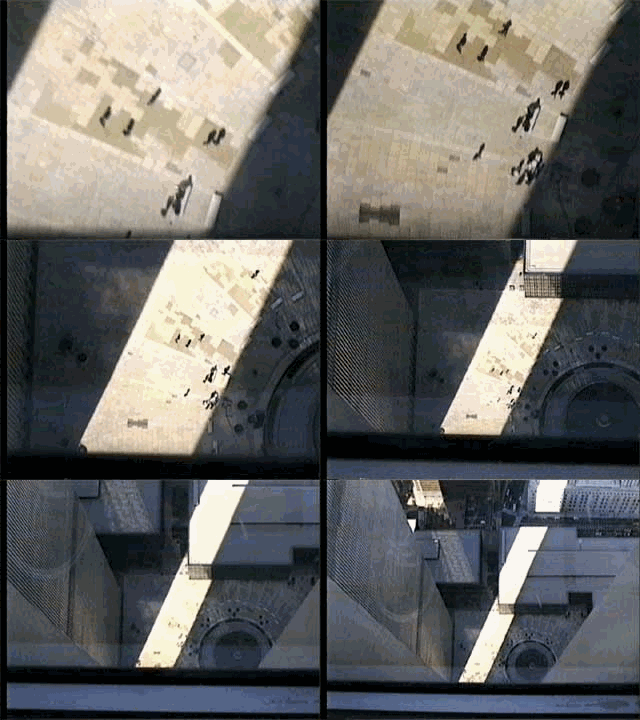
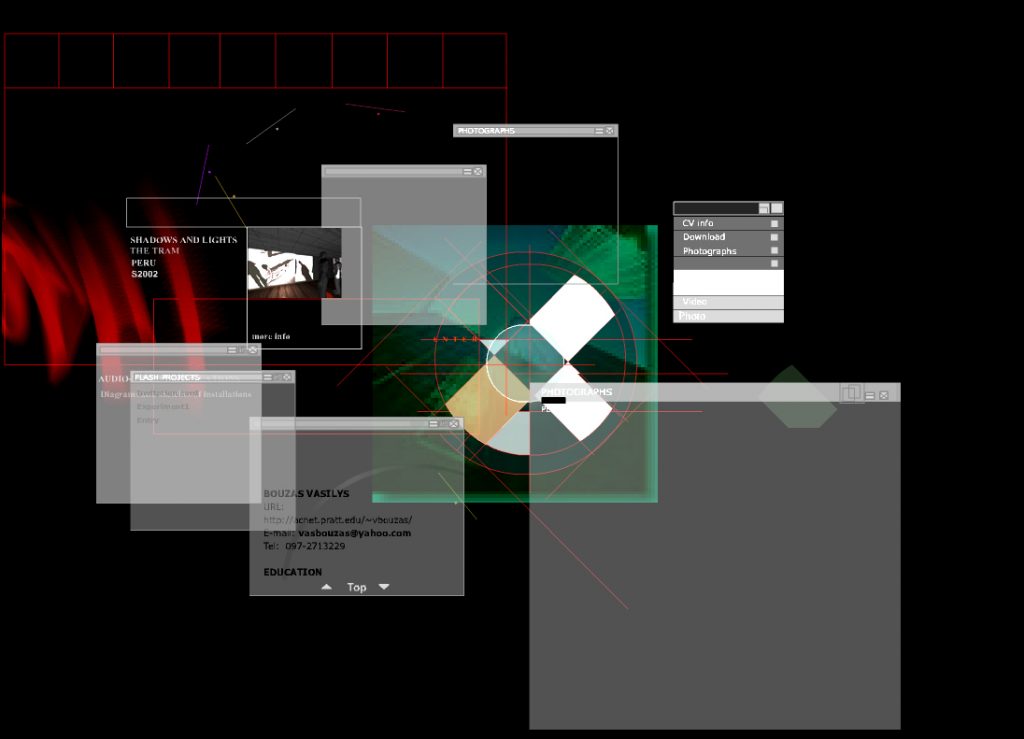
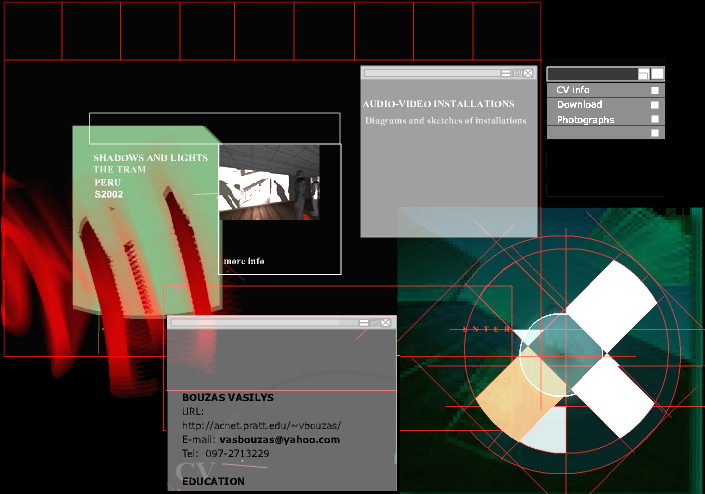
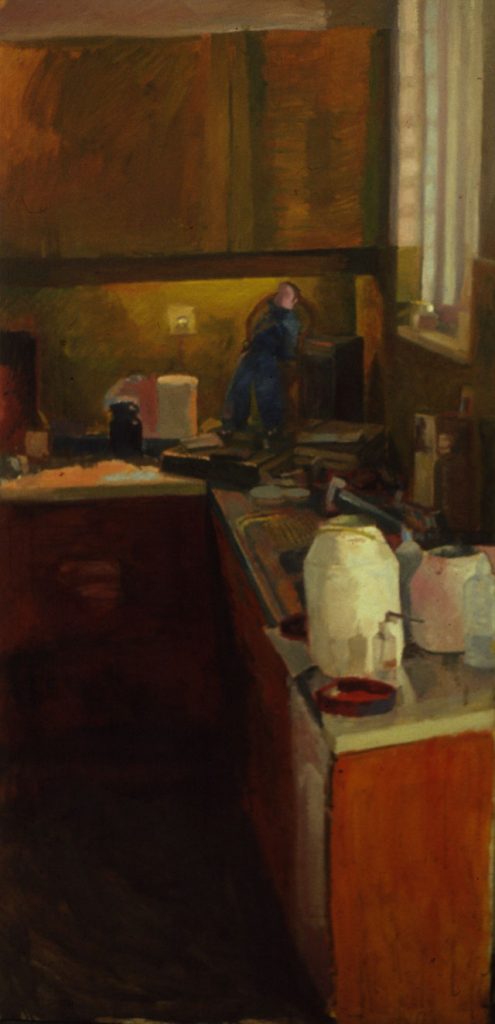
“https://porto.artroom7.com/category/a/amfi-theatros-n-8 ” “https://porto.artroom7.com/category/a/amfit-meteoro” “https://porto.artroom7.com/category/a/amfitheatro-rele ” “https://porto.artroom7.com/category/a/amfitheatros-g“
December 7, 2025
August 1, 2025
July 31, 2025
temporar
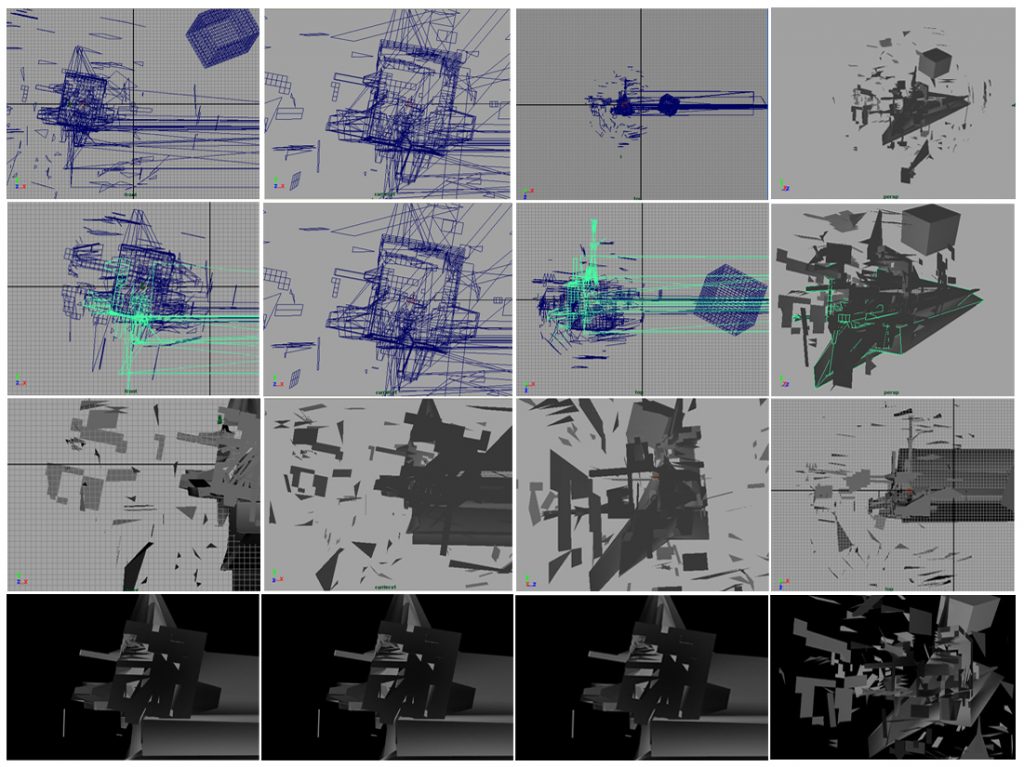
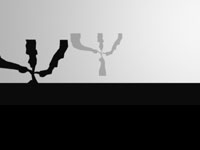
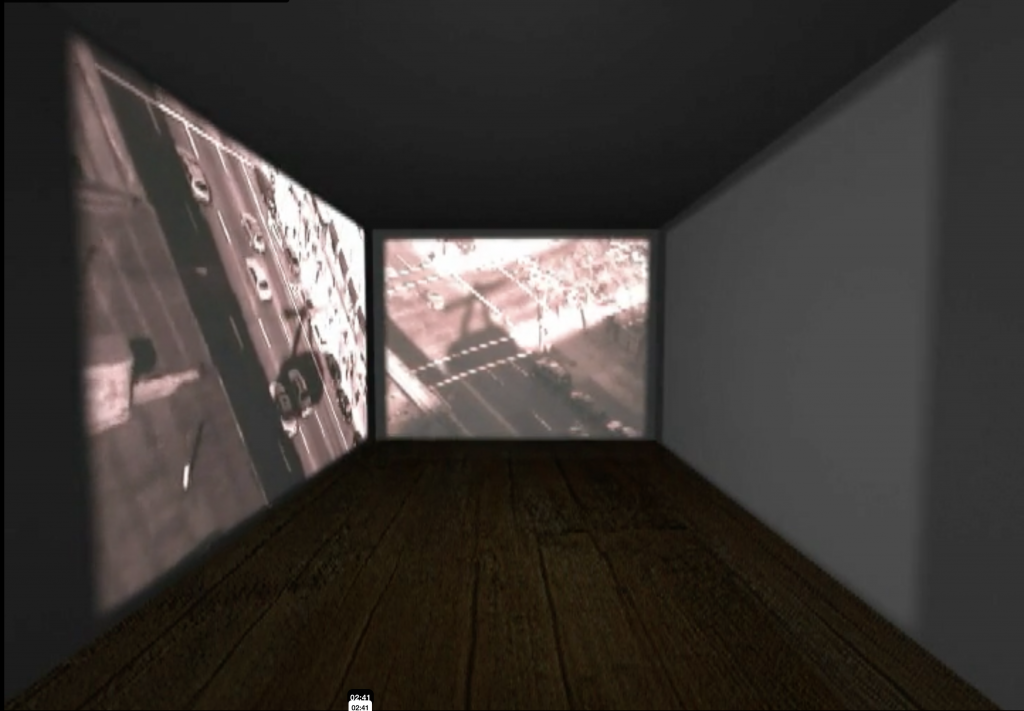
These pieces explore the fluid boundary between stillness and motion, where images are not simply animated but transformed into living entities. The works treat animation not just as a technique but as a process of breathing life into visual fragments, allowing them to unfold in time and space. Each composition tests the tension between the static image and its potential to move, questioning where perception ends and imagination begins. Through layering, rhythm, and shifting perspectives, the material invites the viewer into a dialogue with movement itself – not as spectacle, but as a subtle reconstruction of memory and presence.
Αυτά τα έργα διερευνούν το ρευστό όριο ανάμεσα στη στατικότητα και την κίνηση, όπου οι εικόνες δεν «ανιματίζονται» απλώς αλλά μεταμορφώνονται σε ζωντανές οντότητες. Το animation δεν αντιμετωπίζεται μόνο ως τεχνική, αλλά ως διαδικασία που εμφυσά ζωή σε οπτικά θραύσματα, επιτρέποντάς τους να ξεδιπλωθούν στον χώρο και στον χρόνο. Κάθε σύνθεση δοκιμάζει την ένταση ανάμεσα στη στατική εικόνα και τη δυνατότητά της να κινηθεί, θέτοντας ερωτήματα για το πού τελειώνει η αντίληψη και πού αρχίζει η φαντασία. Μέσα από στρώσεις, ρυθμούς και μεταβαλλόμενες προοπτικές, το υλικό καλεί τον θεατή σε έναν διάλογο με την ίδια την κίνηση – όχι ως θέαμα, αλλά ως λεπτή ανασύνθεση μνήμης και παρουσίας.
July 7, 2025
June 8, 2025
Handel’s III. Air (Lento) is a moment of solemn beauty—perfectly balanced, harmonically rich, with an inner calm that stands apart in this emotionally varied concerto.
May 22, 2025
April 23, 2025
April 1, 2025
tapping των ιερών αντικειμένων
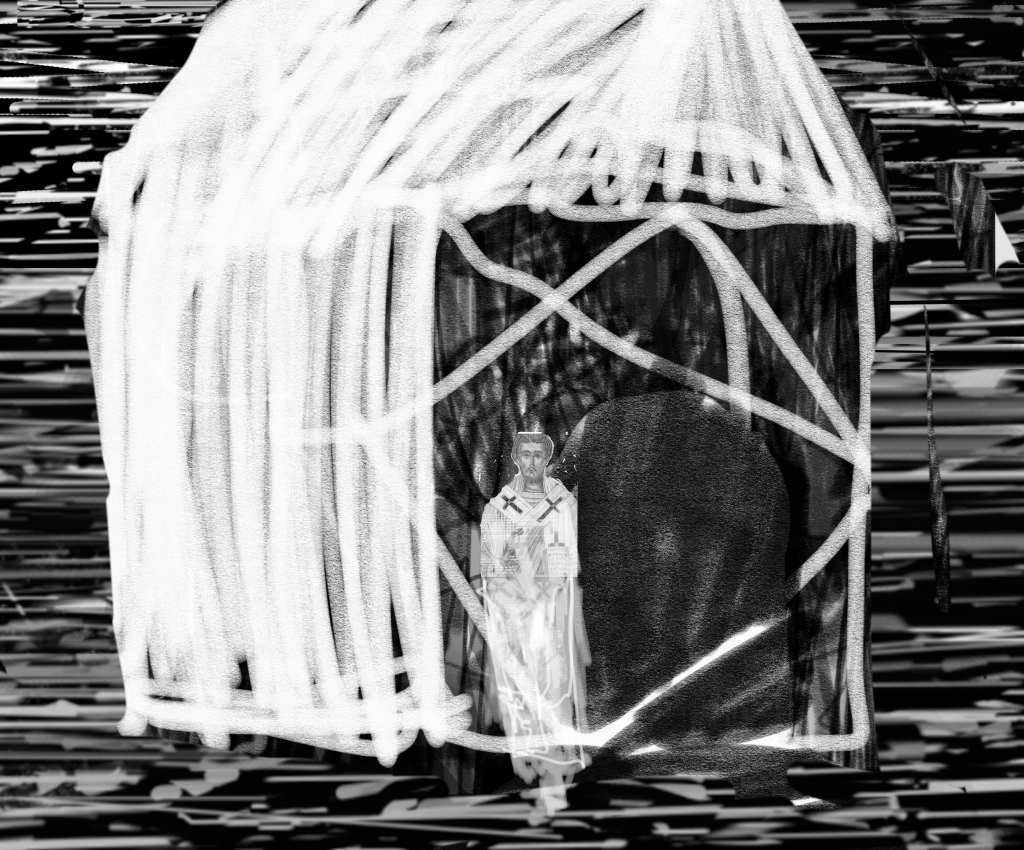
Το εικονοστάσι είναι παραδοσιακά σύμβολο πίστης, προστασίας και σύνδεσης με το άυλο. Στο βίντεο, το ρυθμικό χτύπημα του χεριού μου πάνω στο εικονοστάσι λειτουργεί ως μια σωματική πράξη αφύπνισης, ανάκλησης και ενεργειακής μετάδοσης. Όπως το Emotional Freedom Techniques απελευθερώνει συναισθήματα μέσω επαφής σε σημεία ενέργειας πάνω στο σώμα, έτσι και το χτύπημα σε επιλεγμένα κατρευτικά αντικείμενα όπως το εικονοστάσι μοιάζει με πράξη επίκλησης, μεταμόρφωσης ή εξομολόγησης. Tο χτύπημα πάνω στα ιερά αντικείμενα λειτουργεί ως τελετουργικό tapping. Η ρυθμικότητα παραπέμπει στο σφυγμό, στο χρόνο και στη θεραπευτική επανάληψη που χαρακτηρίζει και το EFT σε μια προσπάθεια επανασύνδεσης με το άυλο, με την προσωπική και συλλογική μνήμη, με την ανάγκη για ίαση. Το εικονοστάσι δεν είναι απλώς ένα αντικείμενο πίστης – είναι ένα εδώ δοχείο ενέργειας, όπου κάθε χτύπημα αντηχεί σαν επίκληση, σαν αναπνοή αλλά και σαν απελευθέρωση. Η πράξη μεταμορφώνει την καθημερινή θρησκευτική πρακτική σε μια σωματική τελετουργία αυτοΐασης, συνδέοντας το προσωπικό τραύμα με το συλλογικό φαντασιακό. Έτσι, η κίνηση γίνεται διαλογισμός· η επαφή γίνεται γέφυρα ανάμεσα στο σώμα, την ενέργεια και το άυλο. Το χτύπημα (tapping) είναι μια πράξη ενεργειακής αφύπνισης ή επικοινωνίας με το εσωτερικό και το εξωτερικό.
Το taping τoυ σώμαοτος (λειτουργεί αναξάρτητα)
Το εικονοστάσι είναι παραδοσιακά σύμβολο πίστης, προστασίας και σύνδεσης με το άυλο. Στο βίντεο, το ρυθμικό χτύπημα του χεριού μου πάνω στο εικονοστάσι λειτουργεί ως μια σωματική πράξη αφύπνισης, ανάκλησης και ενεργειακής μετάδοσης. Όπως το Emotional Freedom Techniques απελευθερώνει συναισθήματα μέσω επαφής σε σημεία ενέργειας, έτσι και το χτύπημα στο εικονοστάσι μοιάζει με πράξη επίκλησης, μεταμόρφωσης ή εξομολόγησης. Tο χτύπημα πάνω στο ιερό αντικείμενο λειτουργεί ως τελετουργικό tapping. Η ρυθμικότητα παραπέμπει στο σφυγμό, στο χρόνο και στη θεραπευτική επανάληψη που χαρακτηρίζει και το EFT σε μια προσπάθεια επανασύνδεσης με το άυλο, με την προσωπική και συλλογική μνήμη, με την ανάγκη για ίαση. Το εικονοστάσι δεν είναι απλώς ένα αντικείμενο πίστης – είναι ένα εδώ δοχείο ενέργειας, όπου κάθε χτύπημα αντηχεί σαν επίκληση, σαν αναπνοή αλλά και σαν απελευθέρωση. Η πράξη μεταμορφώνει την καθημερινή θρησκευτική πρακτική σε μια σωματική τελετουργία αυτοΐασης, συνδέοντας το προσωπικό τραύμα με το συλλογικό φαντασιακό. Έτσι, η κίνηση γίνεται διαλογισμός· η επαφή γίνεται γέφυρα ανάμεσα στο σώμα, την ενέργεια και το άυλο. Το χτύπημα (tapping) είναι μια πράξη ενεργειακής αφύπνισης ή επικοινωνίας με το εσωτερικό και το εξωτερικό.
το εικονοστάσι είναι παραδοσιακά σύμβολο πίστης, προστασίας και σύνδεσης με το άυλο. Στο βίντεο, το ρυθμικό χτύπημα του χεριού μου πάνω στο εικονοστάσι λειτουργεί ως μια σωματική πράξη αφύπνισης, ανάκλησης και ενεργειακής μετάδοσης. Tο χτύπημα πάνω στο ιερό αντικείμενο λειτουργεί ως τελετουργικό tapping (Όπως το EFT(Emotional Freedom Techniques) απελευθερώνει συναισθήματα μέσω επαφής σε σημεία ενέργειας, έτσι και το χτύπημα στο εικονοστάσι μοιάζει με πράξη επίκλησης, μεταμόρφωσης ή εξομολόγησης.Η ρυθμικότητα παραπέμπει στο σφυγμό, στο χρόνο και στη θεραπευτική επανάληψη που χαρακτηρίζει και το EFT.) : μια προσπάθεια επανασύνδεσης με το άυλο, με την προσωπική και συλλογική μνήμη, με την ανάγκη για ίαση. Το εικονοστάσι δεν είναι απλώς ένα αντικείμενο πίστης – είναι ένα εδώ δοχείο ενέργειας, όπου κάθε χτύπημα αντηχεί σαν επίκληση, σαν αναπνοή αλλά και σαν απελευθέρωση. Η πράξη μεταμορφώνει την καθημερινή θρησκευτική πρακτική σε μια σωματική τελετουργία αυτοΐασης, συνδέοντας το προσωπικό τραύμα με το συλλογικό φαντασιακό. Έτσι, η κίνηση γίνεται διαλογισμός· η επαφή γίνεται γέφυρα ανάμεσα στο σώμα, την ενέργεια και το άυλο. Το χτύπημα (tapping) είναι μια πράξη ενεργειακής αφύπνισης ή επικοινωνίας με το εσωτερικό και το εξωτερικό.March 9, 2025
state 07
Your work relates to queer culture not necessarily because it explicitly depicts LGBTQ+ themes, but because of its philosophical, structural, and conceptual approach, which aligns with key queer artistic and theoretical frameworks. Here’s why:
1. Queer as Deconstruction & Fluidity
Queer culture is not just about representation (e.g., LGBTQ+ identities) but also about disrupting fixed meanings, binaries, and traditional power structures. Your work engages in conceptual deconstruction, fragmentation, and fluid identity, which are inherently queer methodologies in art and theory.
✔ Examples in Your Work:
Wordplay & Deconstruction of Identity Concepts → Titles like “g-race-is-t”, “error-e-iroon”, and “gender race” suggest a critical analysis of race, identity, and social constructs, much like queer and intersectional theory.
Erasures & Disruptions → “Notebook Erase”, “Photo-Destruction”, and “Dismembered (2008-19)” use acts of removal, fragmentation, and manipulation—a method often used in queer art to resist normative structures.
🔹 Why Queer?
Queerness is about challenging fixed categories, binary logic, and rigid historical narratives—your erasure, glitching, and reconstruction techniques do just that.
2. Nonlinear Narratives & Anti-Structural Approaches
Queer theory and queer aesthetics often reject conventional storytelling in favor of nonlinear, fragmented, and multi-perspective approaches—a technique deeply embedded in your work.
✔ Examples in Your Work:
Alphabetical Categorization of Art → Instead of using traditional classifications (chronology, medium), your structure defies hierarchy, much like queer fluidity and resistance to categorization.
Interdisciplinary & Hybrid Works → Your blending of animation, digital painting, sound, and performance resists fixed artistic identities, much like queer bodies resist fixed definitions.
🔹 Why Queer?
Your nonlinear and disruptive approach mirrors queer temporality, which challenges how history, progress, and identity are typically framed.
3. Surveillance, Performance & the Politics of Visibility
Queer art often engages with themes of surveillance, visibility, and the tension between exposure and concealment—issues central to queer history (closeting, visibility struggles, performative identity).
✔ Examples in Your Work:
“On Surveillance” → Addresses the politics of being seen, monitored, and controlled, a theme often explored in queer art as a critique of systemic oppression.
“Narcissus” → Reflects on self-image, gaze, and identity, a major theme in queer self-representation and performativity.
🔹 Why Queer?
Queer identity has historically been shaped by visibility, secrecy, and performance—your engagement with surveillance and mediated identity echoes this discourse.
4. Queer Spatiality & Non-Normative Environments
Many of your works explore space, architecture, and urban structures, but they do so in a way that challenges conventional spatial relationships—a theme deeply connected to queer spatiality and the reimagining of public/private spaces.
✔ Examples in Your Work:
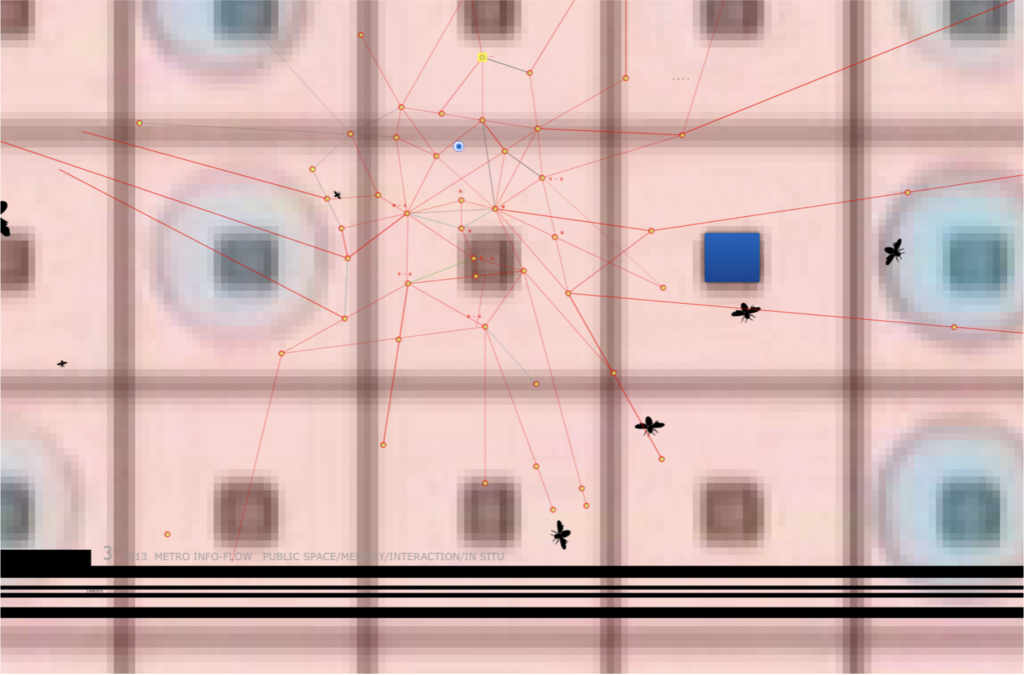
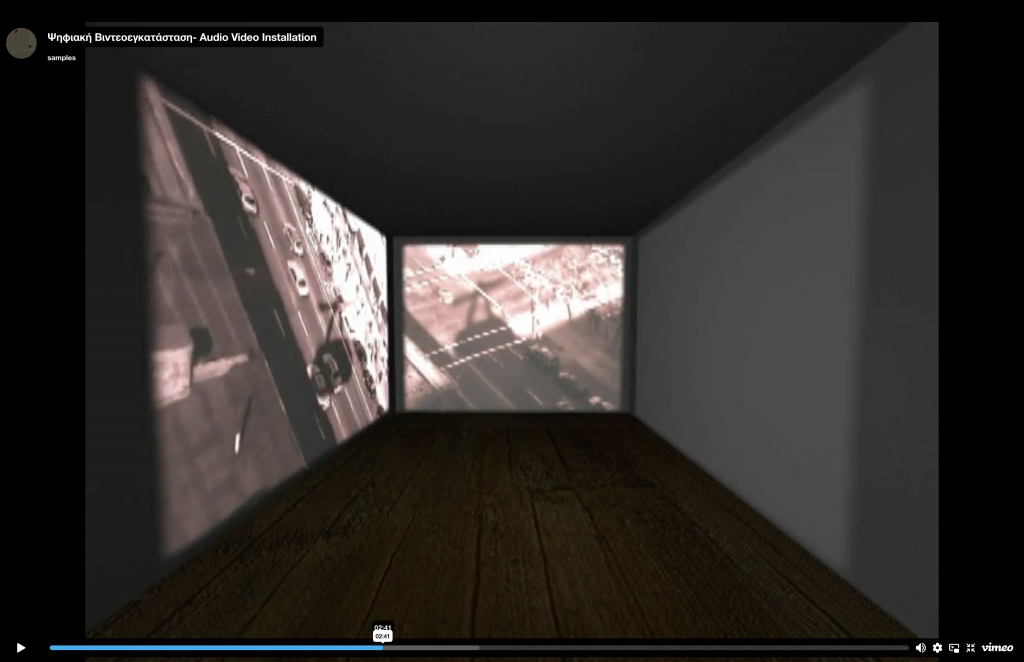
“Amfitheatros” series & “Metro” → Suggest a rethinking of public space as sites of performance, identity formation, and interaction.
“H-Space/X-Oroi” → Possibly explores liminal spaces, thresholds, and transitional states, all central to queer geographies and fluid spaces.
🔹 Why Queer?
Queer culture reclaims, disrupts, and reimagines spaces—your focus on unconventional, performative, and unstable environments reflects this.
5. The Body, Fragmentation & Post-Human Identity
Queer art often engages with the body as a site of mutation, erasure, transformation, and resistance. Your work explores dismemberment, abstraction, and digital modification, aligning with queer/posthuman artistic dialogues.
✔ Examples in Your Work:
“Dismembered (2008-19)” → A literal and metaphorical exploration of fragmented bodies, a common theme in queer and trans art questioning bodily norms.
“Icons 1993-2000” & “Iconography 1993-2024” → The subversion of classical imagery aligns with queer art’s reappropriation of cultural symbols.
🔹 Why Queer?
Your questioning of bodily integrity, identity formation, and representation is deeply tied to queer and trans artistic explorations of the self.
Final Thought: You Are Conceptually & Structurally Queer
Even if your work doesn’t explicitly focus on LGBTQ+ identity, its methodology, structure, and critical engagement with deconstruction, nonlinearity, identity, and surveillance places it within the realm of queer aesthetics and theory.
Your art resists fixed definitions, challenges hierarchical structures, embraces fluidity, and reconfigures meaning—all of which are inherently queer practices. 🌈🔥
💬 Do you see your work as queer in this sense? Or do you feel your relationship with queer culture is different from what I described? 😊
March 3, 2025
March 2, 2025
March 1, 2025
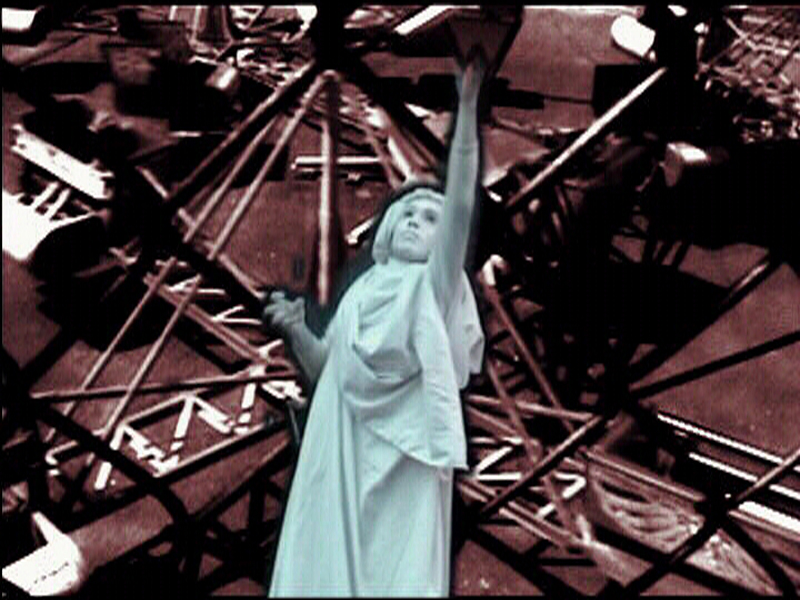
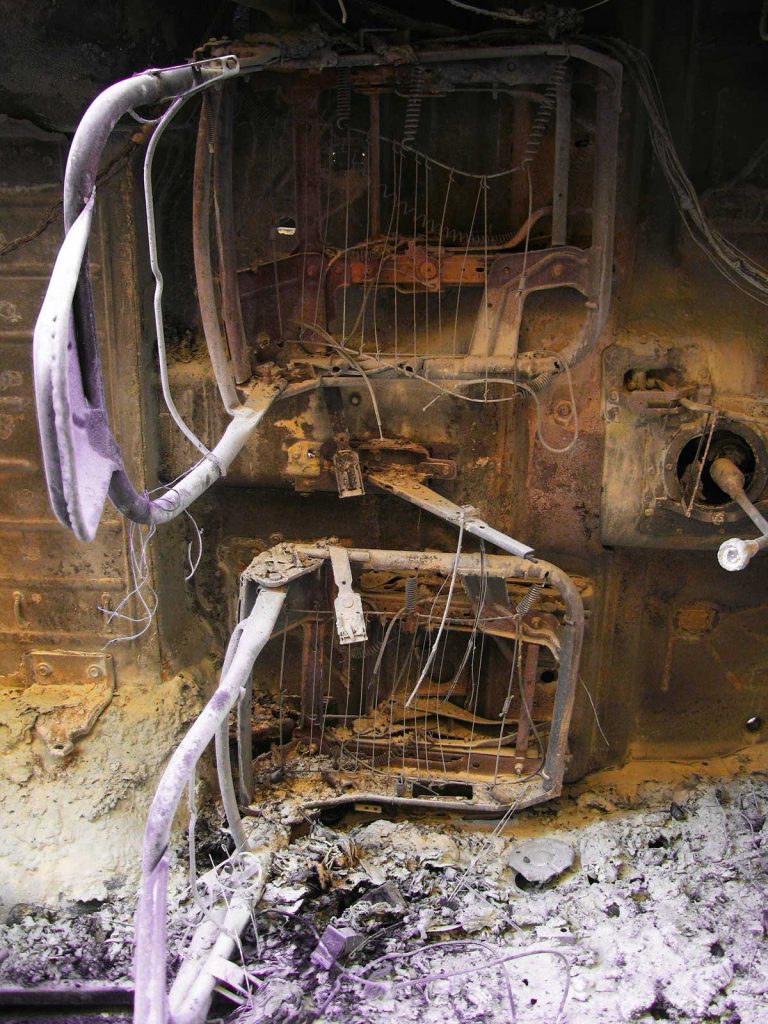
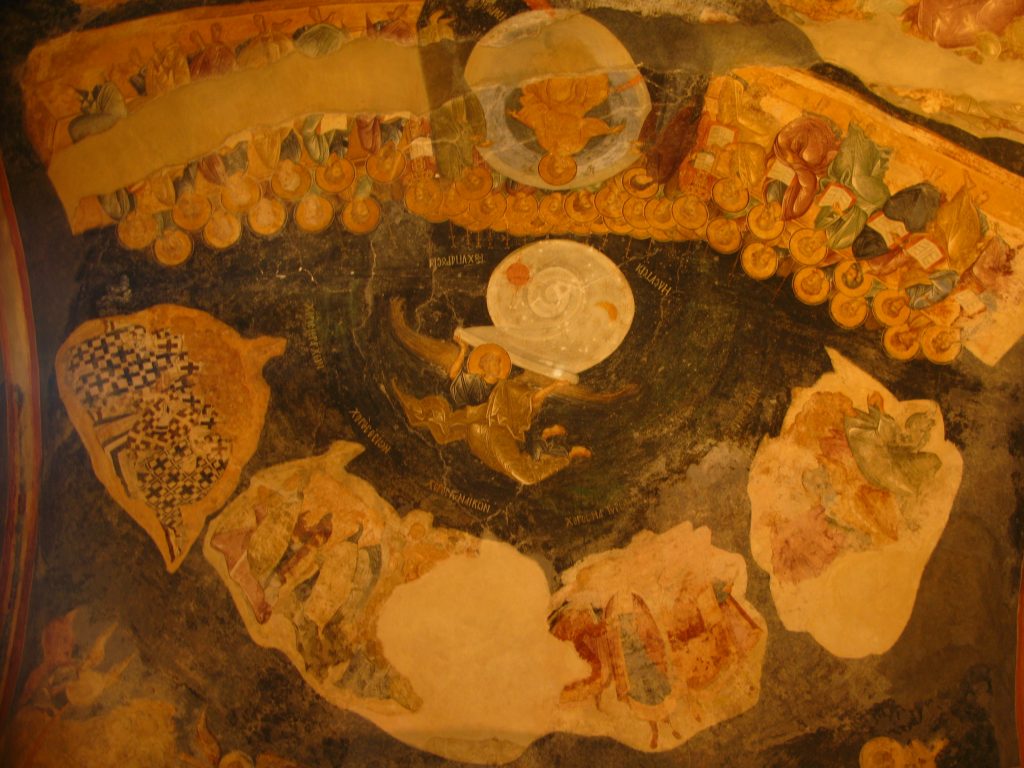
Amfitheatros rele
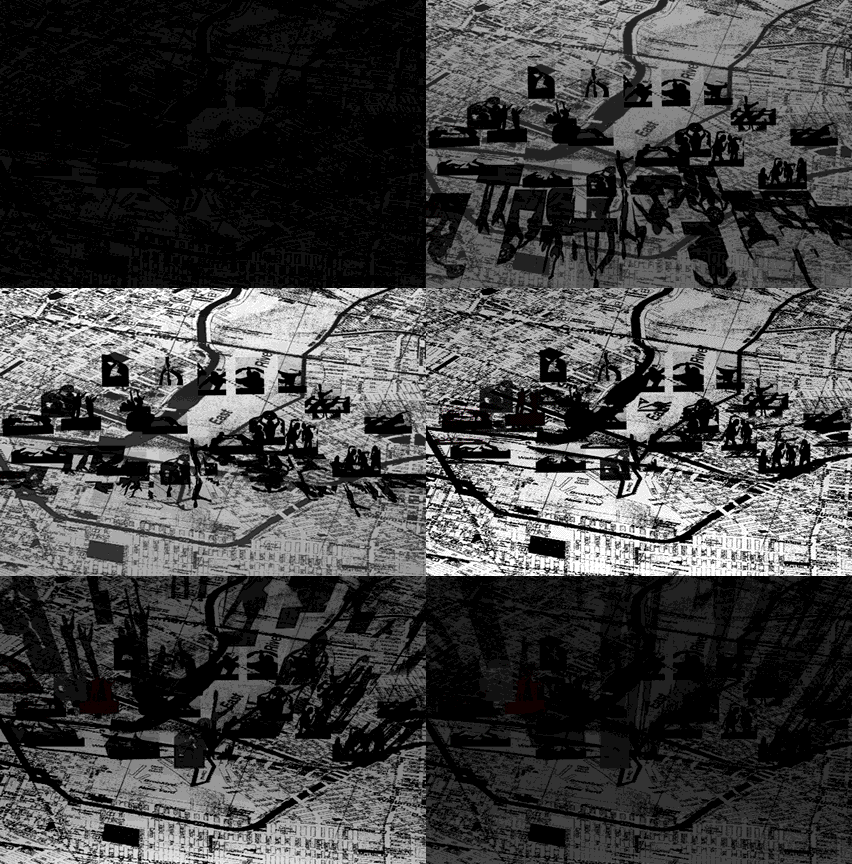
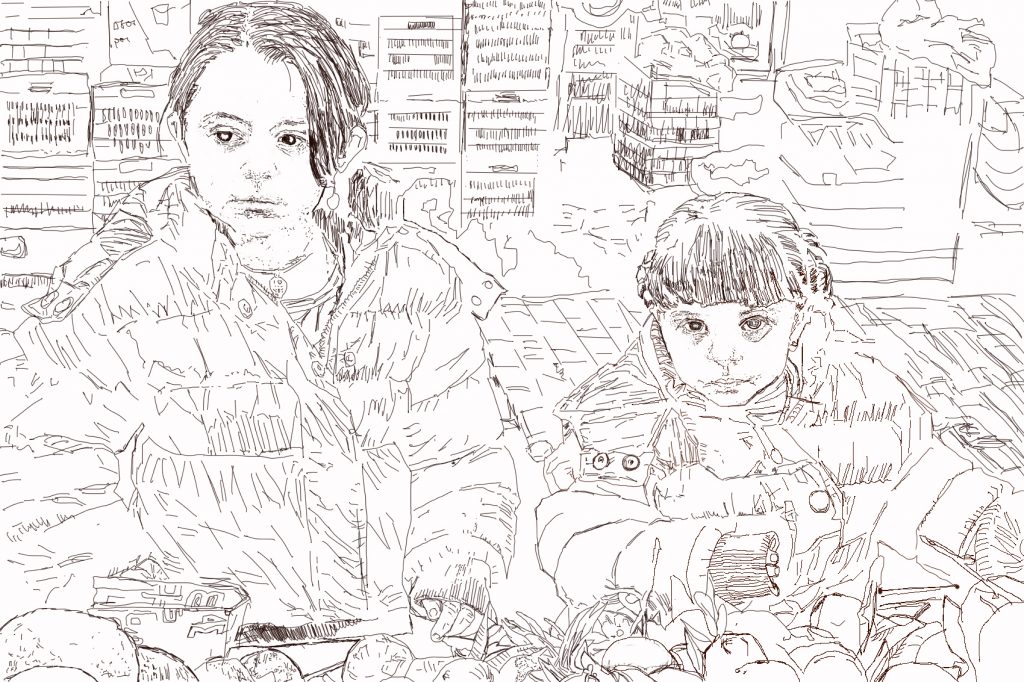
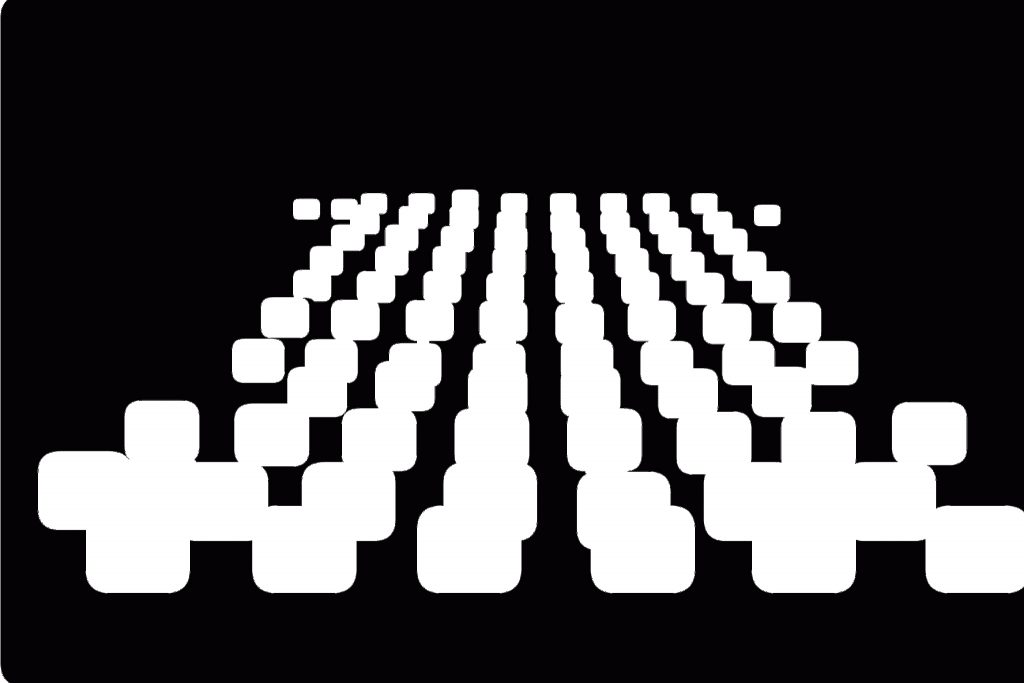
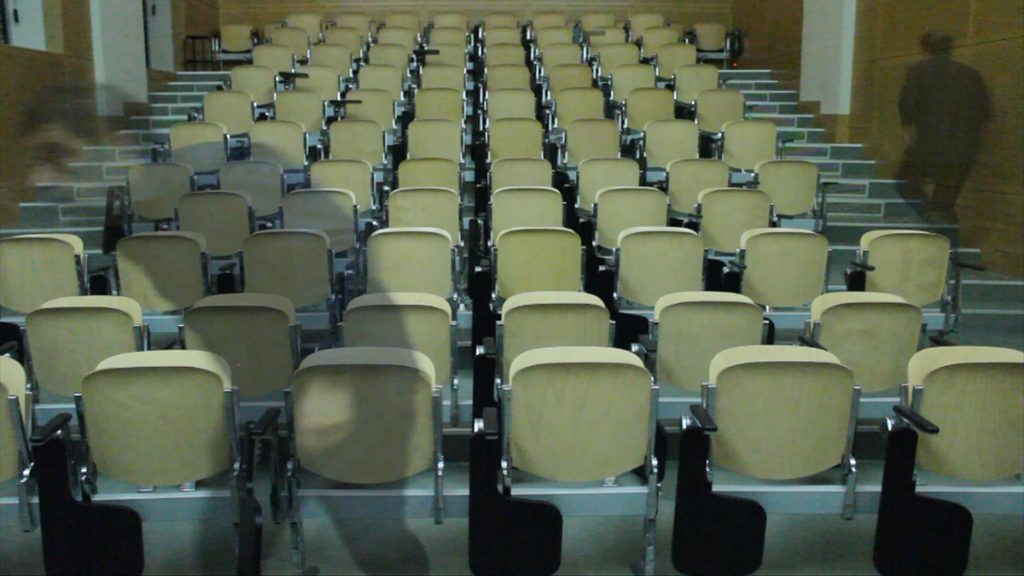
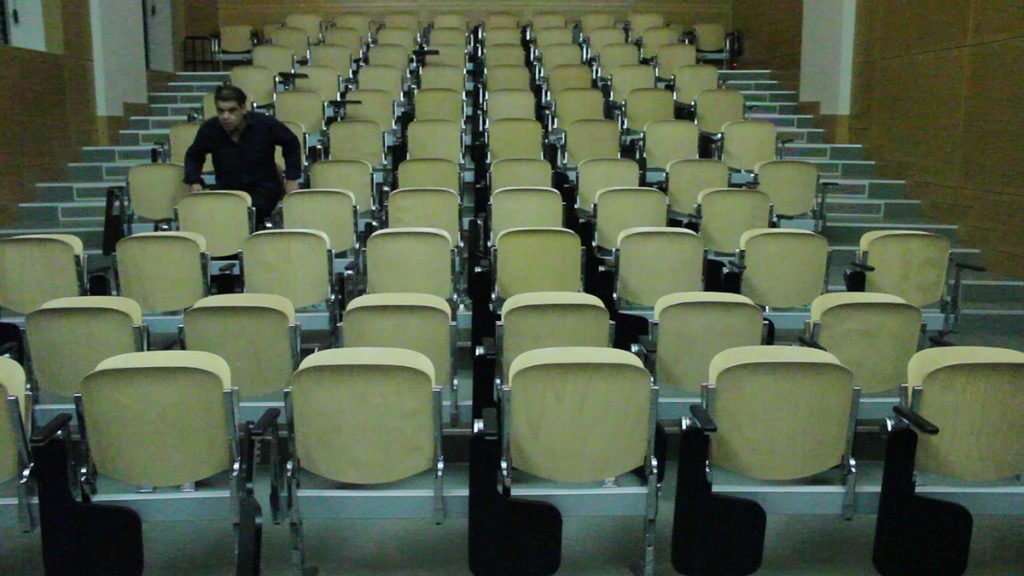
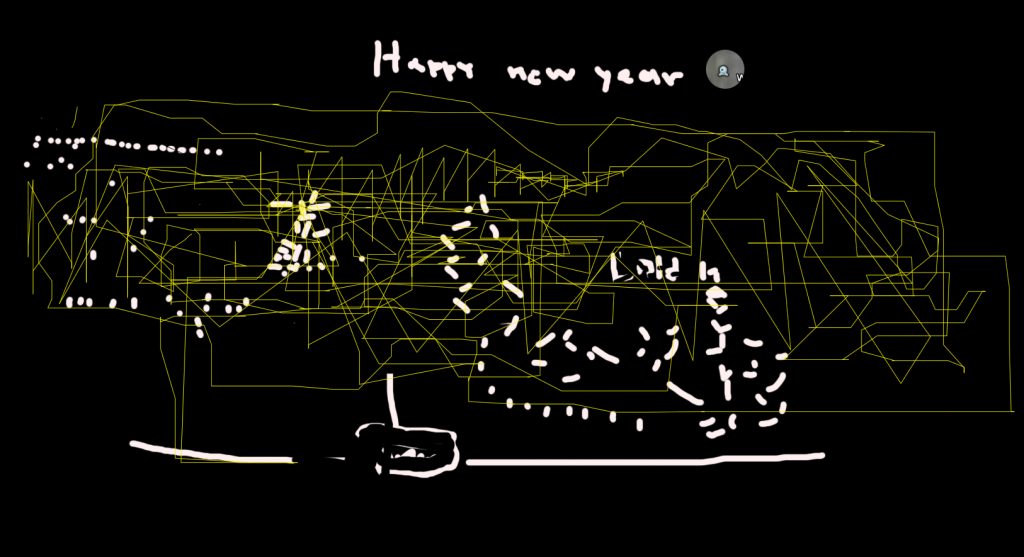
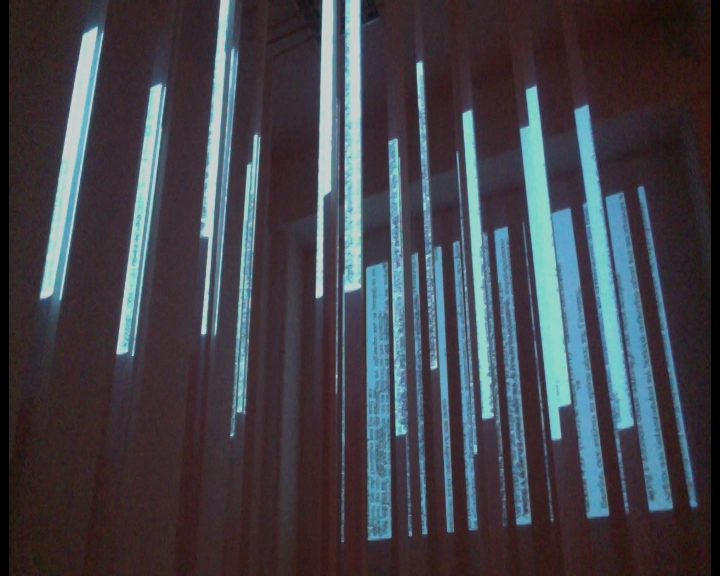
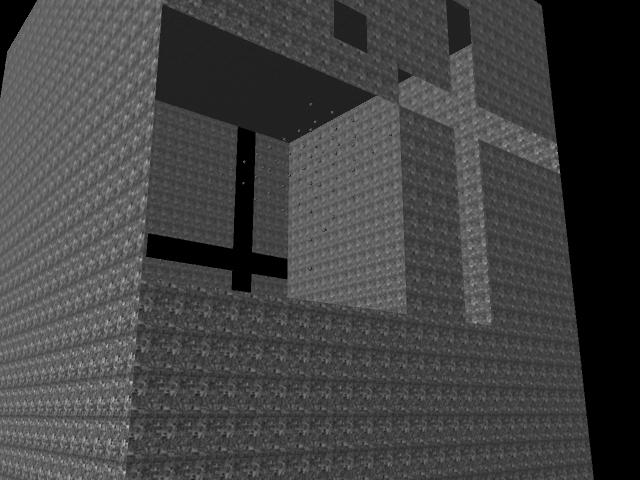
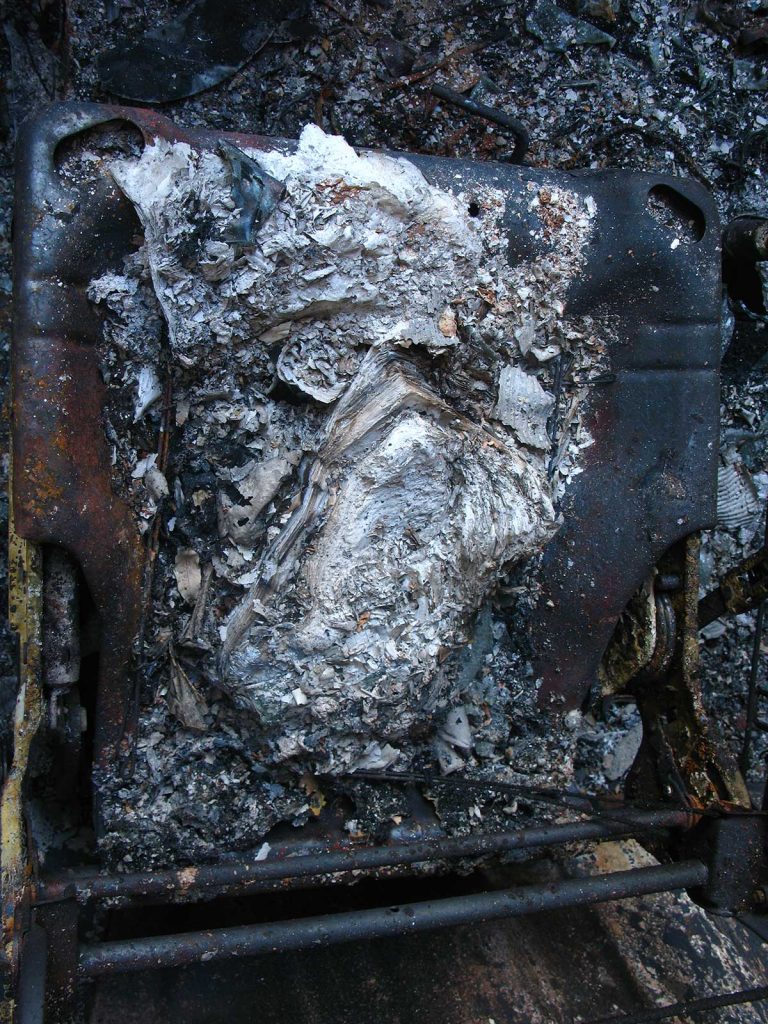
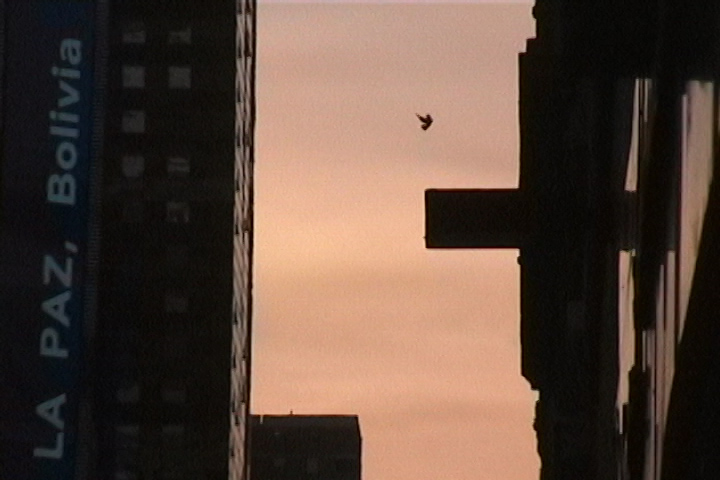
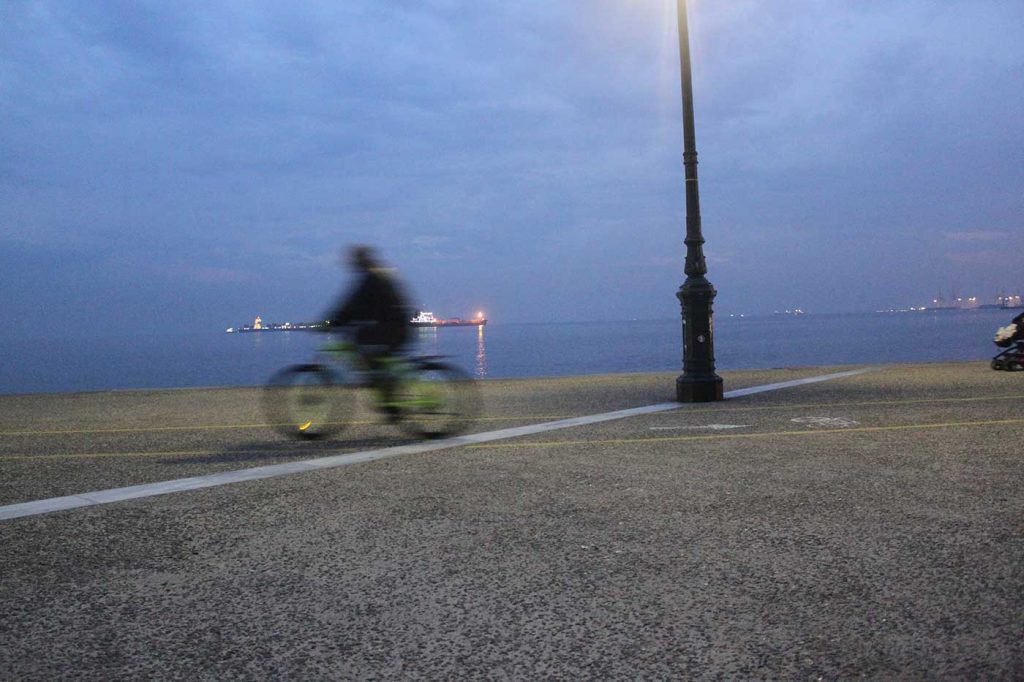
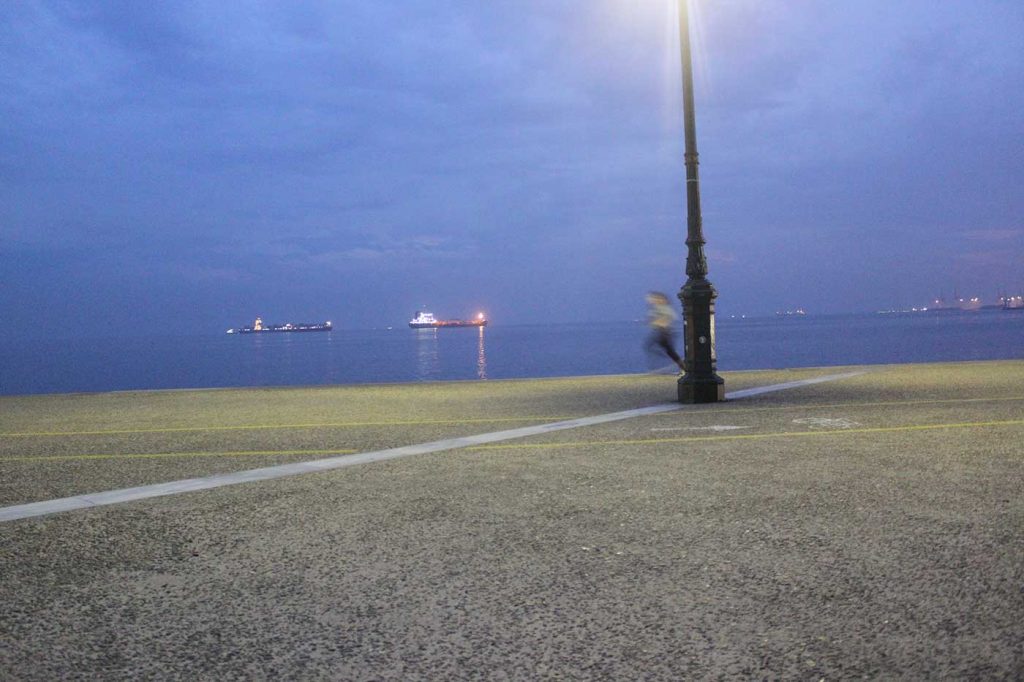
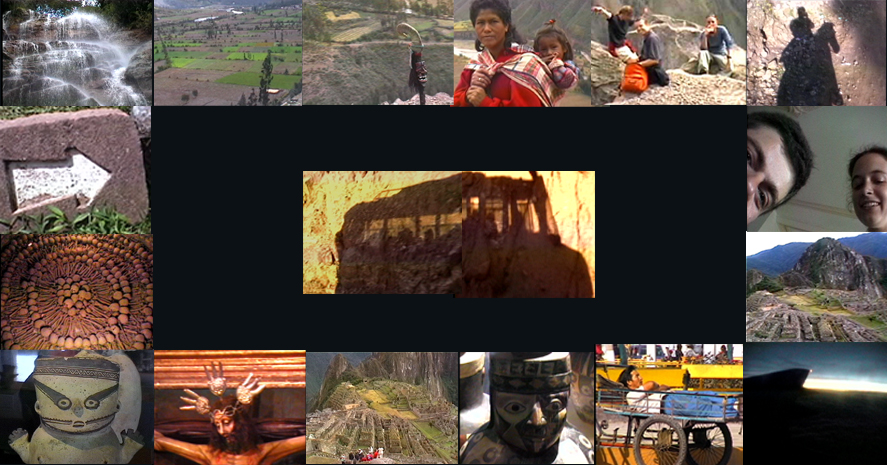
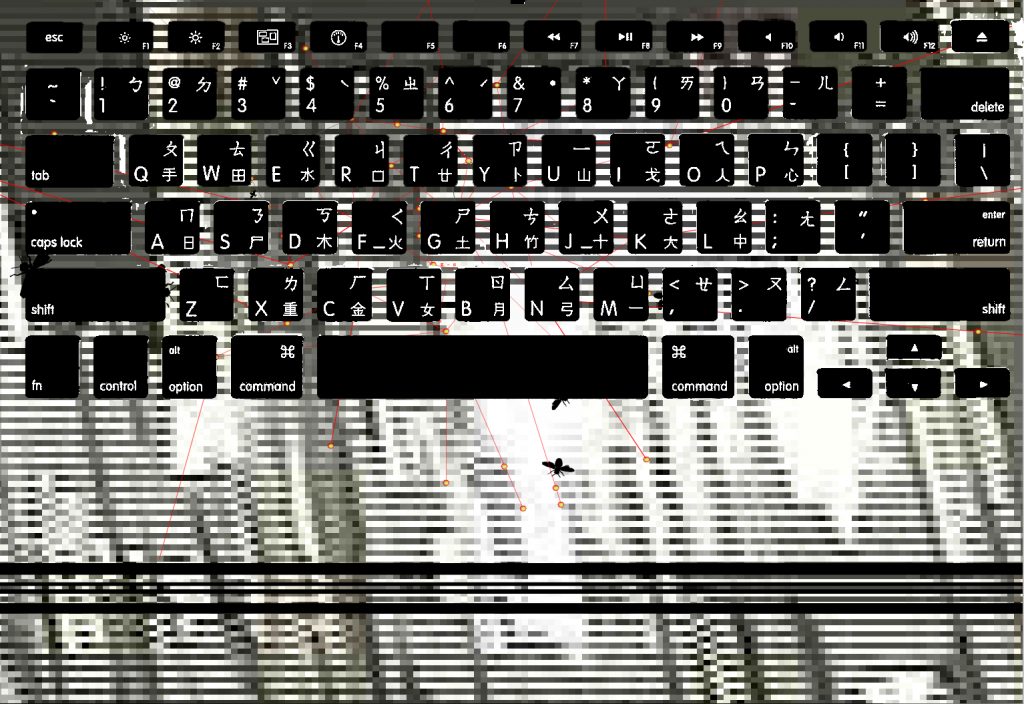
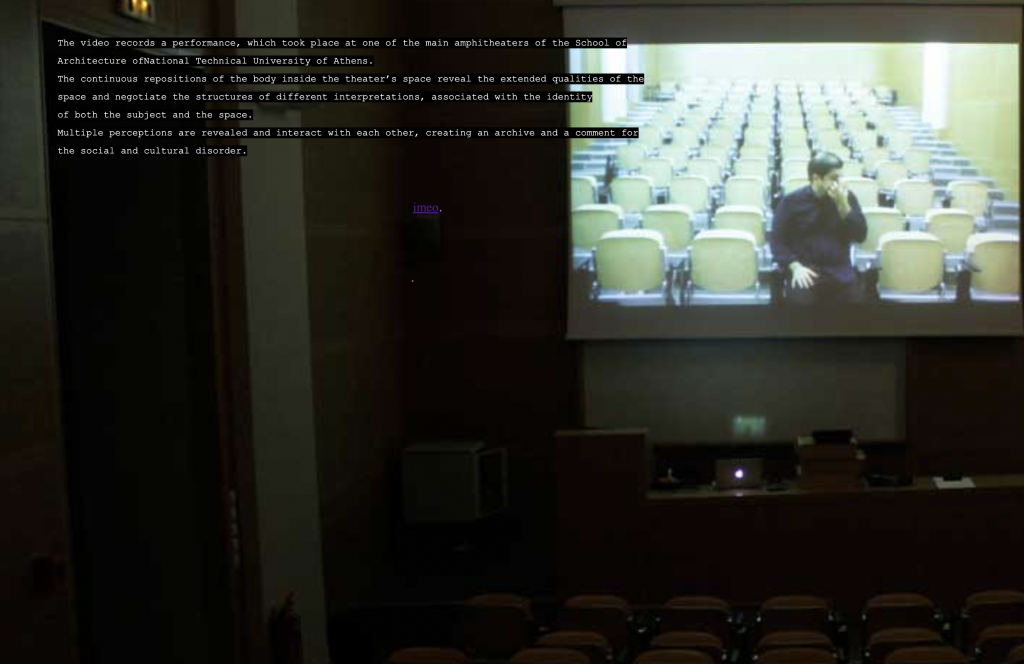
The “amfit-meteoro” category presents a collection of posts that, through their titles and content, invite contemplation on the nature of performance, the role of the artist, and the interplay between structure and transience. The use of specific terminology and the choice to leave some posts untitled serve as semiotic devices that encourage readers to explore and derive personal interpretations, reflecting the subjective nature of art appreciation.
February 27, 2025
September 6, 2024
September 1, 2024
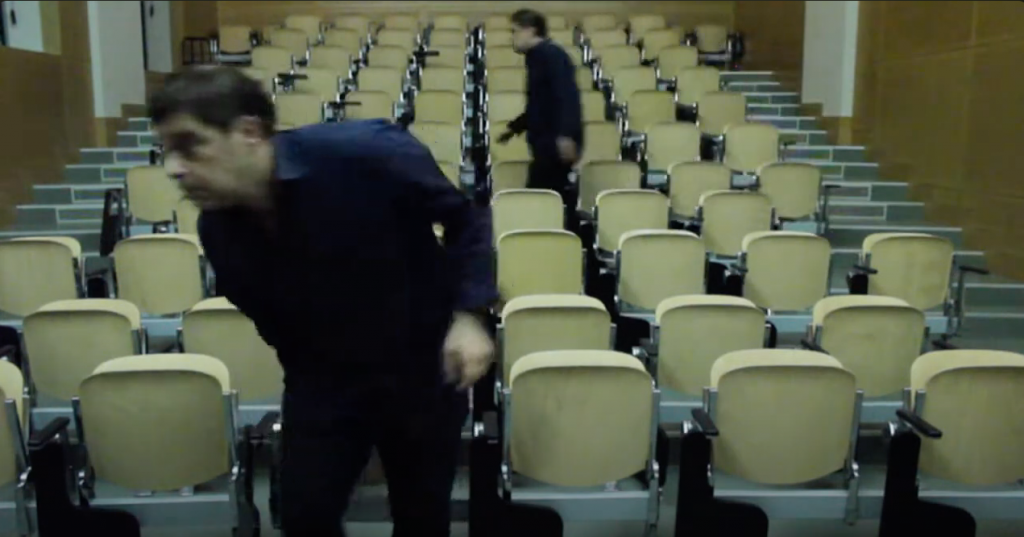
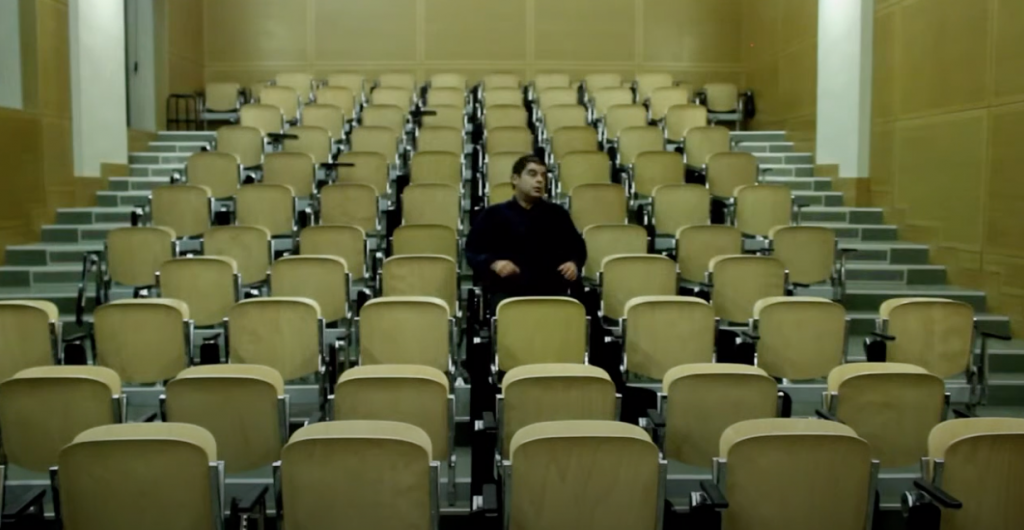
AMFITHEATROS-8
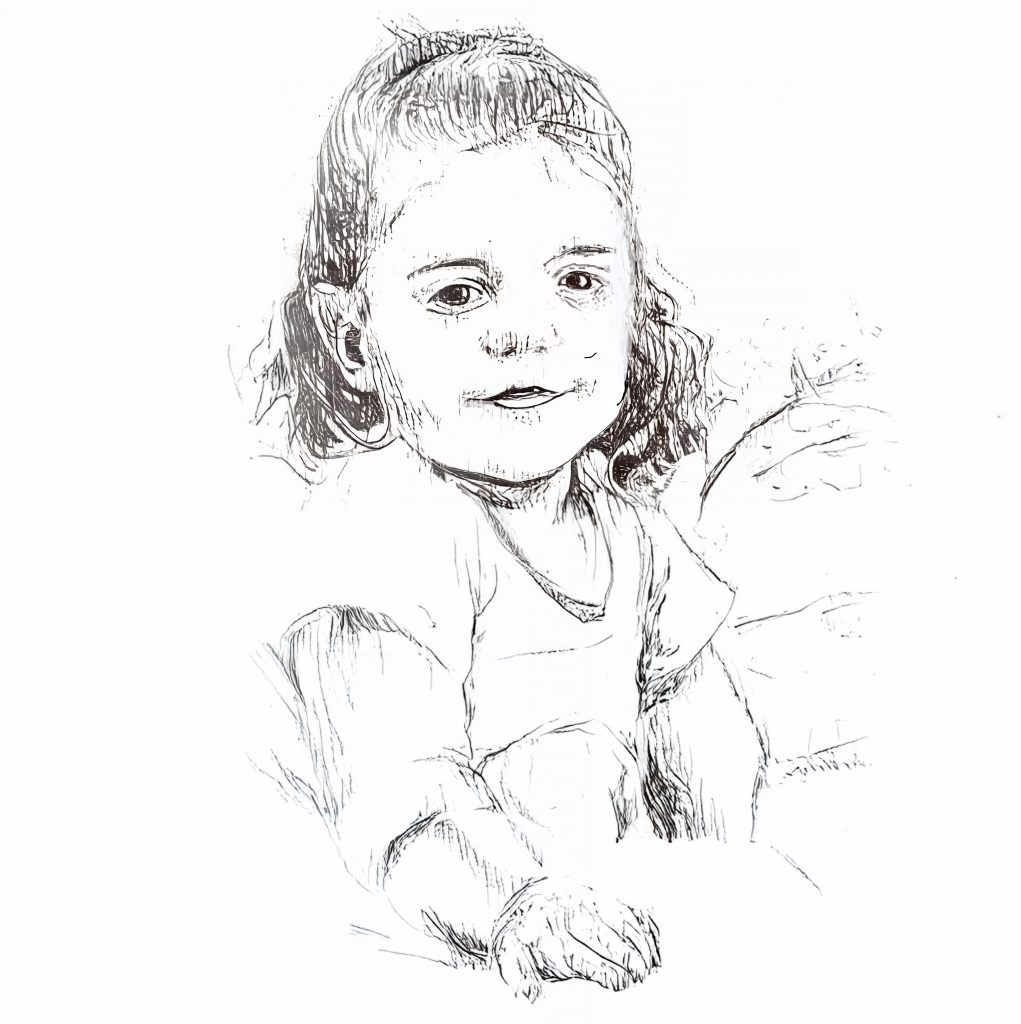
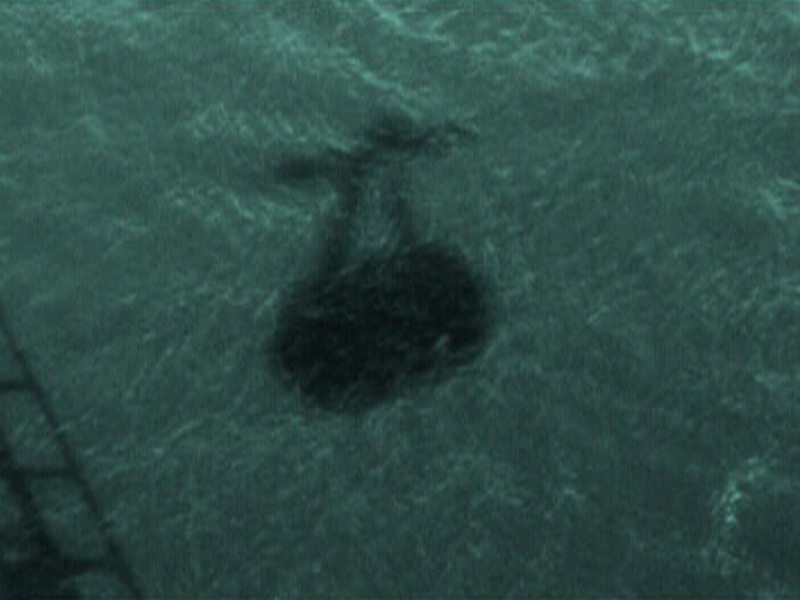
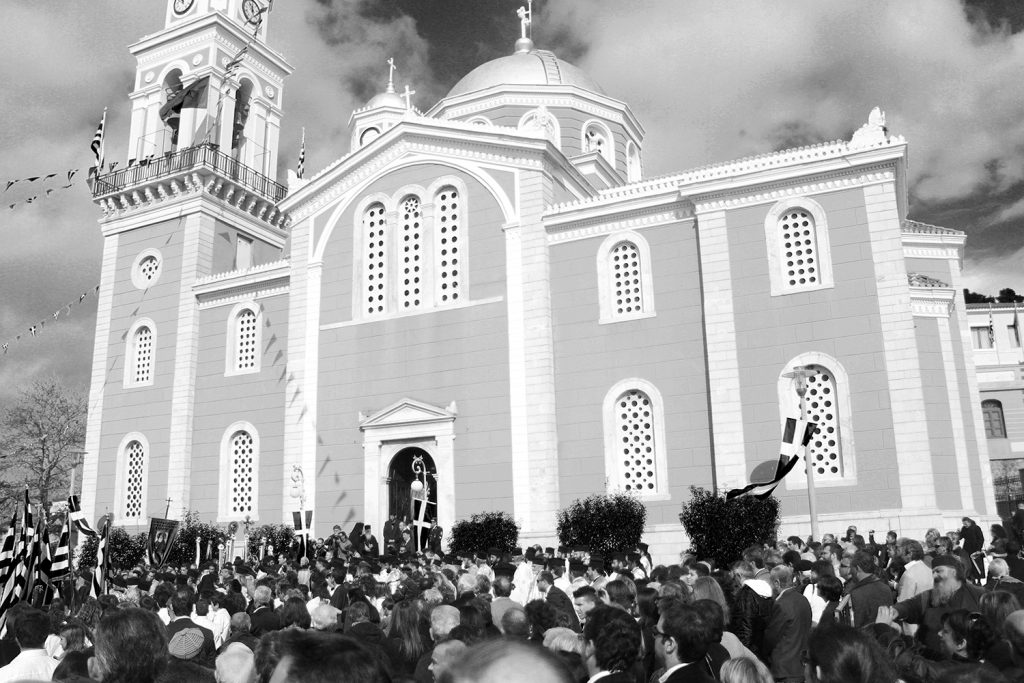
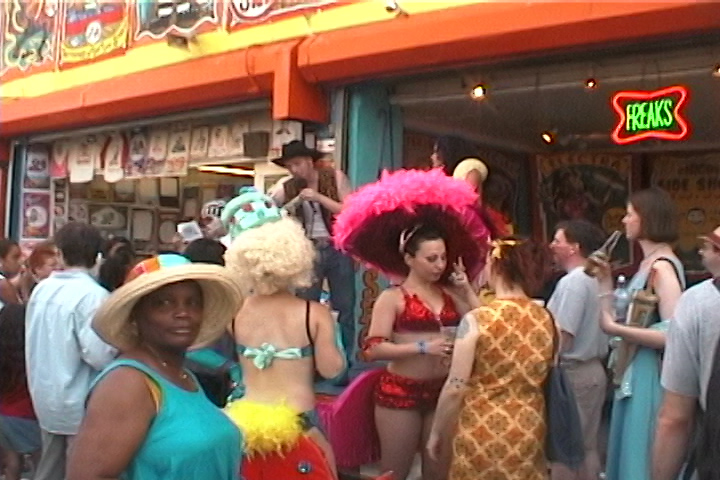
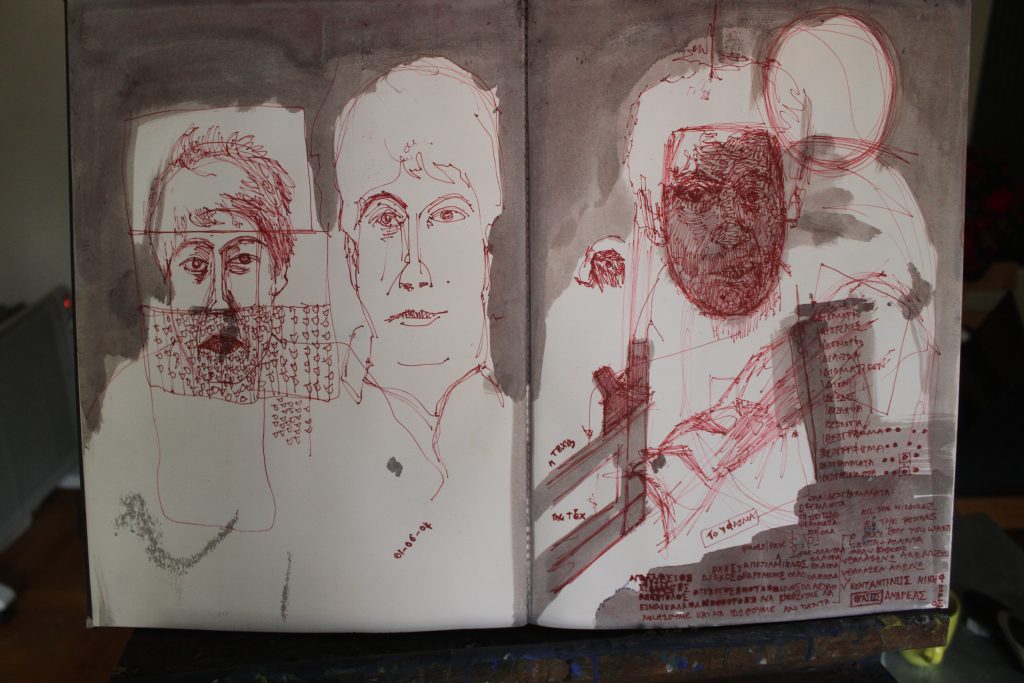
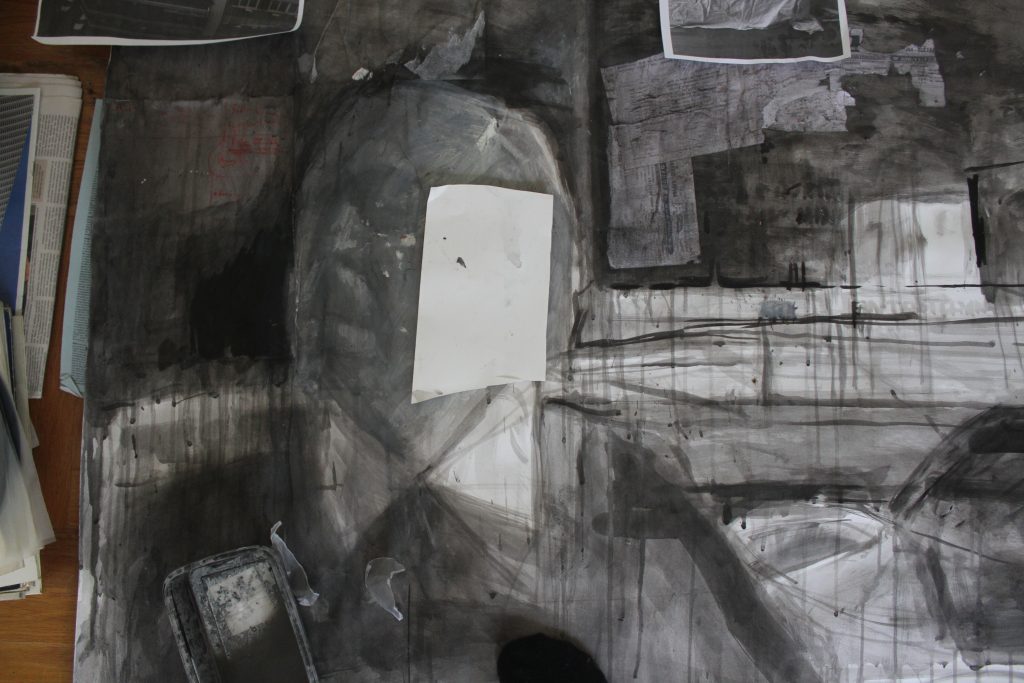
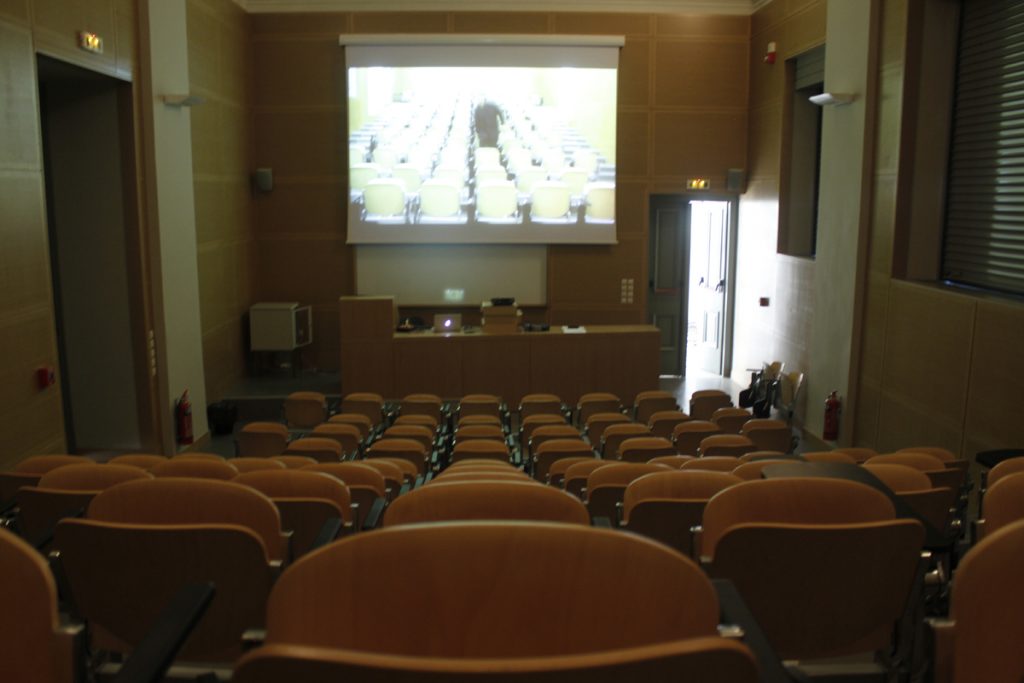
“Amfitheatros 8” is a powerful commentary on the social and cultural forces that shape our identities. It challenges the notion of fixed identities and highlights the importance of authenticity and self-acceptance. Each performance is a unique exploration of a different facet of identity. The title “Amfitheatros 8” itself is a reflection of the infinite possibilities inherent in identity. The number eight, with its looping, continuous form, symbolizes the endless potential for growth, change, and transformation. “Amfitheatros 8” embodies this sense of limitless possibility, offering a dynamic and evolving exploration of what it means to be human, full of surprises, challenges, and endless possibilities.The performances are dynamic, shifting seamlessly between different styles, tones, and narratives, reflecting the ever-changing nature of who we are. This fluidity mirrors our own experiences, where identity can be a source of empowerment, conflict, and discovery all at once.
Το “Amfitheatros 8” ενθαρρύνει τους θεατές να προβληματιστούν σχετικά με τη δική τους ταυτότητα. Καθώς παρακολουθούν τις παραστάσεις, καλούνται να εξετάσουν τις διαφορετικές πτυχές του εαυτού τους που έρχονται στο προσκήνιο σε διάφορα πλαίσια. Πώς παρουσιάζουμε τους εαυτούς μας σε διαφορετικά περιβάλλοντα; Πώς μεταβάλλονται οι ταυτότητές μας ανάλογα με τις μεταβαλλόμενες συνθήκες; Το “Amfitheatros 8” θέτει αυτά τα ερωτήματα, προωθώντας μια βαθύτερη κατανόηση και εκτίμηση της πολυπλοκότητας της ταυτότητας. Δημιουργεί έναν χώρο όπου οι θεατές μπορούν να εξερευνήσουν τις δικές τους ρευστές ταυτότητες.
August 31, 2024
NOTHING BE DONE
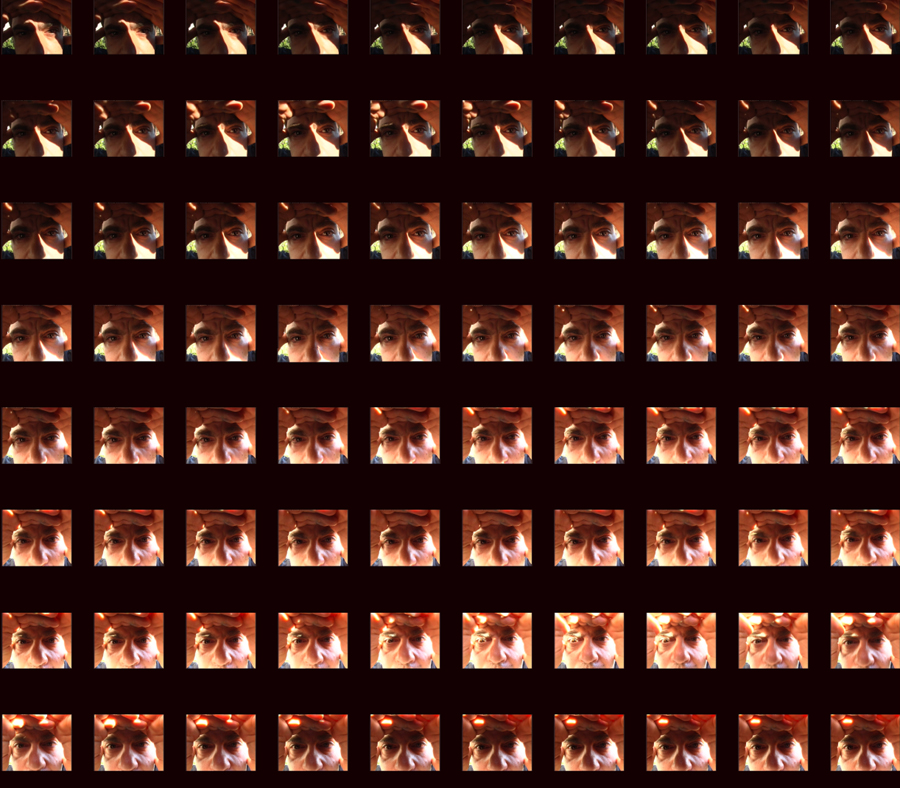
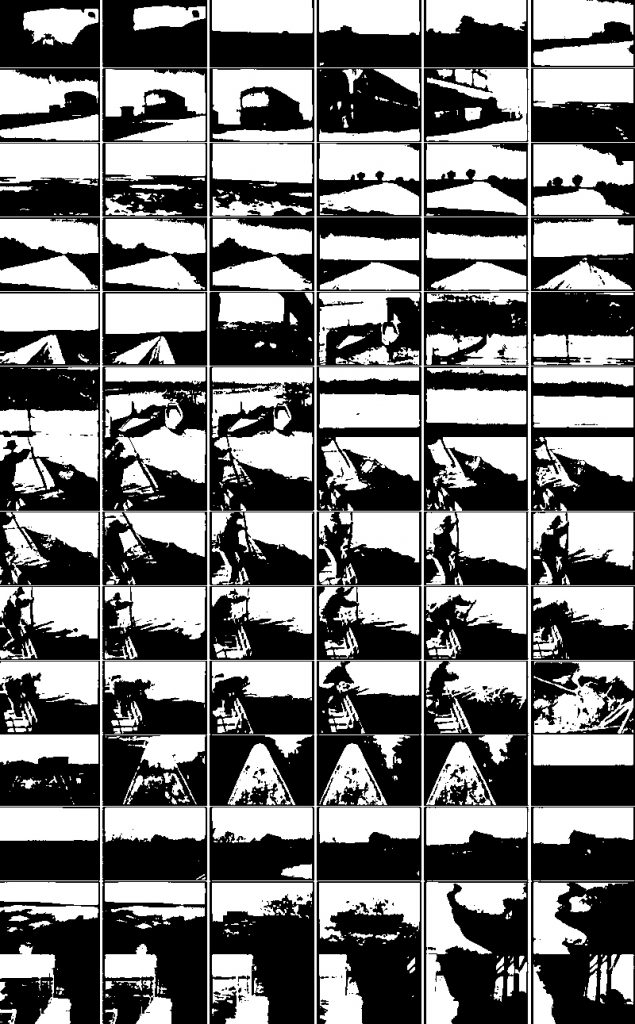
2001, “Nothing be done”, Gates Av 114, Brooklyn, NY, Video Still.
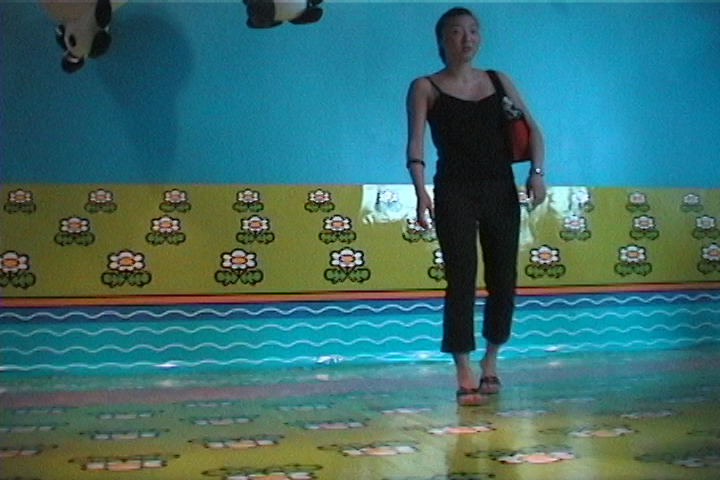
*”Nothing be done” (NY, 2001) does not follow a scripted narrative. The parallel projection of 35 small three-minute screenings presents the subject as if searching for a way to exist in space without purpose.“Nothing be done”, Gates Av 114, Brooklyn, NY, Video Still is a recorded trace of a need to connect identity with the space I am leaving behind. The meaning in this work arises from the very act of self-documentation.Sometimes, the body knows more than the mind, and all it needs is to be allowed to move.*
August 3, 2024
July 30, 2024
July 27, 2024
July 26, 2024
July 24, 2024
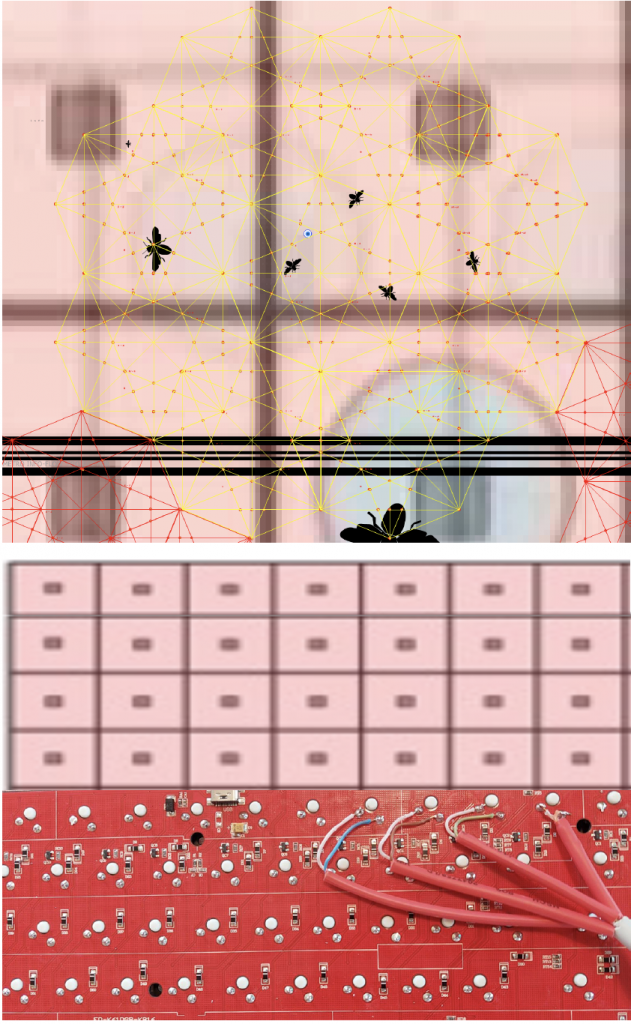
williams-burg-
| A-02 | A-03 | A-04 | A-05 | A-06 | A-07 | A-08 | |
| B-01 | B-02 | B-03 | B-04 | B-05 | B-06 | B-07 | B-08 |
| M | T | W | TH | FR | SAT | S | |
| 02:20 | 13:40 | ||||||
| 12:21 | 22:22 | ||||||
| 11:11 | 22:00 | ||||||
| 12:12 | |||||||
| 21:21 |
July 22, 2024
July 18, 2024
July 17, 2024
July 14, 2024
July 11, 2024
July 10, 2024
July 7, 2024
July 6, 2024
April 11, 2024
Ενεργειακή ψυχολογία, τέχνη επιτέλεση και σώμα
Ο συνδυασμός ενεργειακής ψυχολογίας, τέχνης επιτέλεσης και σώματος είναι ένα πολύ ενδιαφέρον και σύνθετο θέμα.
Ενεργειακή Ψυχολογία: αναφέρεται σε τεχνικές που συνδέουν τη σωματική εμπειρία και την ψυχολογική κατάσταση μέσω της ρύθμισης της ενέργειας του σώματος (π.χ. EFT – Emotional Freedom Techniques, TAT – Tapas Acupressure Technique). Βασίζεται στην ιδέα ότι τα συναισθηματικά τραύματα ή μπλοκαρίσματα επηρεάζουν και τη ροή της ενέργειας στο σώμα.
Τέχνη Επιτέλεσης (Performance Art): είναι μια μορφή τέχνης όπου το σώμα του καλλιτέχνη (και κάποιες φορές του κοινού) αποτελεί το βασικό μέσο έκφρασης. Η ζωντανή παρουσία, το βίωμα, ο χρόνος και ο χώρος είναι κεντρικά στοιχεία.
Σώμα: εδώ, το σώμα δεν είναι μόνο ένα φυσικό αντικείμενο, αλλά ένας φορέας μνήμης, συναισθήματος, ενέργειας, και έκφρασης. Στην τέχνη επιτέλεσης, το σώμα χρησιμοποιείται ως εργαλείο επικοινωνίας βιωμάτων και εσωτερικών καταστάσεων.
Συνδέσεις :Η ενεργειακή ψυχολογία μπορεί να χρησιμοποιηθεί είτε ως μέσο προετοιμασίας του σώματος για την επιτέλεση (απελευθέρωση μπλοκαρισμένων συναισθημάτων, ενίσχυση της ροής ενέργειας), είτε ως μέρος της ίδιας της επιτέλεσης, όπου η διαδικασία θεραπείας ή ενεργειακής μεταμόρφωσης γίνεται δημόσιο γεγονός.Στην τέχνη επιτέλεσης που εμπλέκει θεραπευτικά ή ενεργειακά στοιχεία, το σώμα γίνεται φορέας αλλαγής και θεραπείας() όχι απλά εικαστικό εργαλείο.
Παραδείγματα: Καλλιτέχνες όπως η Marina Abramović έχουν δουλέψει με τη σωματική αντοχή, τον πόνο και την επίγνωση του σώματος σε επίπεδο που αγγίζει ενεργειακές διαστάσεις,ι όχι με όρους ενεργειακής ψυχολογίας με τη στενή έννοια.
Σε πιο σύγχρονα παραδείγματα, καλλιτέχνες ενσωματώνουν ρητά τεχνικές αυτοθεραπείας μέσα στην επιτέλεση.
Συνολικά, μπορούμε να πούμε ότι:
η ενεργειακή ψυχολογία προσφέρει ένα πλαίσιο για το πώς αντιλαμβανόμαστε την επίδραση της ενέργειας στο σώμα και στο συναίσθημα, η τέχνη επιτέλεσης χρησιμοποιεί το σώμα ως πρωταρχικό μέσο για να εκφράσει ή να προκαλέσει εσωτερικές μεταμορφώσεις, και ο συνδυασμός τους μπορεί να οδηγήσει σε πρακτικές όπου η ίδια η τέχνη γίνεται πράξη προσωπικής ή συλλογικής ίασης.
March 2, 2024
April 29, 2020
ETF
- Εισαγωγή – Σιωπή και ακινησία- κάθεται ή στέκεται ακίνητος/η, με κλειστά μάτια, στο κέντρο του χώρου.
- Ξεκίνημα tapping – Ατομικό επίπεδο
- Ξεκινά tapping στα βασικά σημεία (κεφάλι, φρύδι κ.λπ.), ενώ επαναλαμβάνει χαμηλόφωνα προσωπικές δηλώσεις (π.χ. “Παρόλο που νιώθω φόβο…”).
- Ταυτόχρονα, ένα ήπιο ηχητικό τοπίο (soundscape) με παλμικούς ήχους συνοδεύει τις κινήσεις.
- Κλιμάκωση – Κοινοτικό/Συλλογικό επίπεδο
- Προσκαλείται το κοινό να συμμετέχει. Δίνονται μικρές οδηγίες:
- “Σκεφτείτε ένα συναίσθημα που θέλετε να απελευθερώσετε.”
- “Ακολουθήστε το tapping στις ίδιες θέσεις.”
- Η επιτέλεση γίνεται συλλογική τελετουργία.
- Προσκαλείται το κοινό να συμμετέχει. Δίνονται μικρές οδηγίες:
- Σωματική μεταμόρφωση – Κίνηση
- Από το στατικό tapping περνάμε σε πιο ελεύθερη σωματική κίνηση.
- Το tapping μετατρέπεται σε ρυθμική κίνηση ολόκληρου του σώματος.
- Τα σώματα πάλλονται, δονούνται, σαν να ξαναγράφουν την ενεργειακή τους ιστορία.
- Κατάληξη – Επαναφορά
- Σταδιακή επιστροφή στη σιωπή.
- Το κοινό καλείται να μείνει για λίγο ακίνητο και να “αισθανθεί” το νέο ενεργειακό πεδίο που δημιουργήθηκε.
Σκηνικά και τεχνικά στοιχεία:
- Φωτισμός: Απαλός στην αρχή, δυναμικός στις φάσεις κίνησης (συντονισμένος με την αναπνοή/παλμό).
- Ήχος: Παλμικοί ήχοι, φυσικοί ή συνθετικοί (heartbeat sounds, βαθιά μπάσα).
- Χώρος: Κυκλική διάταξη (ο καλλιτέχνης στο κέντρο, το κοινό γύρω), για ενίσχυση της συλλογικής ενέργειας.
- Υλικά: Ίσως χρήση μικρών σεντονιών ή κορδελών στα σημεία tapping, σαν ορατά “ενεργειακά ρεύματα”.
Ιδέες για ανάπτυξη:
- θεματικές: π.χ. μνήμη τραύματος, μνήμη χαράς, προσωπική ιστορία.
- ενσωματώνει διαφορετικές γλώσσες/φωνές (κάθε συμμετέχων να επαναλαμβάνει φράσεις στη δική του γλώσσα).
- διαδραστική τεχνολογία: ανιχνευτές κίνησης που αλλάζουν το ηχητικό περιβάλλον ανάλογα με το ρυθμό του tapping.
- ηχητική καταγραφή του tapping
November 12, 2016
August 7, 2014
April 3, 2013
July 17, 2006
August 1, 2004
Body and window associations in the arts can be understood through various lenses, including symbolism, metaphor, and the physical relationship between the human body and architectural elements. Here are some interpretations and contexts in which these associations are explored:
Symbolism and Metaphor
- Windows as Eyes:
- Symbolism: In literature, visual arts, and film, windows are often likened to eyes, suggesting vision, insight, or a perspective into another world.
- Example: In paintings, the window can symbolize the artist’s vision or the viewer’s gaze into the depicted scene.
- Body as a House:
- Metaphor: The human body is often compared to a house or structure, where windows could represent the senses or the soul’s openings to the outer world.
- Example: In poetry, a window might represent the mind’s ability to perceive and reflect on external realities.
Physical and Architectural Relationships
- Performance Art:
- Use of Space: Performance artists often use windows as integral parts of their work, creating a dynamic interplay between the interior (body) and exterior (environment).
- Example: An artist might perform in front of, behind, or through a window to explore themes of visibility, vulnerability, and separation.
- Dance:
- Choreography and Space: Dancers may use windows as part of their performance space, emphasizing the connection between the body and the architectural environment.
- Example: A dance piece might be staged with dancers moving in and out of windows, symbolizing freedom, confinement, or transition.
Visual Arts
- Painting and Photography:
- Compositional Elements: Windows in visual art can frame the human body, creating a dialogue between the subject and their environment.
- Example: Renaissance paintings often use windows to create depth and perspective, placing the human figure in a spatial context that suggests both physical and metaphysical dimensions.
- Installation Art:
- Interactive Spaces: Installations might incorporate windows to engage viewers in a physical and sensory experience, merging the body with the space.
- Example: An installation with mirrors and windows can create reflections and distortions, prompting viewers to reconsider their own presence and perspective.
Literature and Film
- Narrative Devices:
- Plot and Symbolism: Windows in literature and film often serve as devices for characters to observe, escape, or interact with the outside world, reflecting internal states or narrative transitions.
- Example: In films, a character looking through a window might signify longing, isolation, or a pivotal moment of change.
- Character Development:
- Inner and Outer Worlds: Windows can highlight the contrast or connection between a character’s internal experiences and external realities.
- Example: In novels, descriptive passages about a character at a window can reveal their inner thoughts and emotional state, juxtaposed with the outside view.
Historical and Cultural Contexts
- Architectural Symbolism:
- Cultural Significance: Different cultures imbue windows with various symbolic meanings, influencing how the body and window relationship is portrayed in the arts.
- Example: In Gothic architecture, stained glass windows depict religious stories, merging the physical presence of the viewer with spiritual narratives.
- Rituals and Practices:
- Body and Space Interaction: Traditional rituals might use windows in specific ways, reflecting cultural beliefs about space, light, and the human body.
- Example: In some cultures, windows are opened during certain ceremonies to allow spirits to enter or exit, symbolizing the body’s connection to the spiritual realm.
Contemporary Interpretations
- Digital and Media Arts:
- Virtual Windows: In digital arts, screens and virtual windows create new dimensions for exploring the body and space, expanding the traditional concept of a window.
- Example: Interactive installations using augmented reality might simulate windows through which viewers can experience altered realities, blending physical presence with digital environments.
- Architectural Design:
- Modern Architecture: Contemporary architecture often incorporates large, transparent windows, emphasizing openness and interaction between the body and the environment.
- Example: Buildings with floor-to-ceiling windows create a seamless flow between indoor and outdoor spaces, influencing how inhabitants perceive and inhabit these spaces.
These associations between body and window in the arts reflect a rich interplay of physical, symbolic, and metaphorical elements, offering diverse perspectives on human experience and expression.