20 meteora sounds
July 30, 2024
July 28, 2024
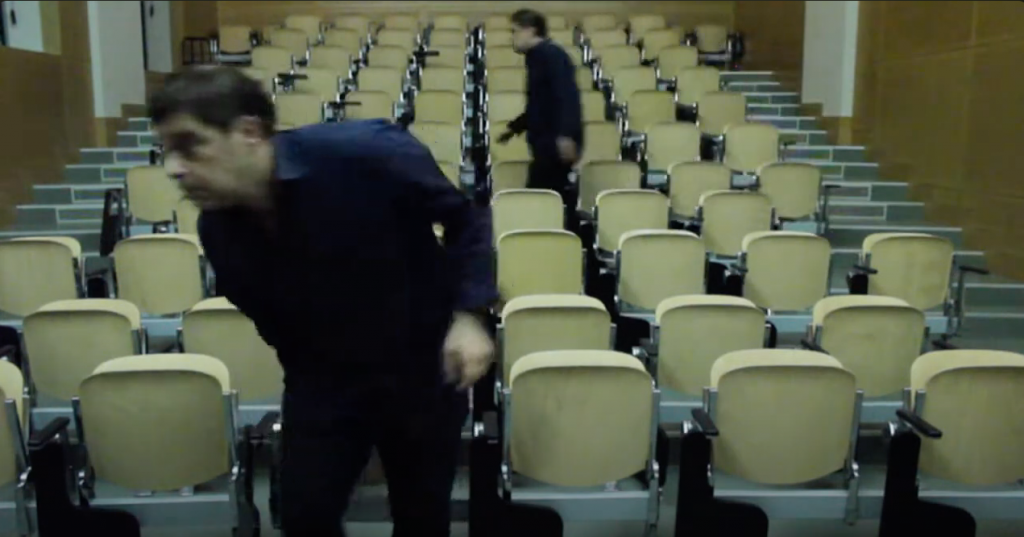
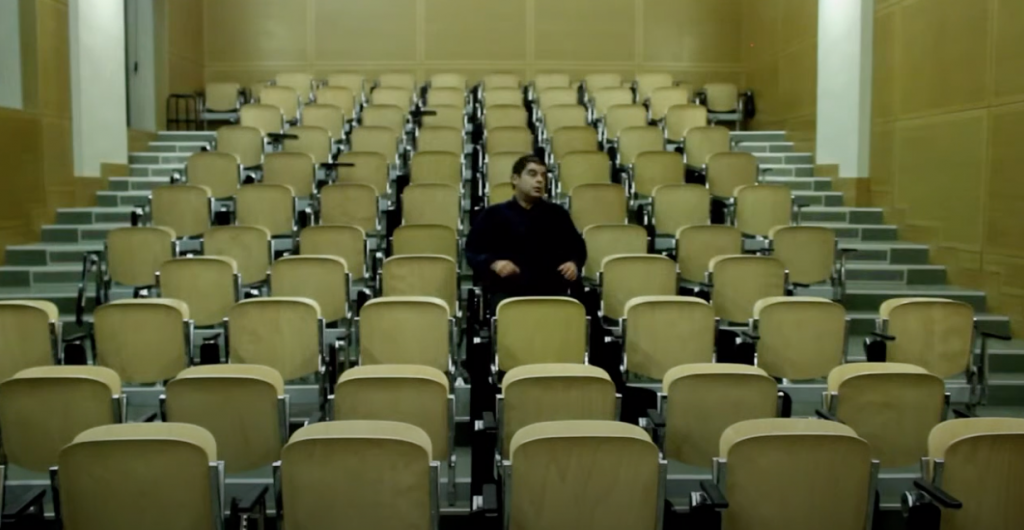
DEPARTURE 2000
THe departure from a home is a critical moment
The relationship between the body and the home is a dynamic interplay of physical, emotional, cultural, and social elements. The home serves not only as a shelter but also as a space where the body and the mind find rest, expression, and connection. In this case home was critical since was
Cultural practices often influence how homes are designed to accommodate bodily functions, such as cooking, bathing, and sleeping. For example, traditional Japanese homes with tatami mats and futons reflect specific cultural approaches to sleeping and sitting.
The home is a canvas for self-expression, where individuals can display their tastes, values, and identities through decoration, furniture, and personal belongings. This personalization makes the home a reflection of the occupant’s identity.The arrangement and organization of space within the home often mirror the occupant’s routines and lifestyle, which are intrinsically linked to the body’s daily rhythms and needs.
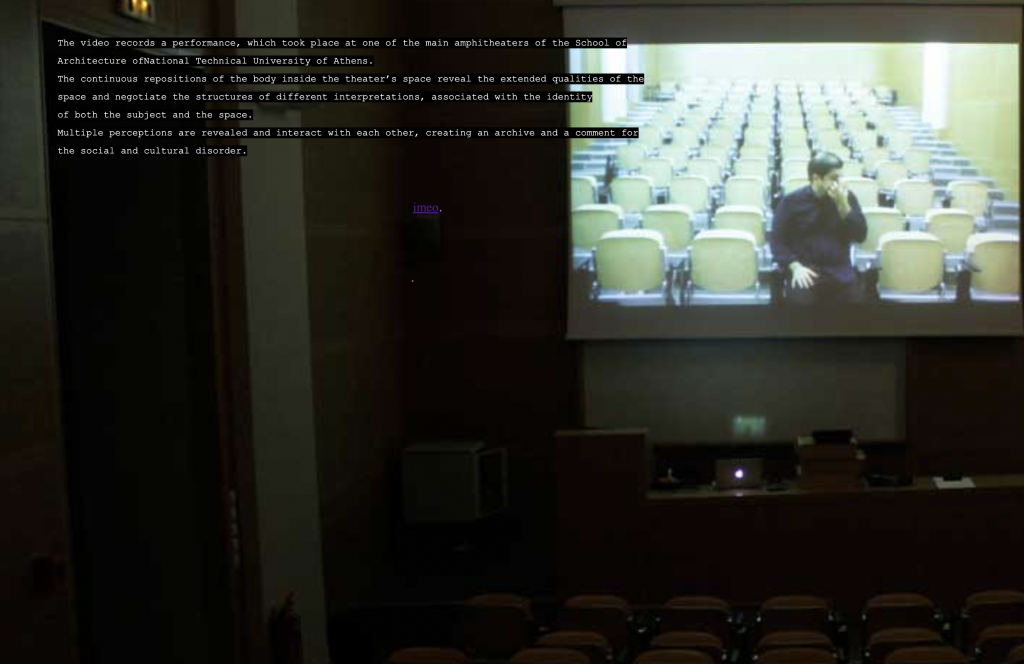
The relationship between the body and the home spans various disciplines, including anthropology, sociology, psychology, architecture, and cultural studies. The video explores how the physical and symbolic aspects of home influences the well-being of whom inhabit it.
The wooden window that I was looking for several years accossiated with my and a symbolic part of the house
Τα ξύλινα πατζούρια που έβλεπα για πολλά χρόνια.
Όσοι κοίταξαν τα ιδια πατζούρια
. The layout and design of a home often reflect the needs and habits of the body.Cultural practices often influence how homes are designed to accommodate bodily functions, such as cooking, bathing, and sleeping. For example, traditional Japanese homes with tatami mats and futons reflect specific cultural approaches to sleeping and sitting.Personal Identity and Self-Expression:The home is a canvas for self-expression, where individuals can display their tastes, values, and identities through decoration, furniture, and personal belongings. This personalization makes the home a reflection of the occupant’s identity.The arrangement and organization of space within the home often mirror the occupant’s routines and lifestyle, which are intrinsically linked to the body’s daily rhythms and needs.
Psychological and Emotional Perspectives
- Sense of Safety and Security:The home provides a sense of safety and security, crucial for mental and emotional well-being. It acts as a sanctuary where individuals can retreat from the external world and feel protected. The comfort and familiarity of the home environment contribute to emotional stability and a sense of belonging, essential for overall mental health.
- Attachment and Memory:Homes are often imbued with personal and familial memories, creating a deep emotional attachment to the space. These memories can be triggered by specific objects, smells, or arrangements within the home. The layout and aesthetic of a home can evoke feelings of nostalgia and comfort, connecting the present self with past experiences and loved ones.
Social and Community Perspectives
- Social Interactions and Relationships:The home is a primary setting for social interactions, whether within the family or with friends and guests. The design of communal spaces, such as living rooms and dining areas, facilitates these interactions.The arrangement of private versus shared spaces within a home can reflect and shape the dynamics of relationships among inhabitants, influencing privacy, communication, and social bonding.
- Cultural Norms and Practices:Different cultures have unique norms and practices regarding the use of space within the home, which influence how bodies interact with and move through these spaces. For example, some cultures prioritize communal living spaces, while others emphasize individual privacy.These cultural practices extend to rituals and traditions within the home, such as meal preparation, celebrations, and daily routines, which are performed and experienced through the body.
Architectural and Spatial Perspectives
- Design and Ergonomics:The design of a home, including its architecture and interior layout, directly affects how comfortably and efficiently the body can perform daily activities. Ergonomic considerations are crucial in ensuring that spaces are functional and accessible.Factors such as lighting, ventilation, and spatial flow are designed to enhance physical comfort and support bodily health, promoting a sense of well-being within the home.
- Adaptability and Accessibility:Homes need to adapt to the changing needs of the body over time, such as aging or disability. Accessible design features, like ramps, wider doorways, and adjustable fixtures, ensure that the home remains functional for all occupants.The concept of “universal design” aims to create spaces that are inherently accessible to people of all ages and abilities, promoting inclusivity and independence.
July 27, 2024
Examples of AI Photography Tools
- Adobe Sensei: Integrated into Adobe products, providing AI-driven features like content-aware fill and automatic tagging.
- Google Photos: Uses AI for photo organization, enhancement, and search.
- Luminar AI: A photo editing software that leverages AI for tasks like sky replacement, portrait retouching, and scene enhancement.
- Topaz Labs: Offers AI tools for image upscaling, noise reduction, and sharpening.
Ethical Considerations
The use of AI in photography raises ethical issues, particularly regarding deepfakes and privacy. It’s essential to consider the implications of AI-generated content and ensure responsible use of technology.
Conclusion
AI is revolutionizing photography by making advanced editing accessible, enhancing image quality, and automating time-consuming tasks. These innovations empower photographers to focus more on creativity and storytelling while leveraging the power of AI for technical enhancements.


Α-τελε-ίω-τη α-ν-ησυχία κυρ-ίως γι-α το σχημα-τισμό η τη δημι-ου-ρ-γία μιας ταυτό-τητας που δ-ε-ν εί-ναι εύ-κολο να χωρέσει- σ-τον τρό-πο που θέ-λουμε να ζού-με και να ταιρι-άξει στην ταυ-τό-τη-τα που ήδη έ-χουμε
July 26, 2024
July 25, 2024
PTOSH-
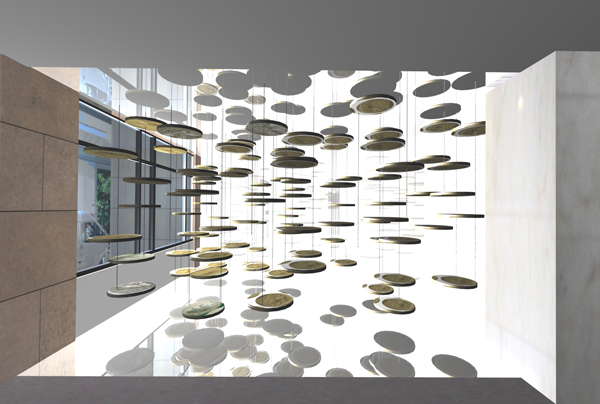
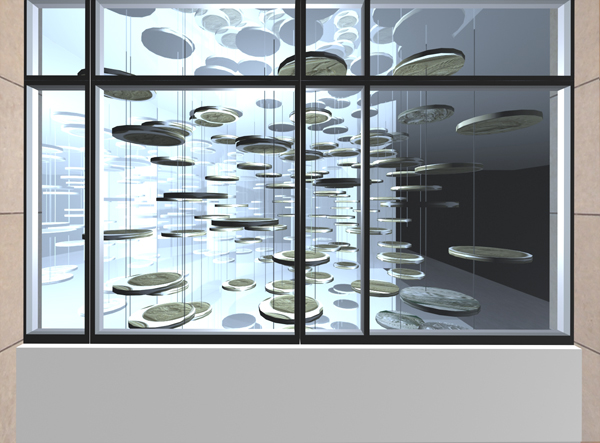
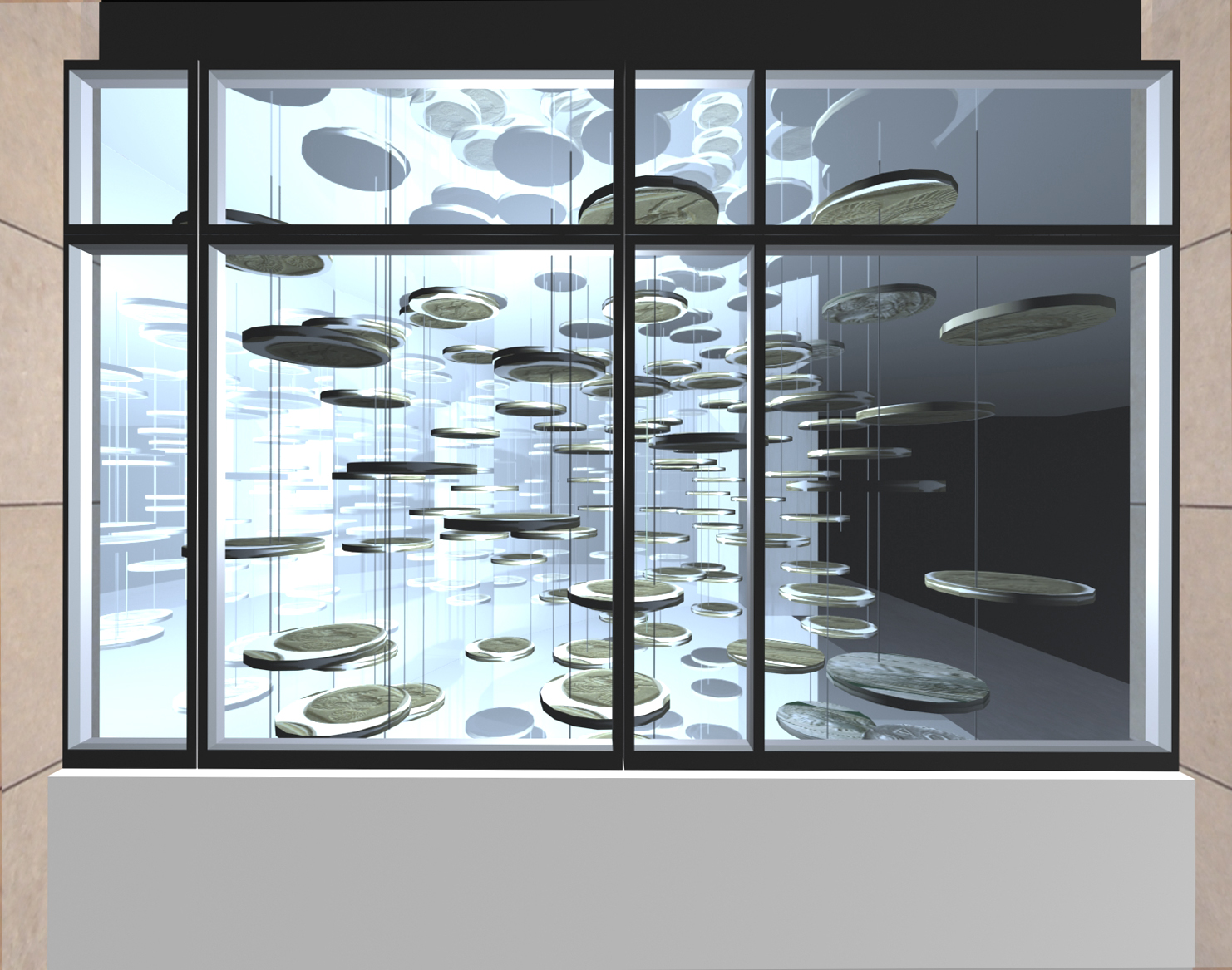
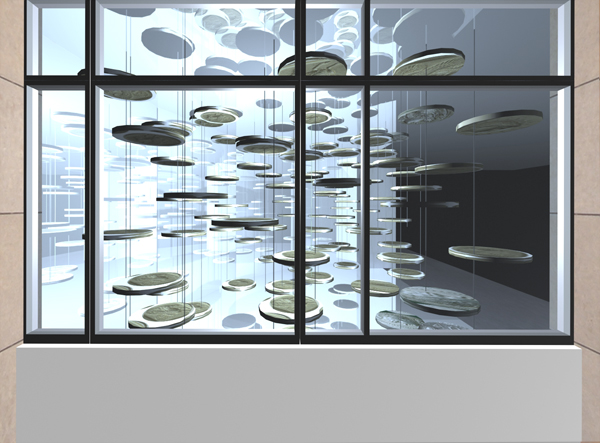
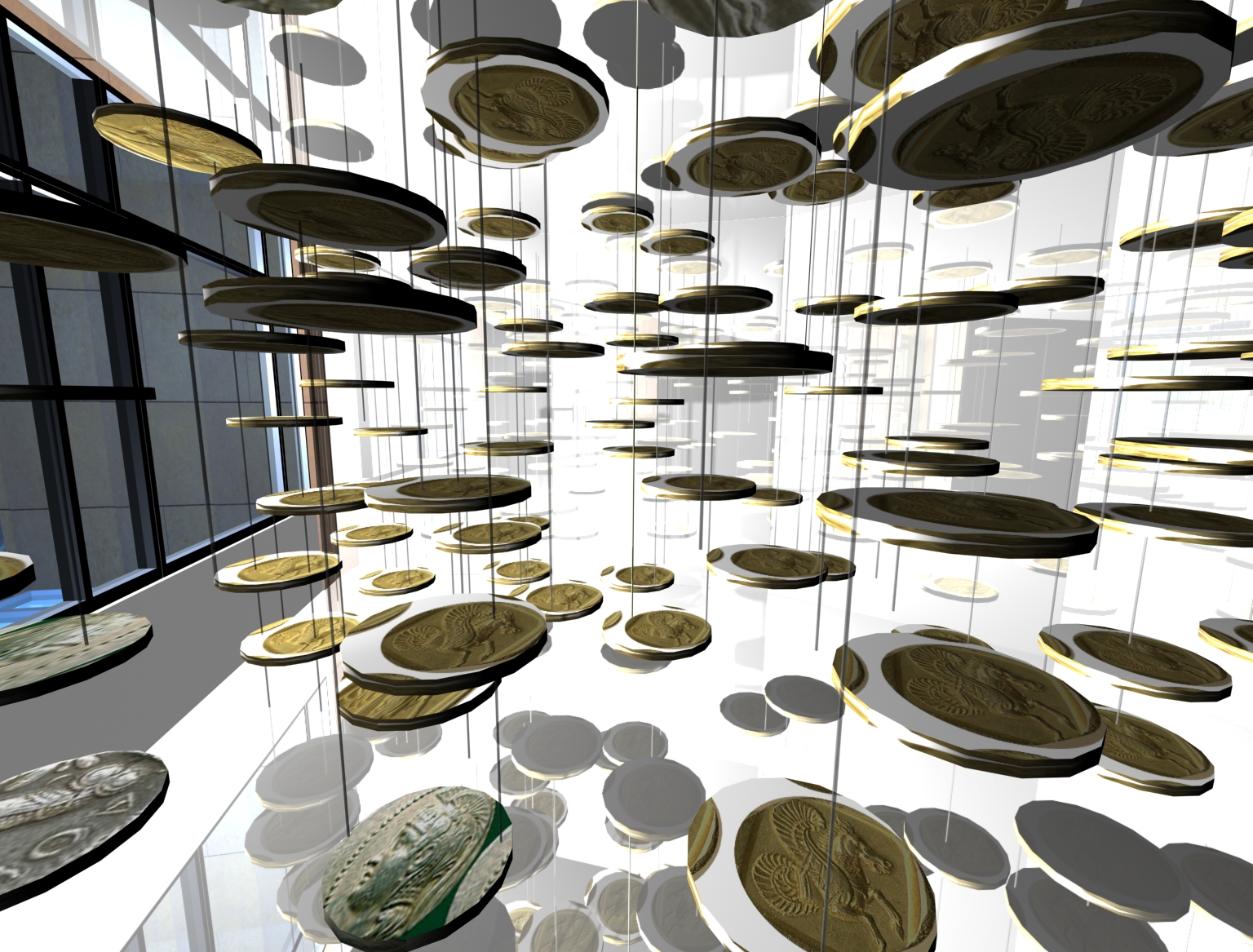
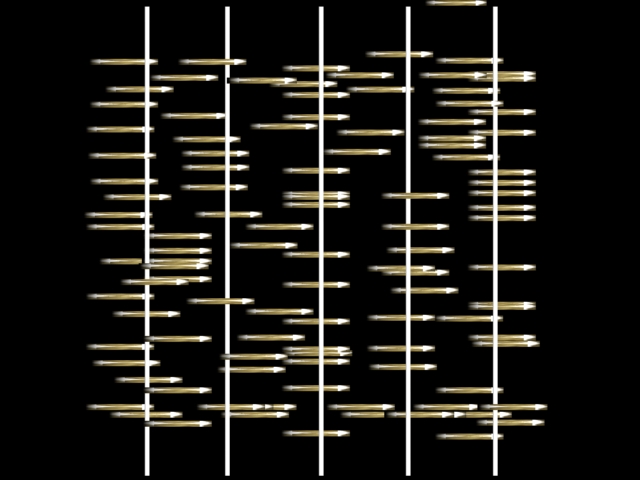
Προσχέδιο εγκατάστασης
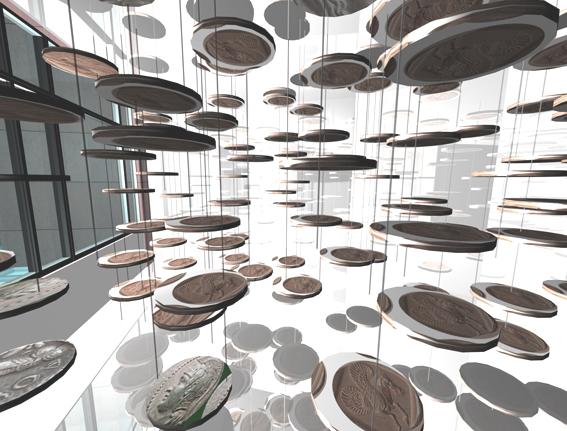
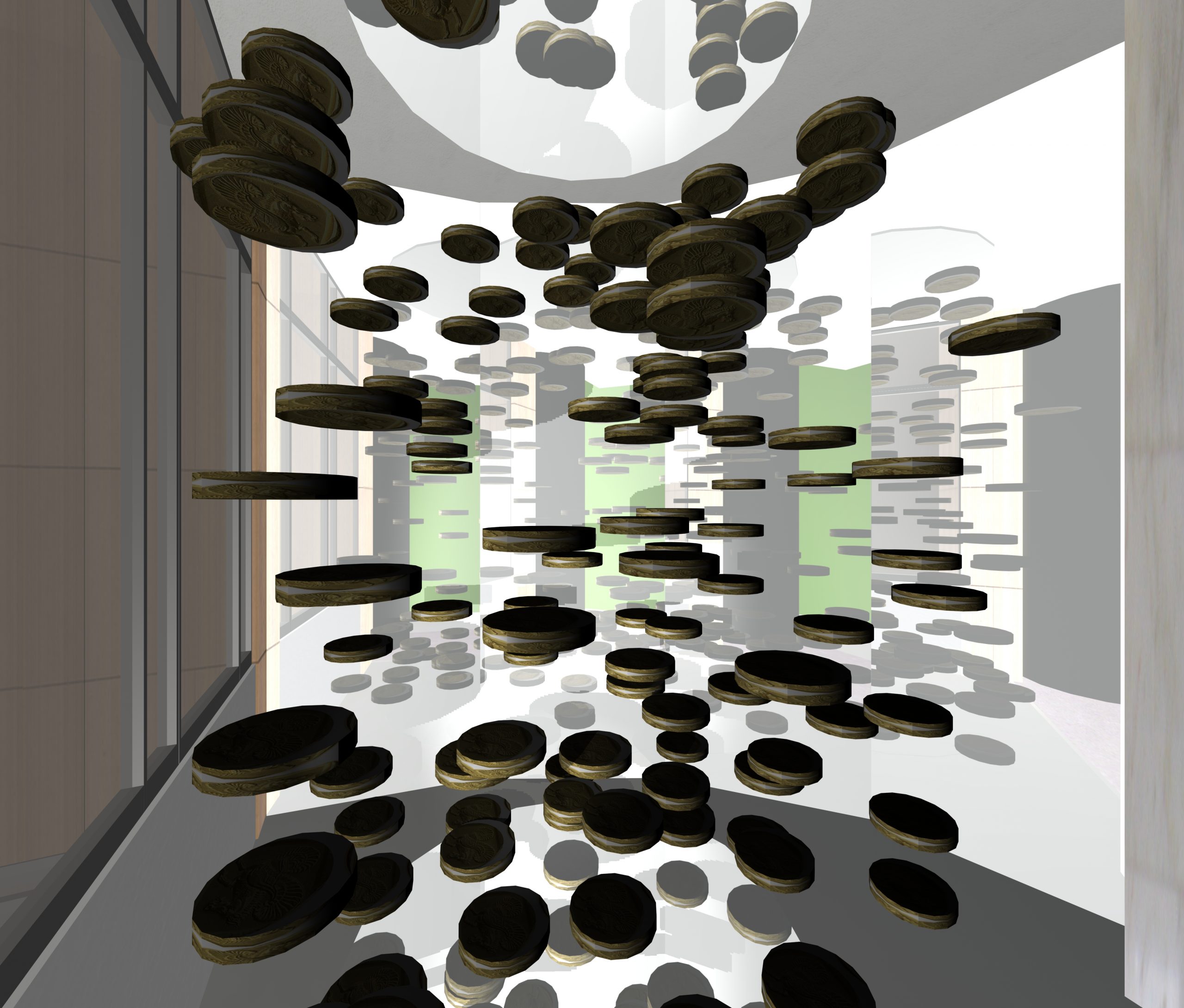
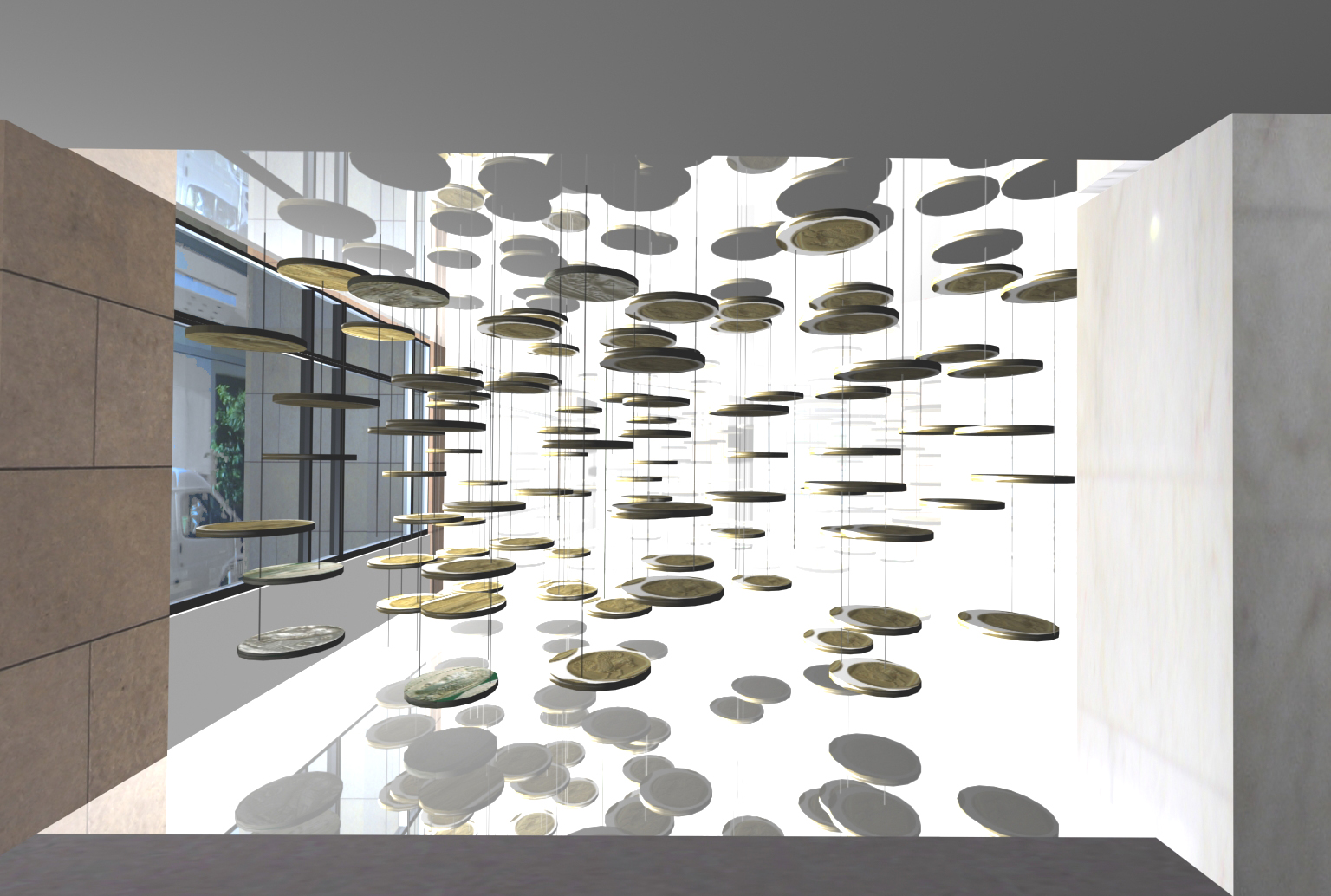
Χιλιάδες κέρματα και σε διαρκή ροή πέφτουν από ψηλά//μεταλικους ήχους που δημιουργούν την αίσθηση της αέναης ροής τους // ήχους που προσπίπτουν στο δάπεδο
Συνεχή ροή χιλιάδων σχεδιασμένων νομισμάτων όχι με το τρόπο που φαίνονται σε αυτή την αναπαράσταση
July 24, 2024
July 23, 2024



July 22, 2024

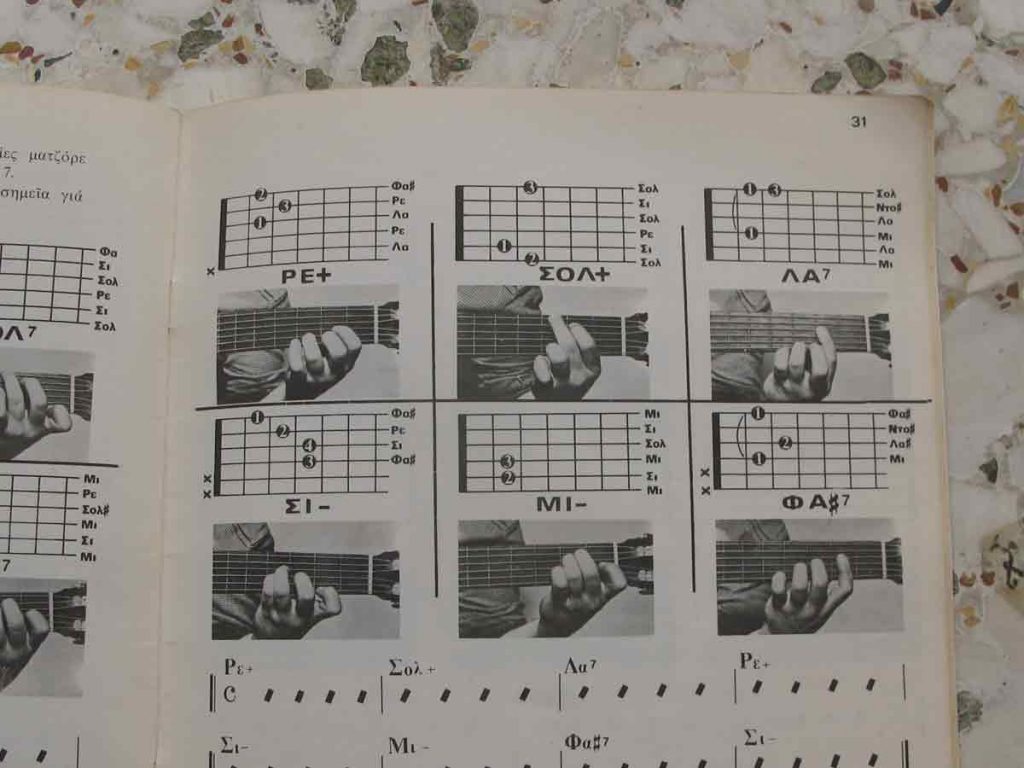
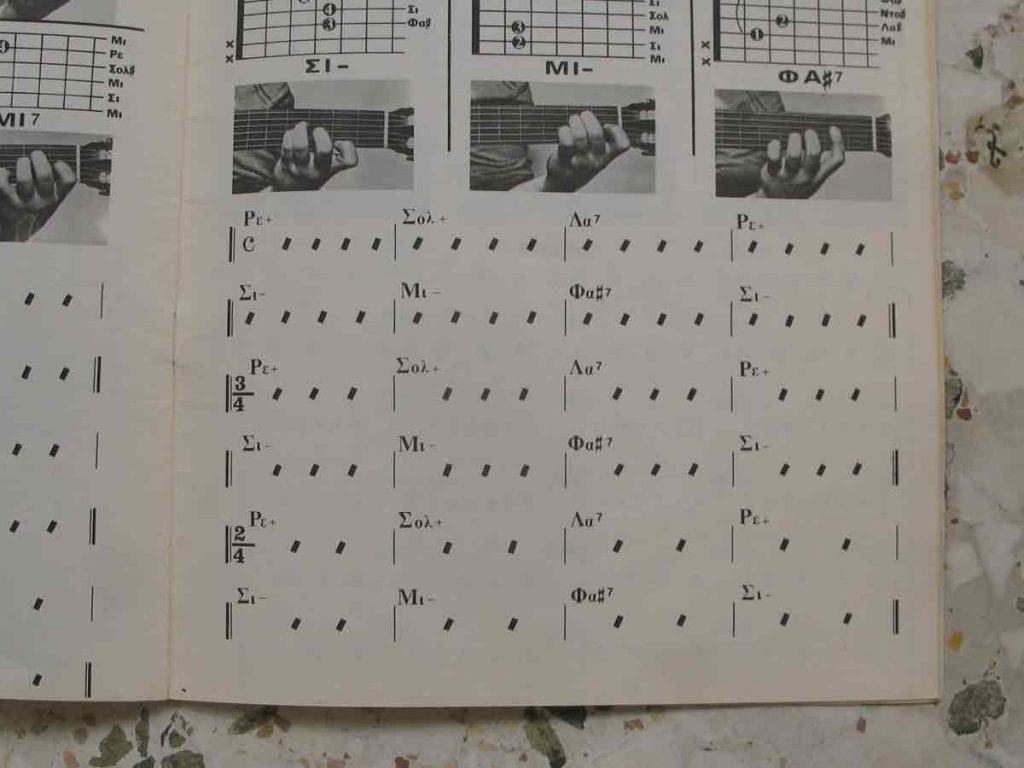

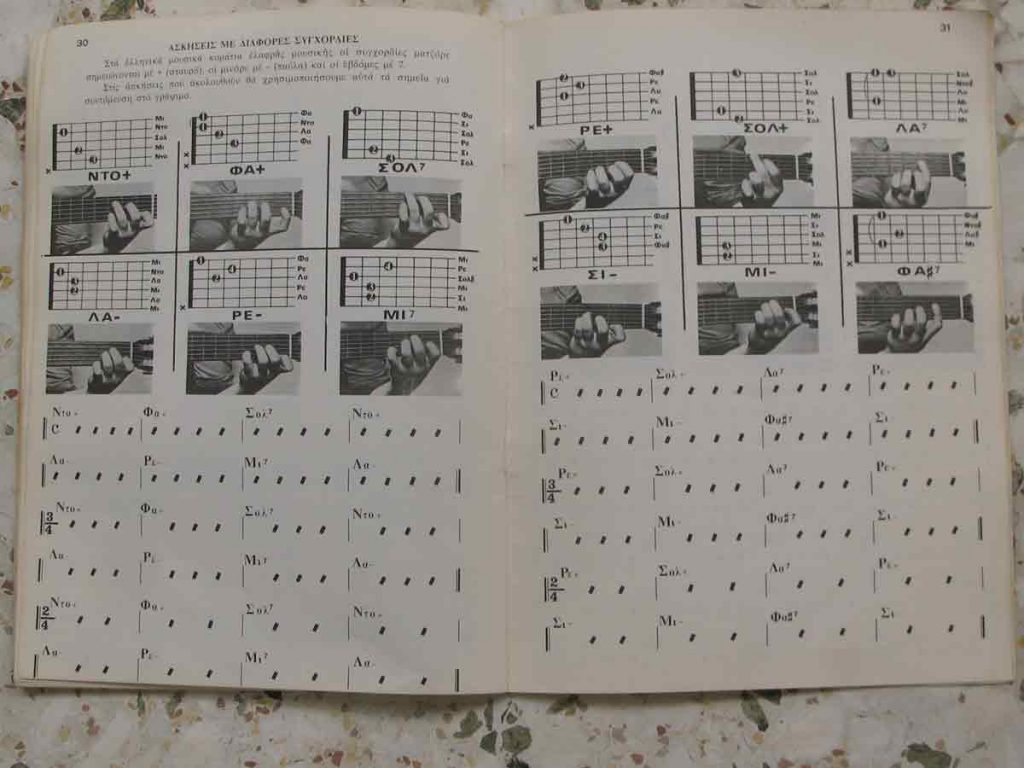
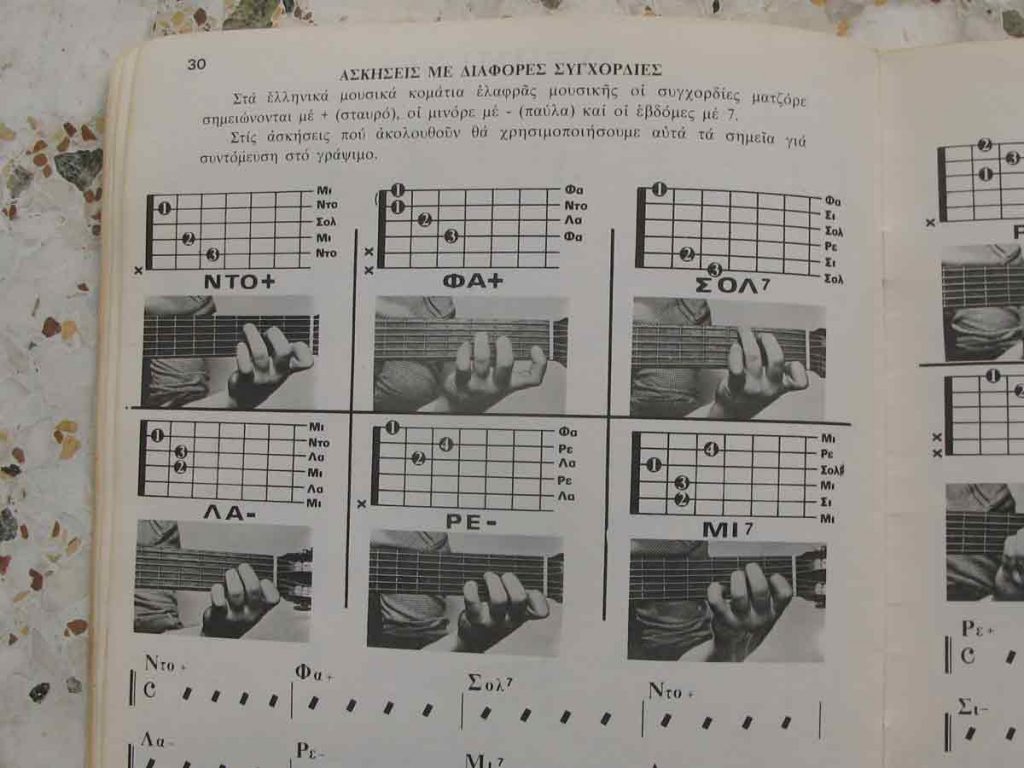
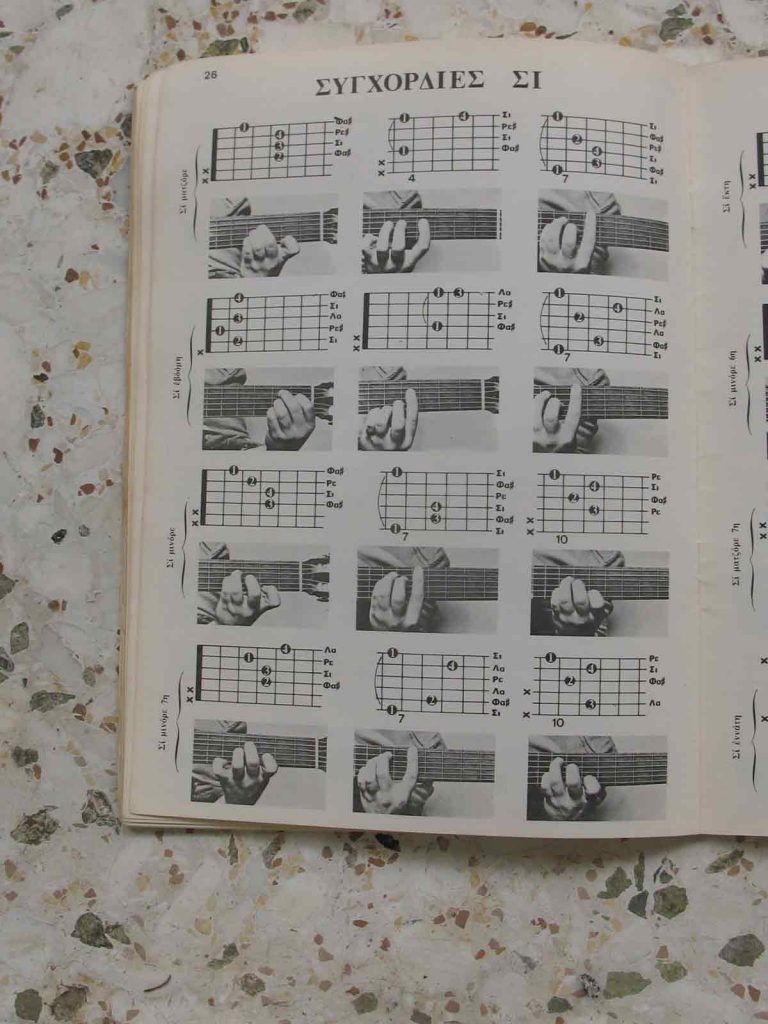
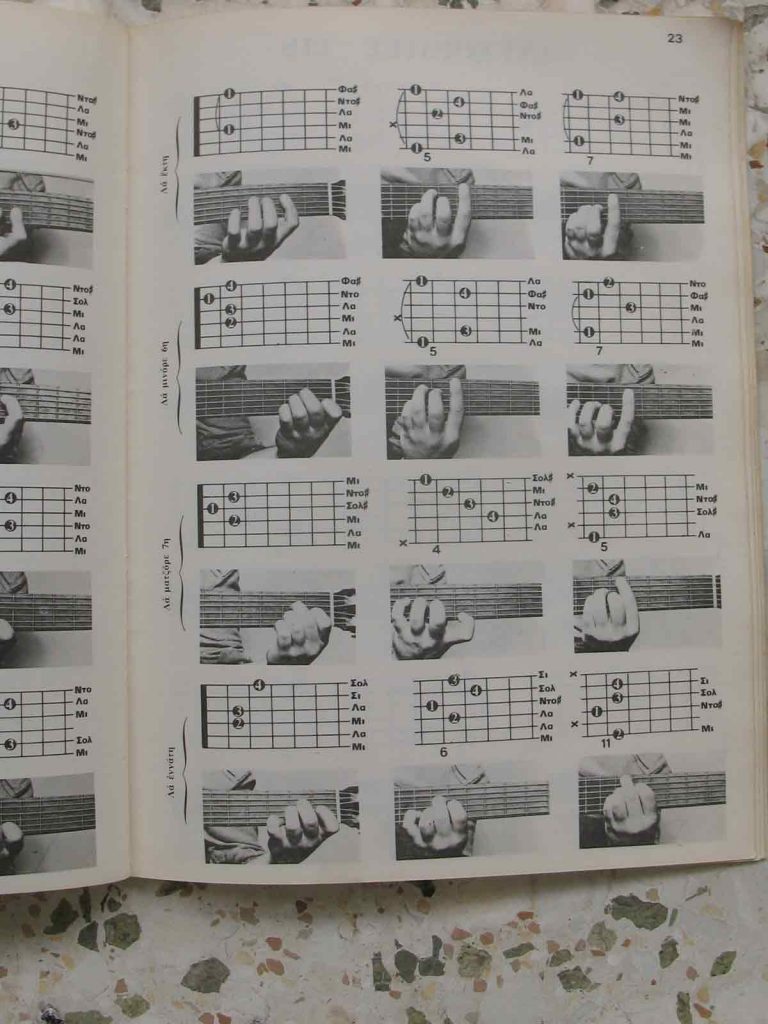
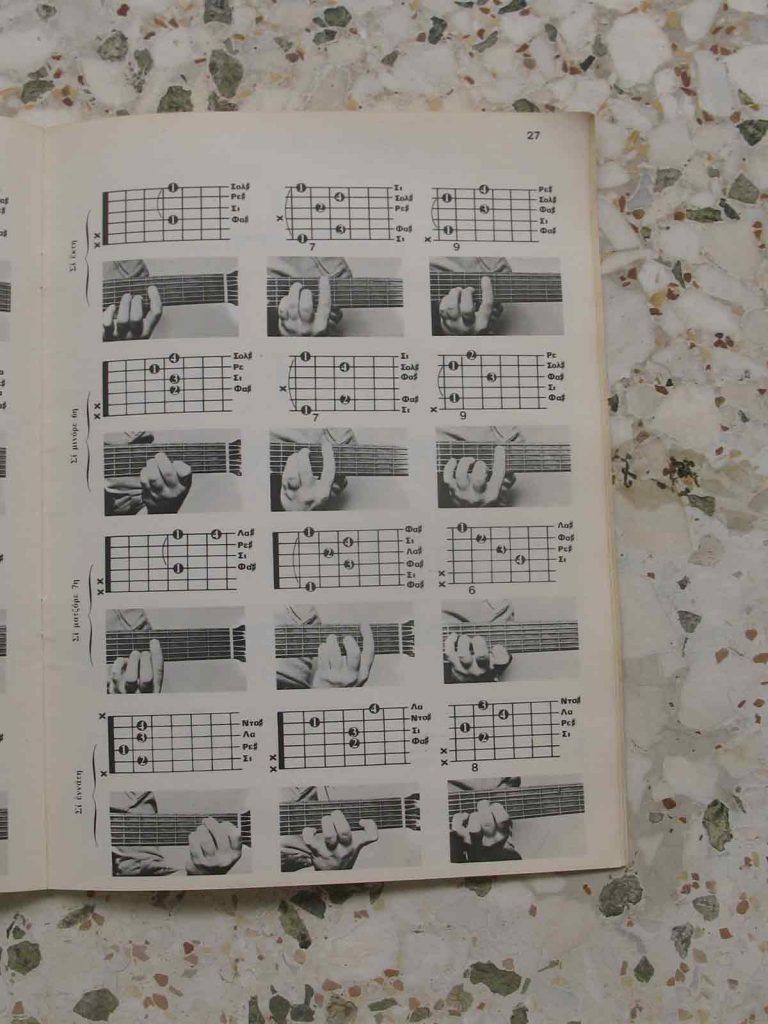
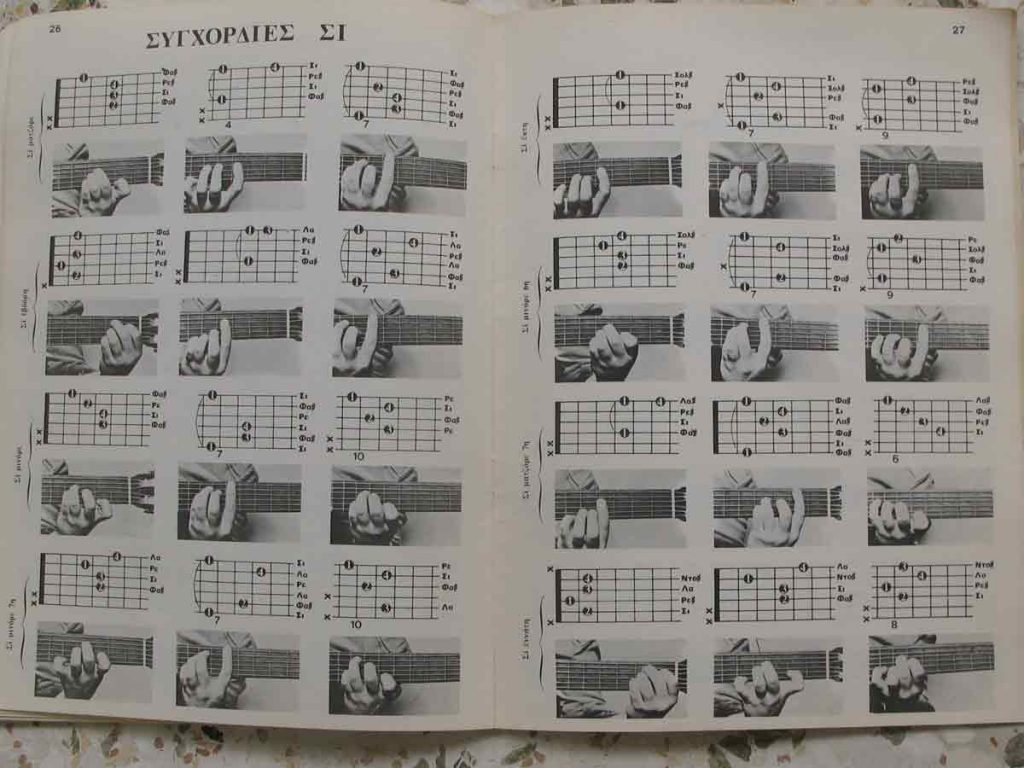


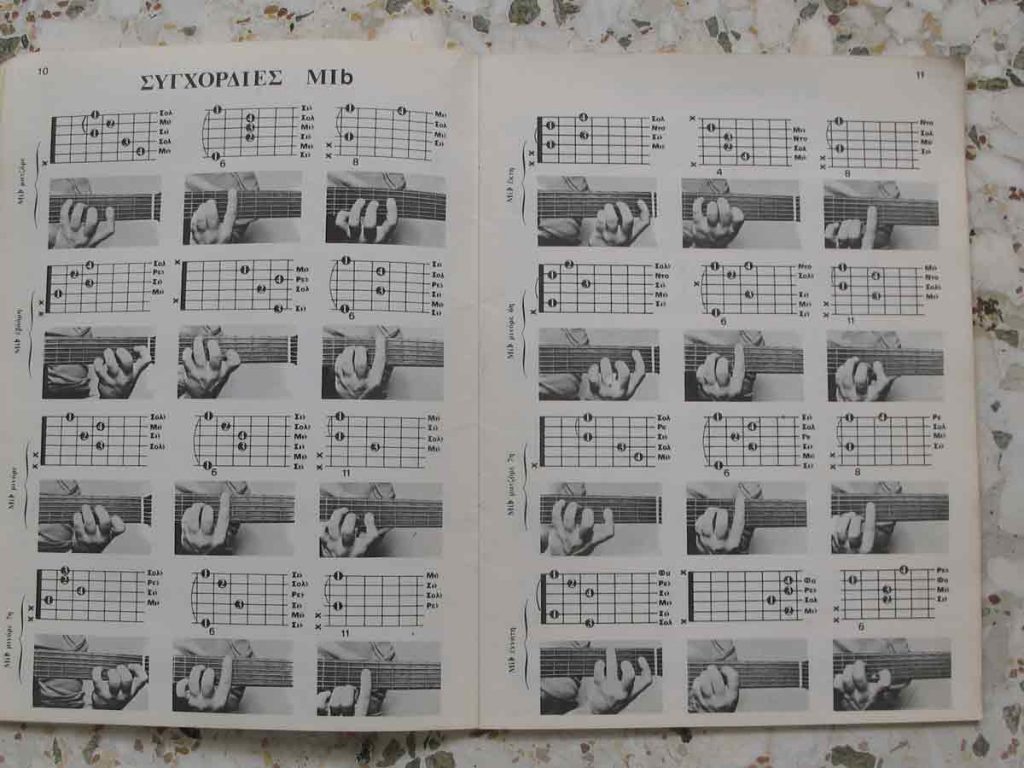
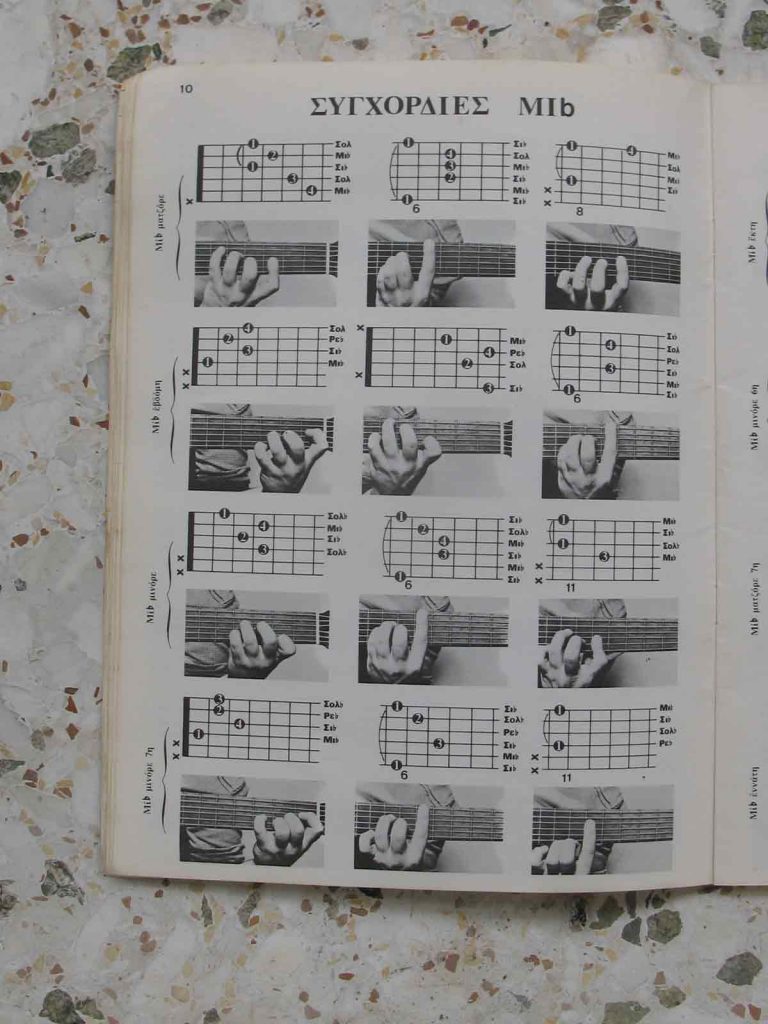
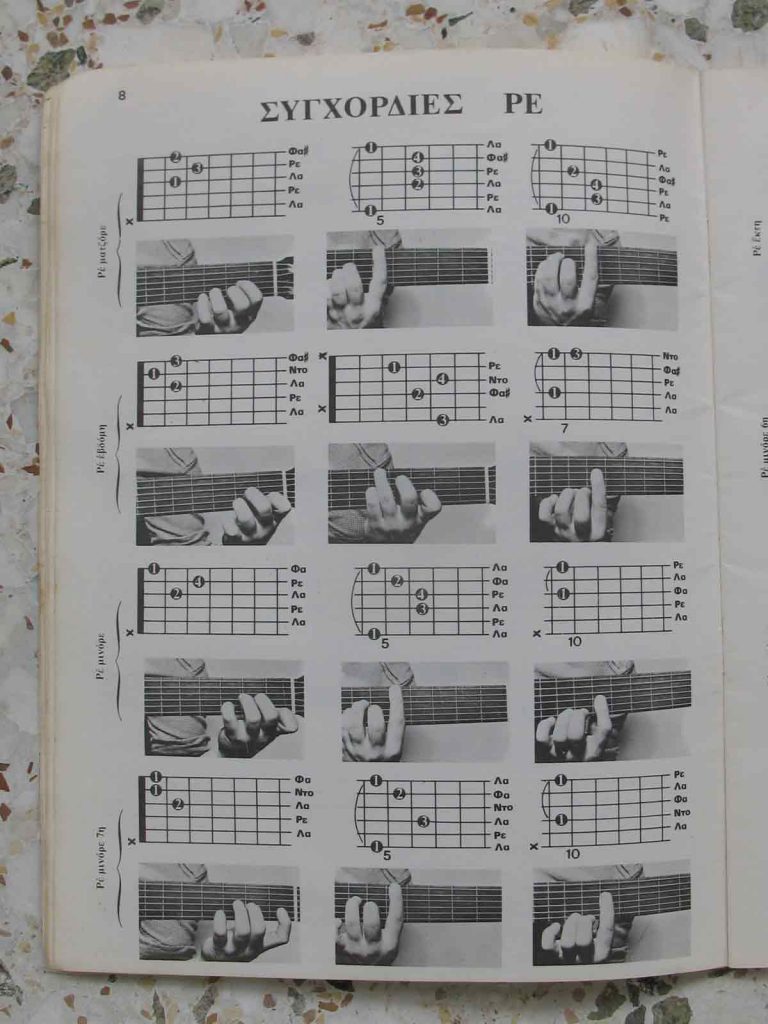
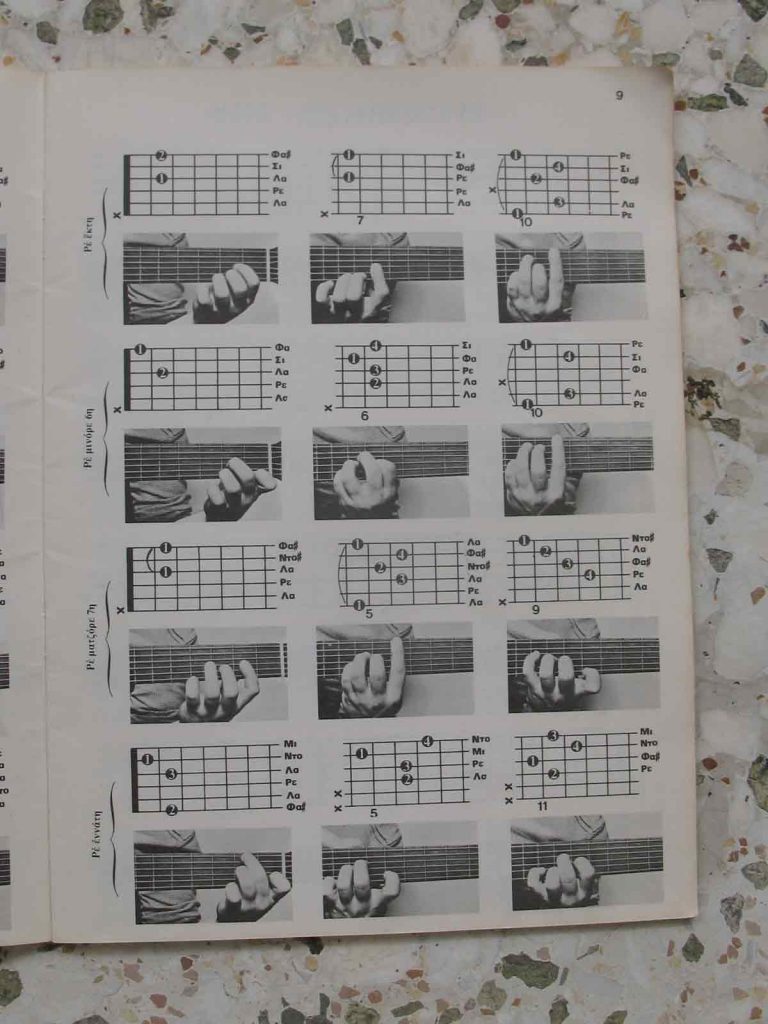





July 21, 2024


July 18, 2024
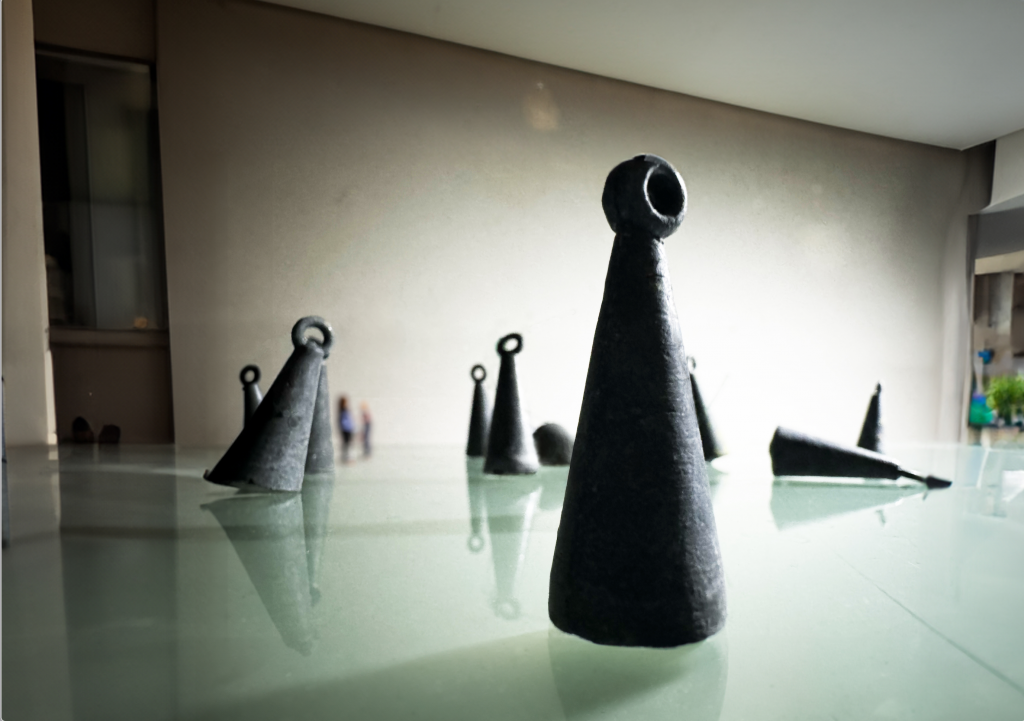

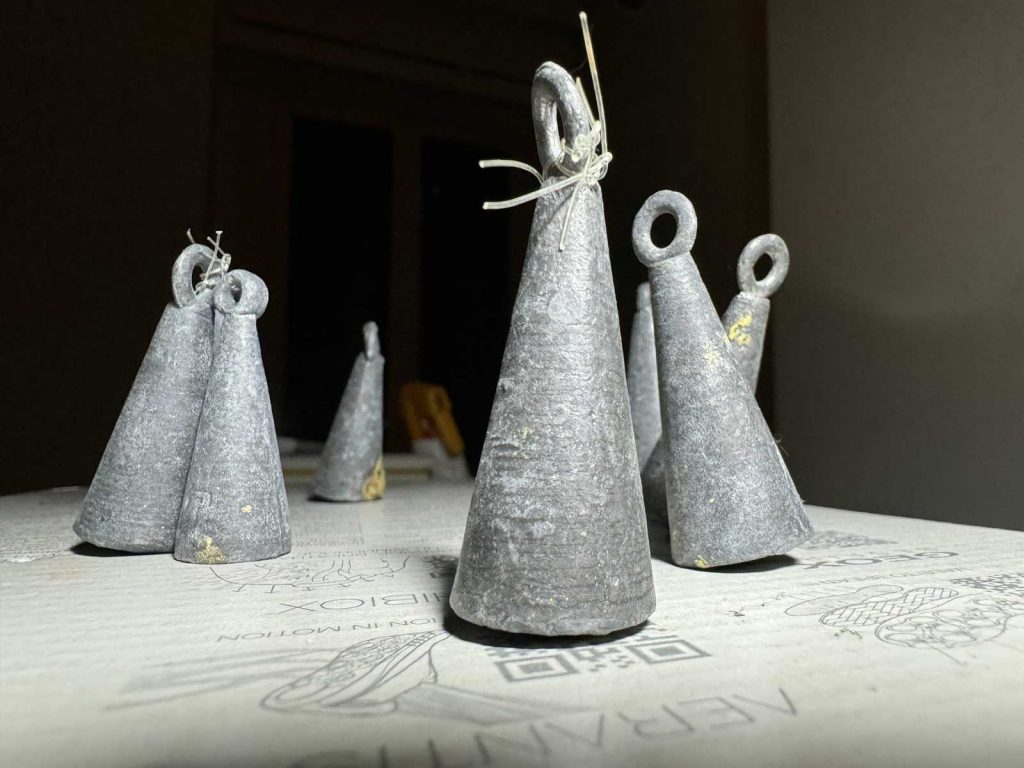
the tenth: the “problem” of aeisthetical descremination
Unknown last frame
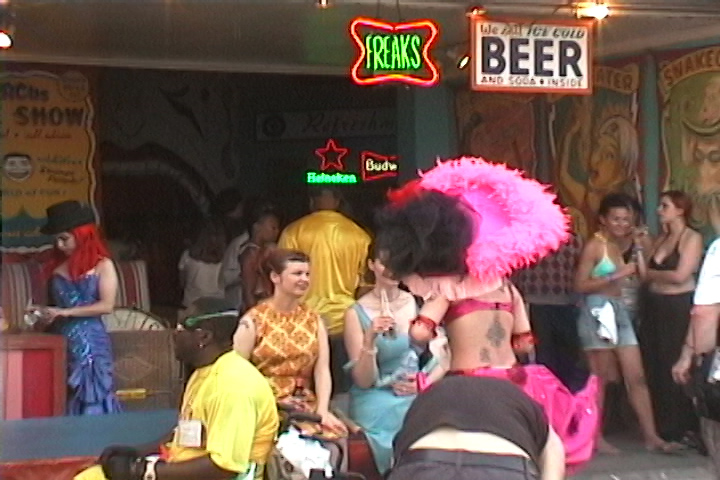
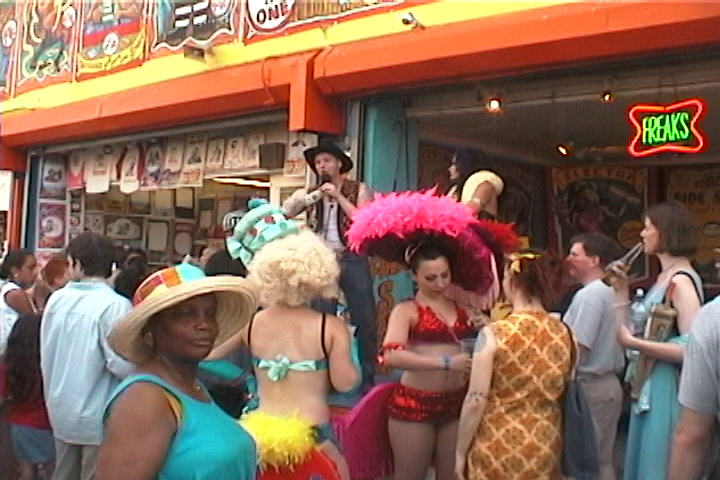
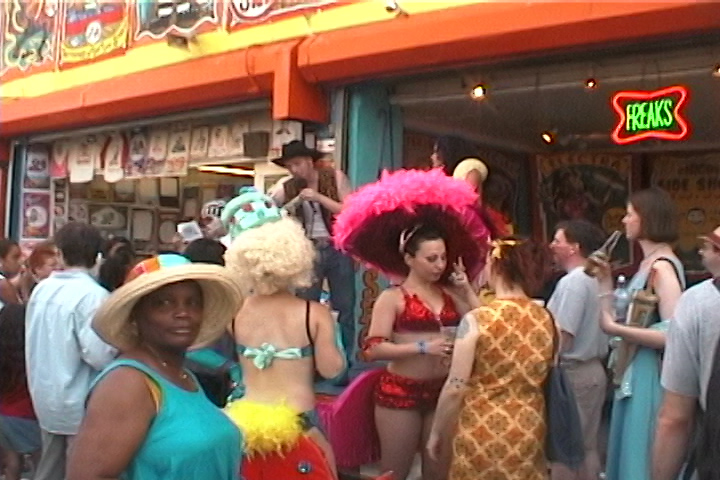
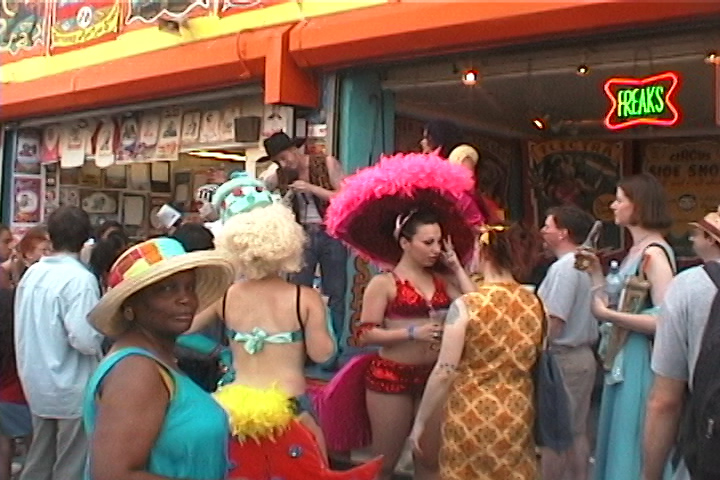
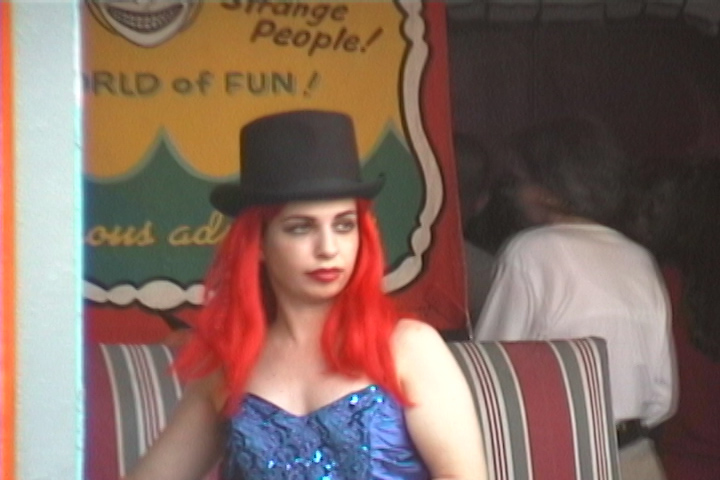
Από τις “αναπαραστάσεις των μουσείων” στα Burlesque and Vaudeville
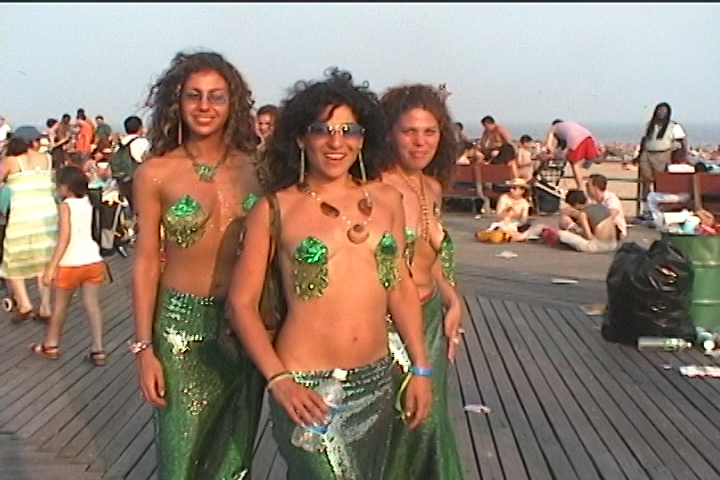
Coney Island Circus Sideshow continues the tradition of circus and sideshow performances, featuring acts that range from the bizarre to the awe-inspiring, keeping the spirit of performance art alive. Burlesque and Vaudeville are forms of entertainment that have also been a staple at Coney Island, contributing to its reputation as a place of spectacle and wonder. Coney Island has been referenced in various songs across different genres. Inspired by Coney Island, evoking its nostalgic and sometimes gritty charm.
the “problem” of aesthetically discrimination
The concept of “aesthetic discrimination” refers to the biases and judgments we make often based on artistic expressions over others. This “problem” arises when aesthetic preferences become exclusionary, reinforcing stereotypes, marginalizing certain groups or perspectives, and perpetuating inequality. Aesthetic discrimination can manifest in various contexts, from art galleries and fashion runways to social interactions and cultural representation. For example, in the art world, works that conform to established norms or trends may be favored over those that challenge conventions, limiting the diversity of artistic expression. In everyday life, individuals may face bias based on their appearance, with societal standards often privileging certain body types, skin tones, or facial features over others. This form of discrimination can be subtle, but its impact is profound. It can contribute to a homogenization of culture, where only certain styles or ideals are celebrated, and others are dismissed or devalued. This not only limits creative diversity but also reinforces broader social hierarchies, where those who do not fit the “preferred” aesthetic mold may face social exclusion or prejudice. Addressing aesthetic discrimination requires a conscious effort to recognize and challenge our own biases. Ιt involves expanding our appreciation for diverse forms of beauty and creativity, fostering environments where all expressions are valued, and promoting inclusivity in all areas of life, from media representation to personal interactions. Ultimately, overcoming the problem of aesthetic discrimination means embracing a broader, more inclusive understanding of beauty—one that celebrates diversity rather than conformity, and that values individuals for who they are, not just how they look.




Η έννοια της «αισθητικής διάκρισης» αναφέρεται στις προκαταλήψεις και τις κρίσεις που κάνουμε συχνά με βάση καλλιτεχνικές εκφράσεις έναντι άλλων. Αυτό το «πρόβλημα» προκύπτει όταν οι αισθητικές προτιμήσεις γίνονται αποκλειστικές, ενισχύοντας στερεότυπα, περιθωριοποιώντας ορισμένες ομάδες ή προοπτικές και διαιωνίζοντας την ανισότητα. Η αισθητική διάκριση μπορεί να εκδηλωθεί σε διάφορα πλαίσια, από γκαλερί τέχνης και πασαρέλες μόδας μέχρι κοινωνικές αλληλεπιδράσεις και πολιτισμική εκπροσώπηση. Για παράδειγμα, στον κόσμο της τέχνης, τα έργα που συμμορφώνονται με καθιερωμένους κανόνες ή τάσεις μπορεί να προτιμώνται έναντι εκείνων που αμφισβητούν τις συμβάσεις, περιορίζοντας έτσι την ποικιλομορφία της καλλιτεχνικής έκφρασης. Στην καθημερινή ζωή, τα άτομα μπορεί να αντιμετωπίζουν προκαταλήψεις βάσει της εμφάνισής τους, με τα κοινωνικά πρότυπα να ευνοούν συχνά συγκεκριμένους σωματότυπους, αποχρώσεις δέρματος ή χαρακτηριστικά προσώπου έναντι άλλων. Αυτή η μορφή διάκρισης μπορεί να είναι λεπτή, αλλά ο αντίκτυπός της είναι βαθύς. Μπορεί να συμβάλει στην ομογενοποίηση του πολιτισμού, όπου μόνο ορισμένα στυλ ή ιδανικά γιορτάζονται, ενώ άλλα απορρίπτονται ή υποτιμώνται. Αυτό όχι μόνο περιορίζει τη δημιουργική πολυμορφία αλλά και ενισχύει ευρύτερες κοινωνικές ιεραρχίες, στις οποίες όσοι δεν ταιριάζουν στο «προτιμώμενο» αισθητικό πρότυπο μπορεί να αντιμετωπίσουν κοινωνικό αποκλεισμό ή προκατάληψη. Η αντιμετώπιση της αισθητικής διάκρισης απαιτεί συνειδητή προσπάθεια για την αναγνώριση και την αμφισβήτηση των δικών μας προκαταλήψεων. Περιλαμβάνει την επέκταση της εκτίμησής μας για διαφορετικές μορφές ομορφιάς και δημιουργικότητας, τη διαμόρφωση περιβαλλόντων όπου όλες οι εκφράσεις εκτιμώνται και την προώθηση της ενσωμάτωσης σε όλους τους τομείς της ζωής, από την εκπροσώπηση στα μέσα ενημέρωσης μέχρι τις προσωπικές αλληλεπιδράσεις. Τελικά, η υπέρβαση του προβλήματος της αισθητικής διάκρισης σημαίνει την αποδοχή μιας ευρύτερης, πιο συμπεριληπτικής κατανόησης της ομορφιάς—μιας κατανόησης που γιορτάζει την ποικιλομορφία αντί της συμμόρφωσης και που εκτιμά τα άτομα για το ποιοι είναι, όχι μόνο για το πώς φαίνονται.
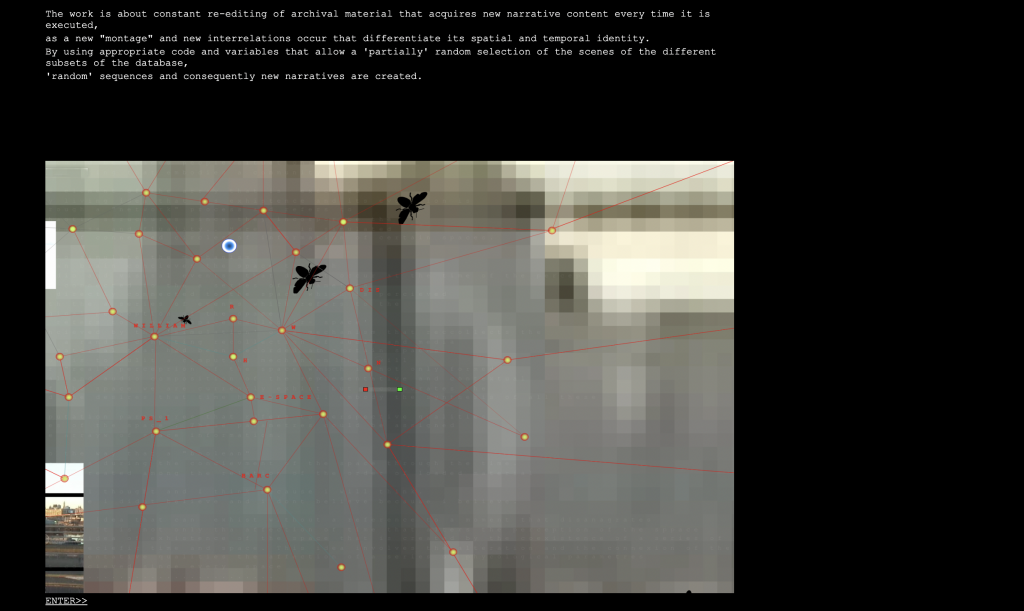
Οπτικοακουστικό υλικό στη διάρκεια των χρόνων 1997-2001. . Η επανερμηνεία και η νέα συγρότηση της μνήμης έχει να κάνει με την επανασύνταξη της. Αν στον κινηματογράφο είναι το μοντάζ αυτό που δημιουργεί τα νοήματα, στην διαδραστική αφήγηση του οπτικοακουστικού αρχείου είναι ότι εκτελείται από τον αλγόριθμο που προσδιορίζει συνεχώς νεες ακολουθίες αφήγησης και επανερμηνείας και τουθ οπτικού και του ηχητικού υλικού
July 17, 2024
«Ποιός μου κόβει τα καλά δέντρα;» Έλαβε αμέσως της Νικίππης τη μορφή, που ιέρεια οι πολίτες δημόσια την ορίσανε, κι αφού πήρε στα χέρια στεφάνια, παπαρούνες και στον ώμο κρέμασε κλειδί,είπε, να μαλακώσει τον κακό κι αναίσχυντο άντρα:«Παιδί μου, που τα δέντρα κόβεις τ᾽ αφιερωμένα στους θεούς,παιδί μου ησύχασε, αγαπημένο τέκνο στους γονείς σου, πάψε, και τους βοηθούς σου απότρεψε μην κι οργιστεί η Δήμητρα η Σεβάσμια, τον ιερό της τόπο που ξεκάνεις».
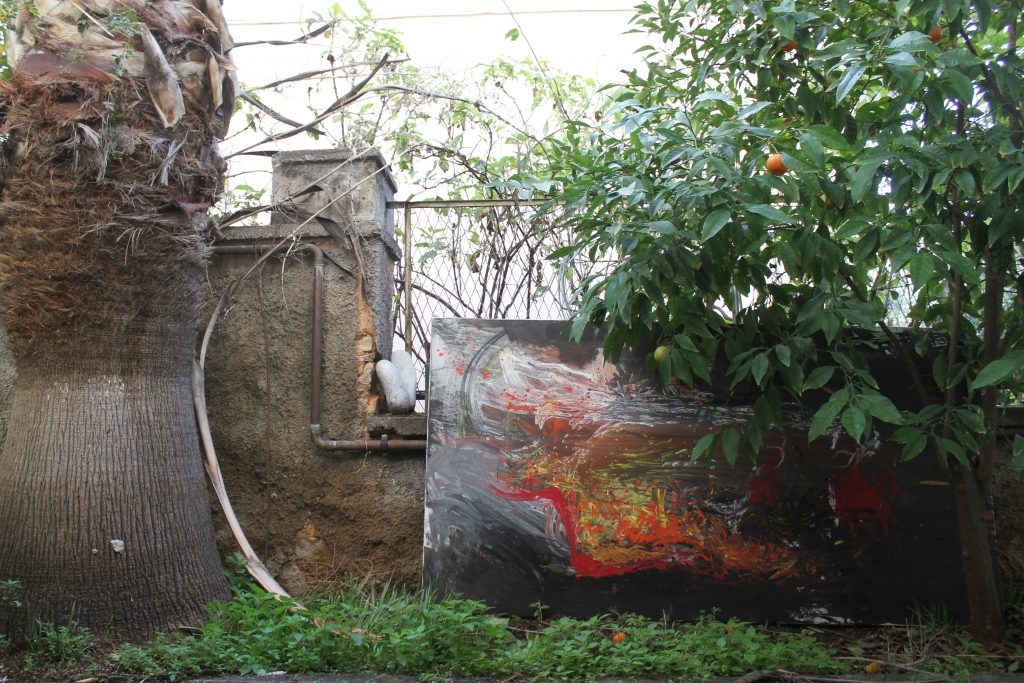
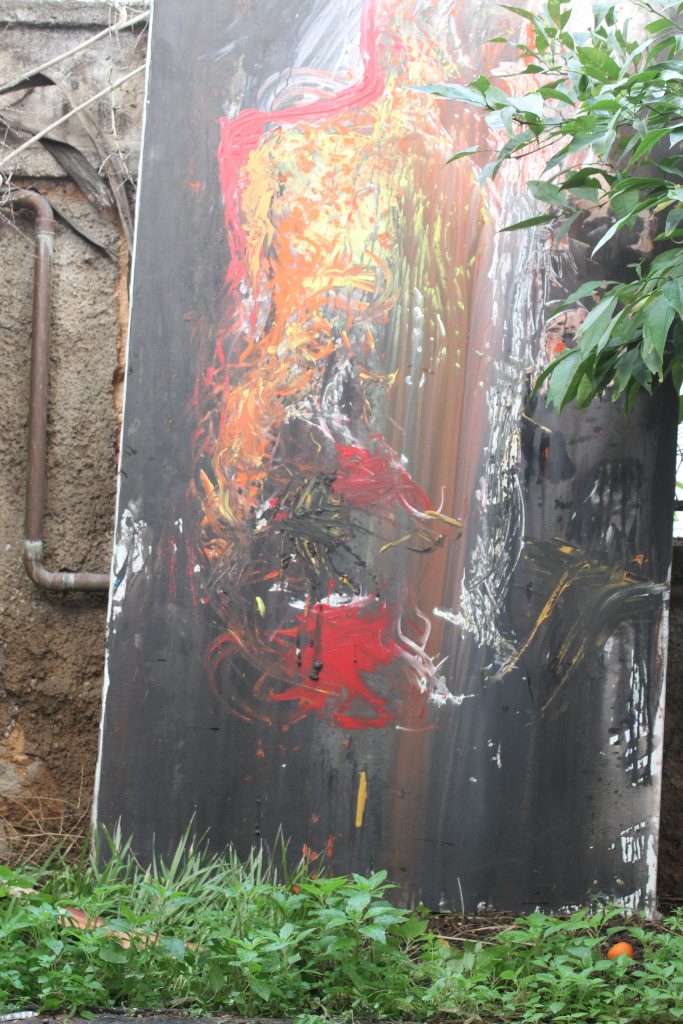
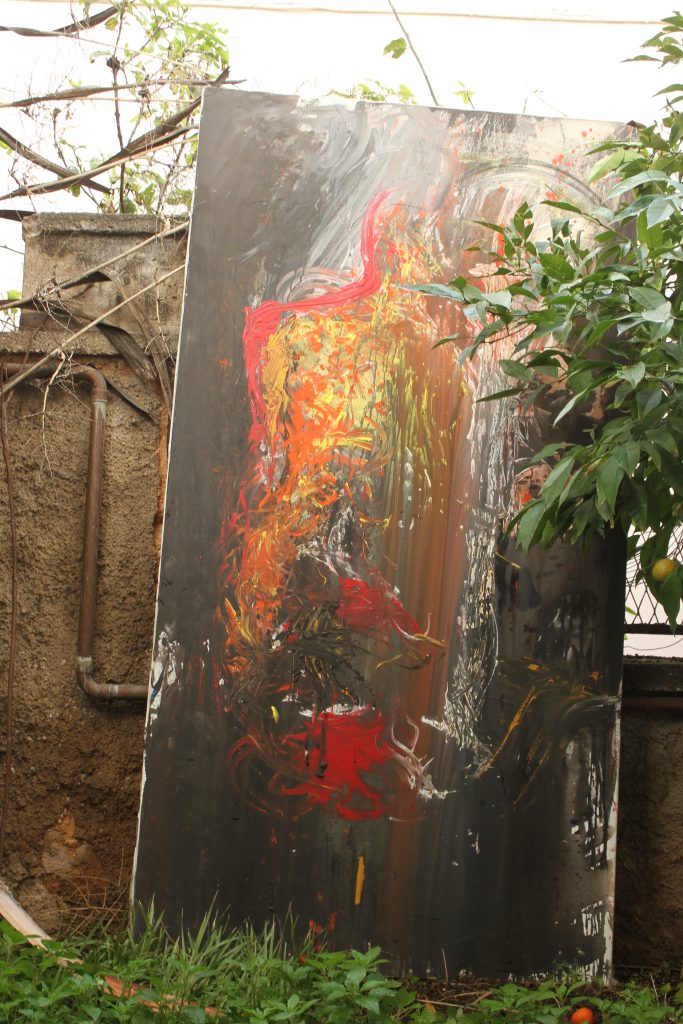
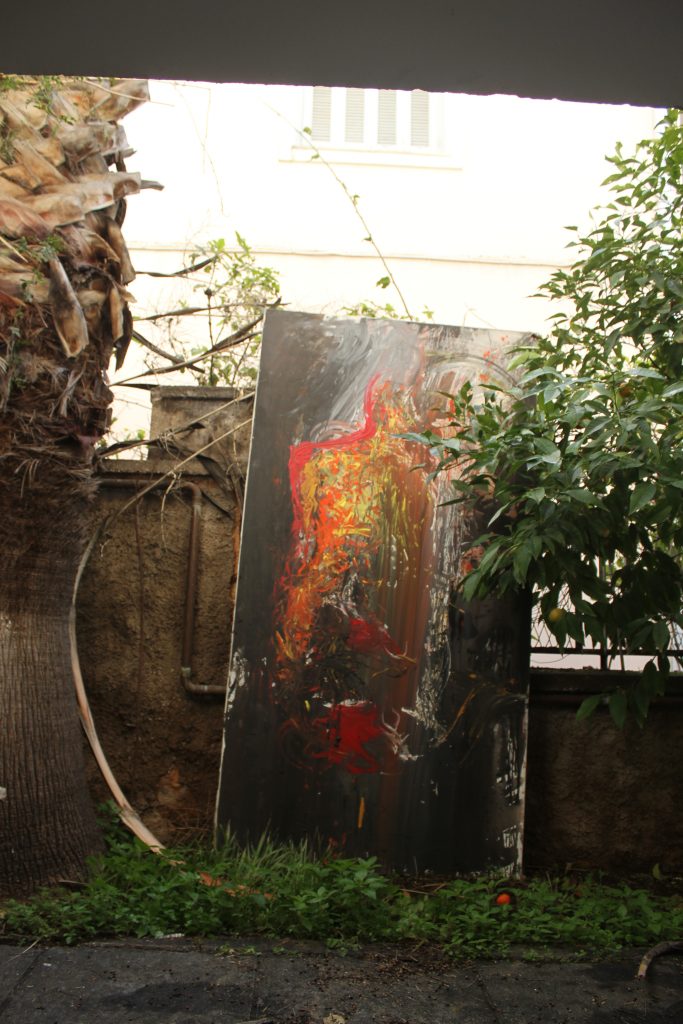
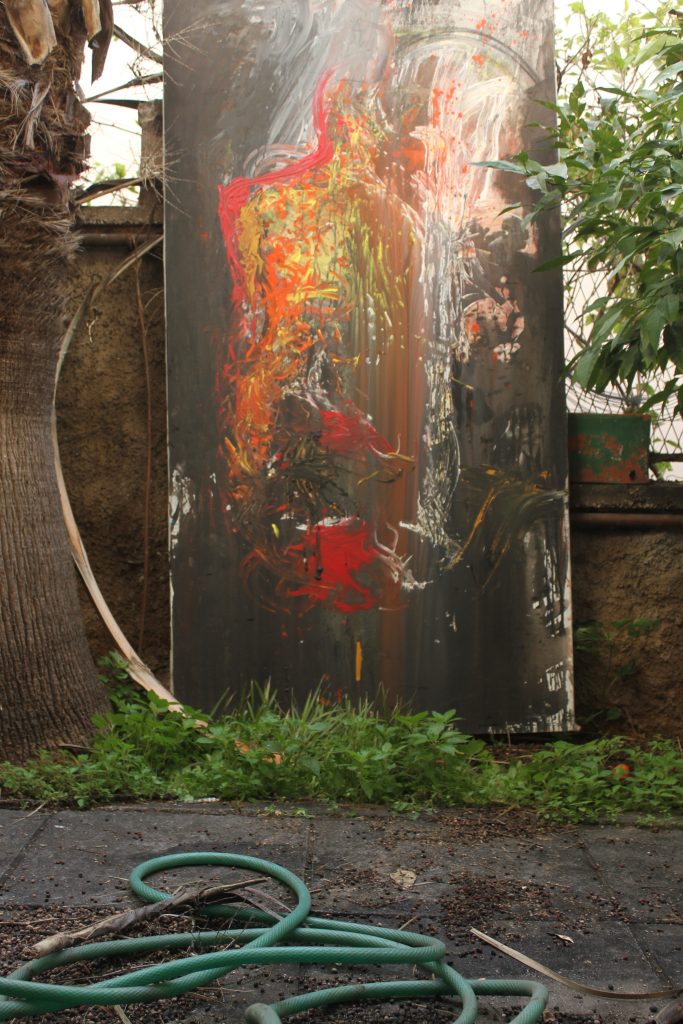
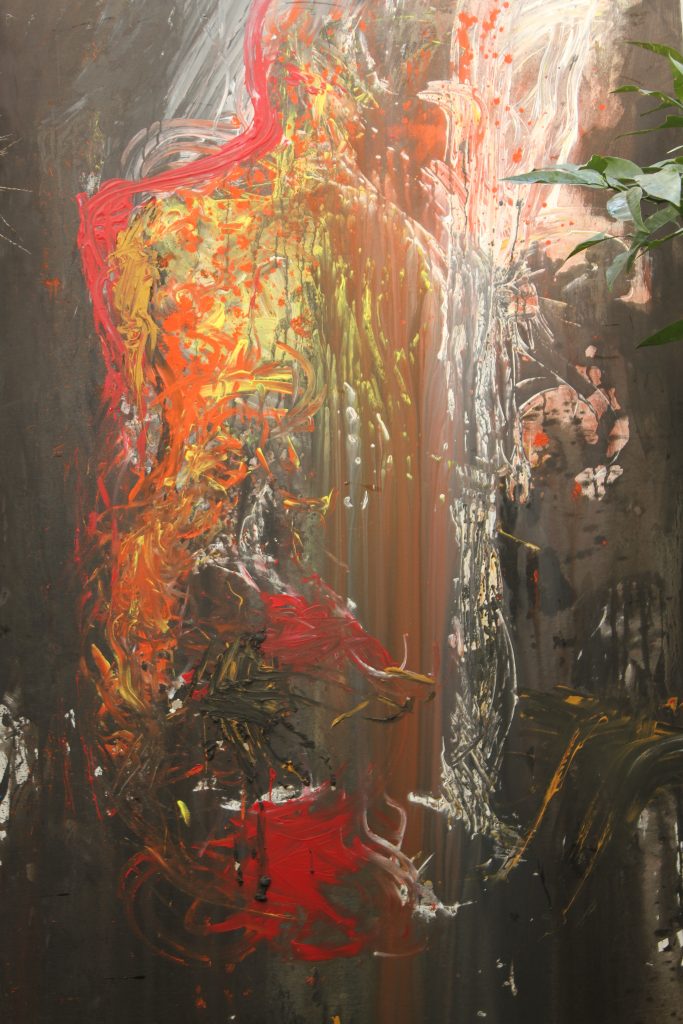
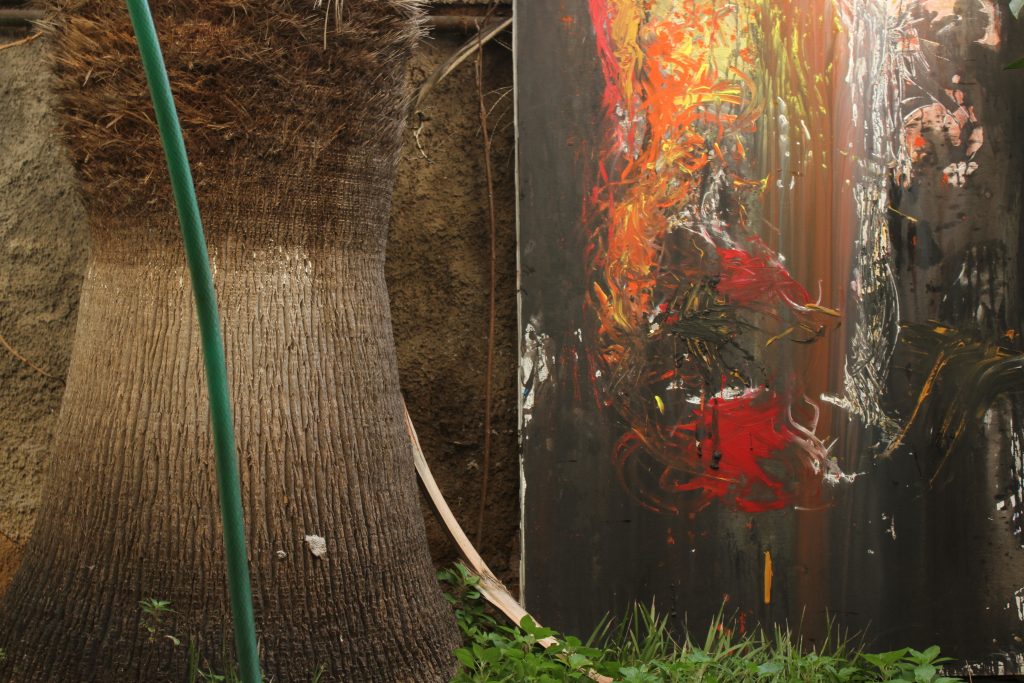
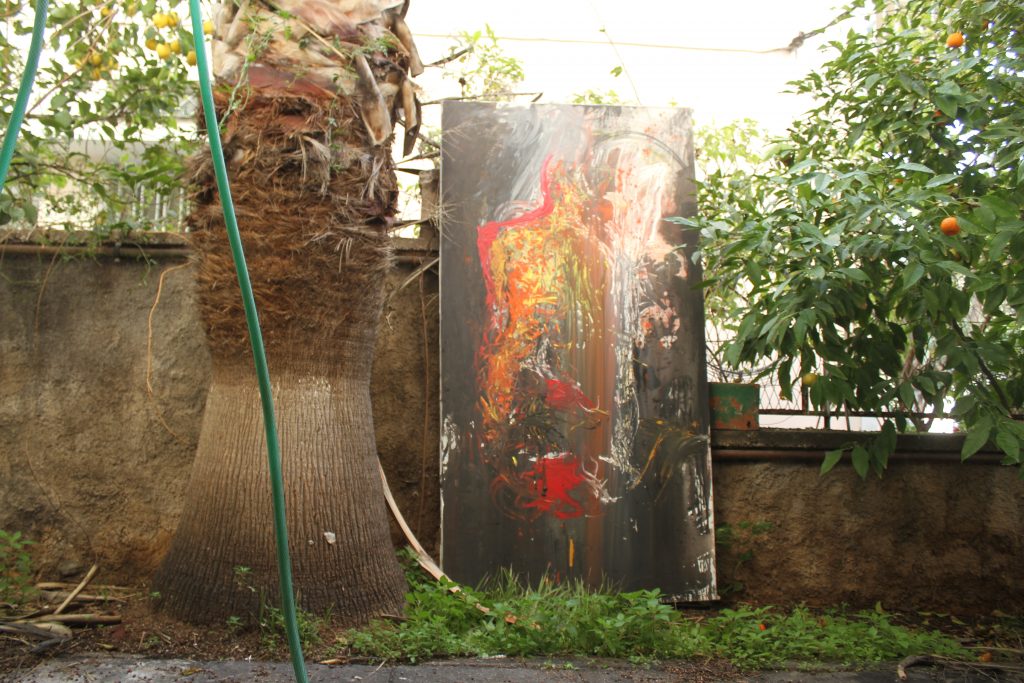

annals of creation
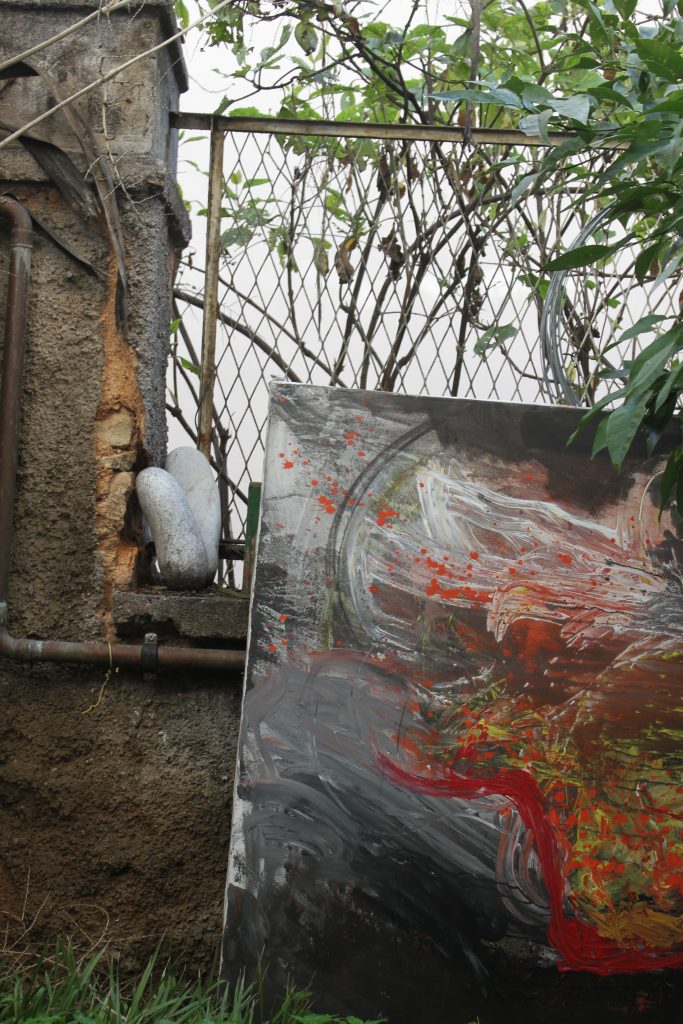
The term “annals of creation” can be interpreted in various ways depending on the context, but generally, it refers to historical or mythological records detailing the origins and formation of the universe, the Earth, and life. These accounts can be found in religious texts, ancient myths, scientific theories, and artistic representations. Below is an exploration of different perspectives on the annals of creation: 1. Religious and Mythological Accounts 1.1 Biblical Creation (Judeo-Christian Tradition) Genesis: The Book of Genesis in the Bible describes the creation of the world in six days by God. It begins with “In the beginning, God created the heavens and the earth” and details the formation of light, the sky, land, vegetation, celestial bodies, animals, and finally, humans. 1.2 Hindu Creation Vedas and Puranas: Hindu scriptures like the Rigveda and various Puranas offer multiple creation stories. One account describes the universe emerging from a cosmic egg (Hiranyagarbha), while another involves the god Vishnu creating the world from his navel, from which a lotus flower emerges, carrying Brahma, the creator. 1.3 Greek Mythology Theogony by Hesiod: This ancient Greek text outlines the origins of the gods and the creation of the world, starting from Chaos, followed by the emergence of Gaia (Earth), Tartarus, and Eros (Love). (!! )It describes the birth of various deities and the formation of the cosmos. 1.4 Norse Mythology Prose Edda: The Norse creation story involves the primordial void Ginnungagap, the emergence of the first beings Ymir and Audhumla, and the subsequent creation of the world from Ymir’s body by the gods Odin, Vili, and Vé. 2. Scientific Theories 2.1 Big Bang Theory Cosmology: The Big Bang Theory is the leading scientific explanation for the origin of the universe. It posits that the universe began as an extremely hot and dense singularity approximately 13.8 billion years ago and has been expanding ever since. 2.2 Evolutionary Biology Charles Darwin’s Theory of Evolution: This scientific theory explains the diversity of life on Earth through natural selection. It describes how life evolved from simple organisms to more complex forms over billions of years. 2.3 Abiogenesis Origin of Life: Abiogenesis is the study of how life on Earth could have arisen from non-living matter. Various hypotheses exist, including the primordial soup theory, which suggests that life began in a “soup” of organic molecules in the early Earth’s oceans. 3. Artistic Representations 3.1 Literature John Milton’s “Paradise Lost”: This epic poem explores the biblical story of the Fall of Man, beginning with the rebellion of Satan and the creation of Earth and mankind by God. 3.2 Visual Arts Michelangelo’s “The Creation of Adam”: A famous fresco on the ceiling of the Sistine Chapel, depicting God giving life to Adam, the first man, symbolizing the moment of creation according to the Bible. 3.3 Modern Media Films and Series: Movies like “The Tree of Life” and series like “Cosmos” explore themes of creation from both spiritual and scientific perspectives, blending narrative and documentary styles to convey complex ideas about the origins of the universe and life. 4. Philosophical Perspectives 4.1 Existentialism Meaning of Creation: Philosophers like Jean-Paul Sartre and Friedrich Nietzsche have explored existential questions about the meaning of creation and existence, often challenging traditional religious and scientific narratives. 4.2 Cosmology and Metaphysics Nature of Reality: Philosophical inquiries into cosmology and metaphysics examine the nature of reality, the existence of the universe, and the fundamental principles that govern creation and existence.
Conclusion
The annals of creation encompass a rich tapestry of stories, theories, and artistic expressions that seek to explain the origins of the universe, the Earth, and life itself. Whether through religious texts, mythological tales, scientific theories, or artistic works, humanity has long been fascinated by the question of how everything began. These diverse perspectives not only reflect our quest for knowledge but also our need to find meaning and understanding in the vastness of existence.
notebooks in electronic art
Electronic notebooks in the realm of electronic art serve as a medium for artists to document their creative process, experiment with digital tools, and present their works interactively. These notebooks can take various forms, from interactive multimedia documents to specialized software platforms designed for creative coding and digital art creation.
1. Introduction to Electronic Art Notebooks
Electronic art notebooks blend traditional notebook functionalities with digital tools, allowing artists to:
- Document ideas, sketches, and notes digitally.
- Integrate multimedia elements such as images, audio, and video.
- Use interactive elements to demonstrate dynamic processes or animations.
- Collaborate and share work in progress easily.
2. Types of Electronic Art Notebooks
2.1 Digital Sketchbooks
- Software Examples: Procreate, Adobe Fresco
- Features:
- Touch and stylus support for drawing and painting.
- Layer management for complex compositions.
- Integration with other creative software and cloud storage.
2.2 Interactive Coding Notebooks
- Software Examples: Jupyter Notebooks, Processing, p5.js
- Features:
- Support for creative coding languages (Python, JavaScript).
- Embedding of live code, visualizations, and interactive elements.
- Easy sharing and collaboration through platforms like GitHub.
2.3 Multimedia Journals
- Software Examples: Evernote, OneNote, Notion
- Features:
- Support for various media types (text, images, audio, video).
- Organizational tools like tags, folders, and links.
- Collaboration features for team projects.
3. Uses of Electronic Art Notebooks
3.1 Creative Process Documentation
- Sketching and Prototyping: Using digital sketchbooks to brainstorm and refine ideas.
- Code and Algorithm Documentation: Utilizing interactive coding notebooks to experiment with generative art algorithms and document the code.
3.2 Education and Workshops
- Interactive Tutorials: Creating step-by-step guides with embedded examples and exercises.
- Collaborative Learning: Sharing notebooks with students or peers for collaborative projects and feedback.
3.3 Presentation and Exhibition
- Digital Portfolios: Compiling works into an interactive and multimedia-rich portfolio.
- Interactive Installations: Using coding notebooks to create and control live art installations.
4. Examples of Electronic Art Notebooks
4.1 Jupyter Notebooks for Creative Coding
- Description: Jupyter Notebooks allow artists to write and execute code in Python, visualizing outputs directly within the notebook.
- Applications: Generative art, data visualization, algorithmic music composition.
4.2 Procreate for Digital Illustration
- Description: Procreate is a digital sketchbook app for iPad, offering powerful drawing and painting tools.
- Applications: Concept art, digital painting, animation.
4.3 Notion for Multimedia Projects
- Description: Notion is an all-in-one workspace that supports embedding multimedia, organizing content, and collaborating.
- Applications: Project management, multimedia journals, collaborative art projects.
5. Advantages of Electronic Art Notebooks
- Versatility: Combining various media types and tools in one platform.
- Accessibility: Easy sharing and collaboration over the internet.
- Interactivity: Enabling dynamic content like animations, interactive plots, and live coding.
6. Conclusion
Electronic art notebooks provide artists with a versatile and powerful medium to document their creative process, experiment with digital tools, and present their work interactively. By integrating traditional art practices with modern technology, these notebooks open up new possibilities for creativity and collaboration in the digital age.
travma and twins towers catastrophe
The tragedy of the Twin Towers, part of the World Trade Center complex in New York City, remains one of the most significant and traumatic events in modern history. On September 11, 2001, a series of coordinated terrorist attacks by the extremist group al-Qaeda resulted in the destruction of the Twin Towers, leading to nearly 3,000 deaths and countless injuries. This event left a profound impact on the global community and had far-reaching consequences. The catastrophe on 9/11 was a defining moment in history, leaving a legacy of trauma, change, and a collective determination to remember and honor the lives lost. The psychological and societal impacts continue to be felt, underscoring the importance of resilience, unity, and remembrance in the face of tragedy.
Immediate Psychological Responses:
Shock and Disbelief: Many people initially experienced shock and disbelief, unable to comprehend the scale of the disaster.Fear and Anxiety: There was widespread fear and anxiety about further attacks and concerns for personal safety.Grief and Mourning: The loss of lives led to profound grief, not only among the families and friends of the victims but also among the general public.
Long-Term Psychological Effects:
Post-Traumatic Stress Disorder (PTSD): Many survivors, first responders, and witnesses developed PTSD, characterized by flashbacks, severe anxiety, and uncontrollable thoughts about the event.Depression: The sense of loss and the scale of the tragedy led to increased rates of depression among those directly and indirectly affected.Survivor’s Guilt: Individuals who survived or were not directly affected by the attacks often experienced feelings of guilt for surviving when so many others did not.
Community and Societal Impact:
Heightened Security Concerns: The attacks led to a significant increase in security measures, affecting daily life and contributing to a sense of ongoing vulnerability.Racial and Religious Tensions: There was an increase in racial and religious profiling, particularly targeting Muslim communities, leading to social and cultural tensions.Resilience and Unity: Despite the trauma, there was also a significant sense of resilience and unity. Communities came together to support each other, and there were many acts of heroism and kindness in the aftermath.
Memorials and Remembrance
- Ground Zero and the 9/11 Memorial:
- The site where the Twin Towers once stood, known as Ground Zero, has been transformed into a memorial and museum dedicated to honoring the victims of the attacks.
- The 9/11 Memorial features two reflecting pools set in the footprints of the original towers, with the names of all the victims inscribed around the edges.
- Annual Remembrance Events:
- Every year on September 11, memorial services and moments of silence are observed to honor the lives lost and the heroism displayed on that day.
- Various events, including the Tribute in Light, where two beams of light are projected into the sky to symbolize the Twin Towers, help keep the memory of the event alive.
- Global Impact:
- The attacks had a global impact, leading to changes in international policies, increased anti-terrorism efforts, and a reevaluation of global security strategies.
- The solidarity shown by countries around the world, through acts of support and memorials, highlighted the universal condemnation of terrorism and the shared grief.








July 16, 2024



July 15, 2024
- Obverse: Head of Athena, the patron goddess of Athens.
- Reverse: Owl standing, with an olive sprig and the inscription “ΑΘΕ” (short for Athens).

July 14, 2024
July 11, 2024
Stories captivate memory and inspire audiences
Live Storytelling Events III
videos consist of live sharing personal narratives and tales. Some of the most notable include:….. dedicated to the art of storytelling
Storytellers share true, personal stories.
It present personal stories about sexual orientation making a dense and complex subject more accessible and engaging through human experiences.
New York vibrant and dynamic cultural identity is reflecting the city’s diversity
Storytelling in New York is a rich tapestry that reflects the city’s multifaceted identity. From live events and theater performances to digital media and community projects, storytelling remains a vital and evolving part of the city’s cultural landscape.
spoken word, written narratives, or performance arts,