Architectural Characteristics in “Metropolis” (1927)
Expressionist Futurism & Brutalism
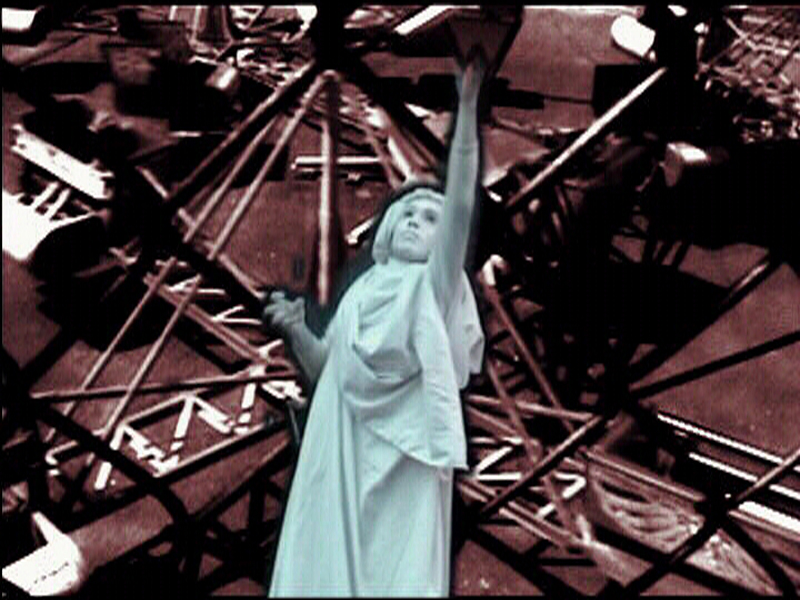
The buildings in Metropolis are massive, rigid, and imposing, reflecting power and hierarchy.
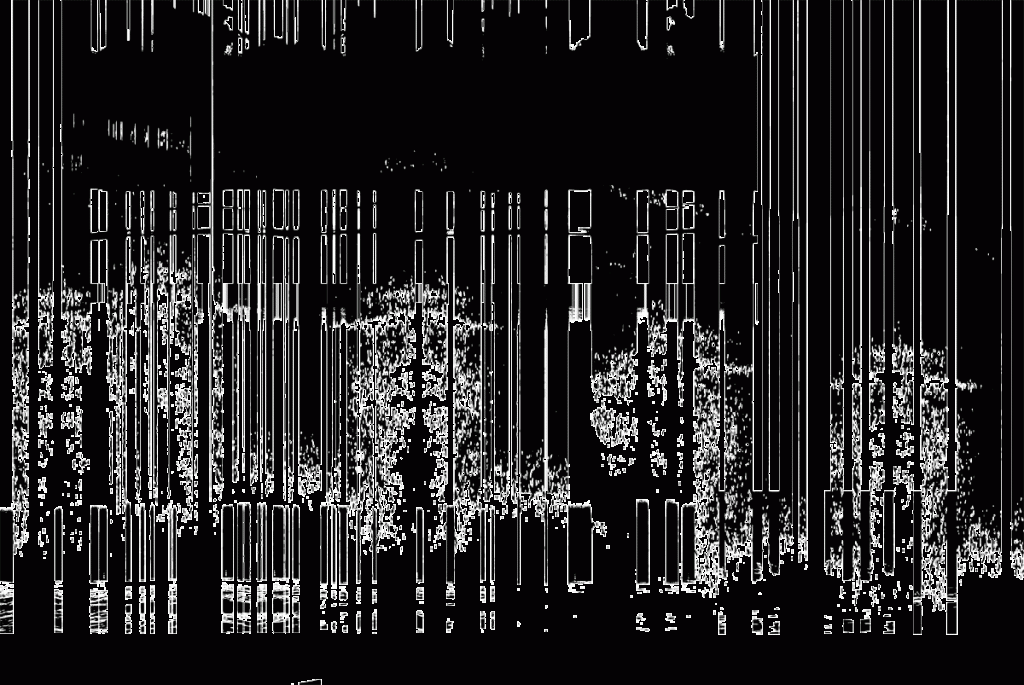
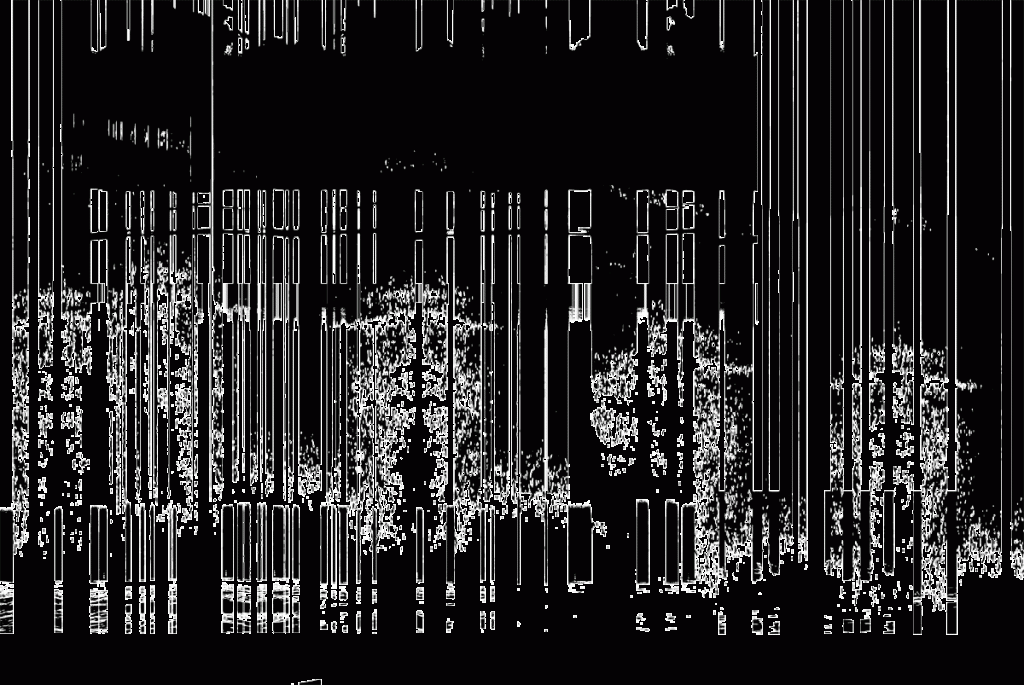
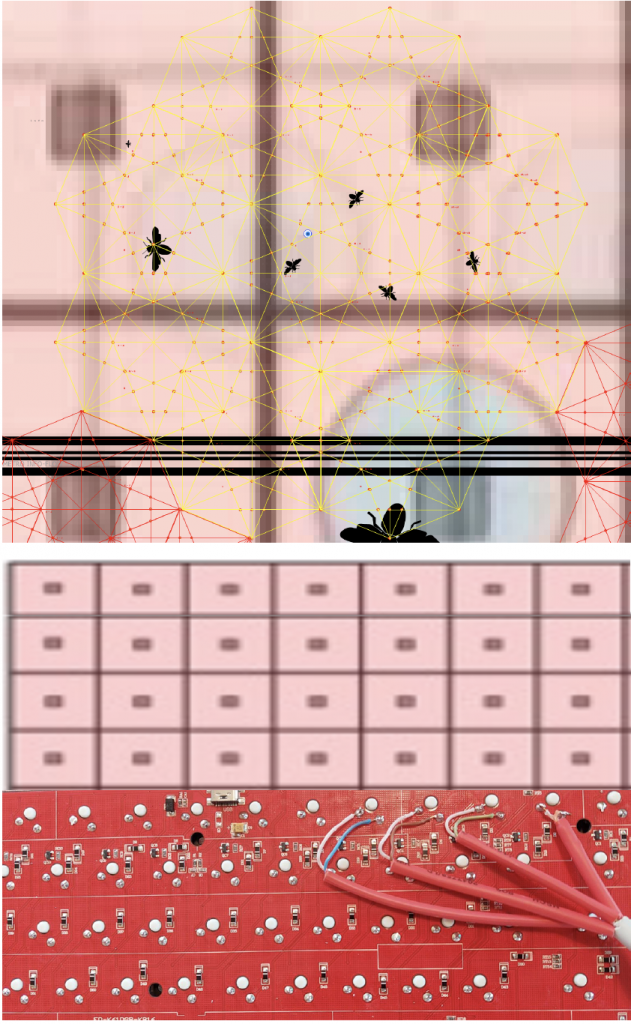
They feature monolithic facades with repetitive square windows, creating a feeling of uniformity and control.
The design foreshadows Brutalist architecture (e.g., massive concrete structures with minimal ornamentation).
Industrial & Machine-Age Influence
The cityscape in Metropolis reflects early 20th-century industrial expansion.
The structures resemble factories, mechanical systems, and rigid efficiency, aligning with the film’s themes of workers vs. elites.
Dystopian Urban Planning
The segregated city design (workers live in underground slums while the elites reside in towering skyscrapers) suggests early megastructures.
These visuals influenced Blade Runner (1982), Gotham City (Batman), and cyberpunk cities.
Connections to Your Previous Image
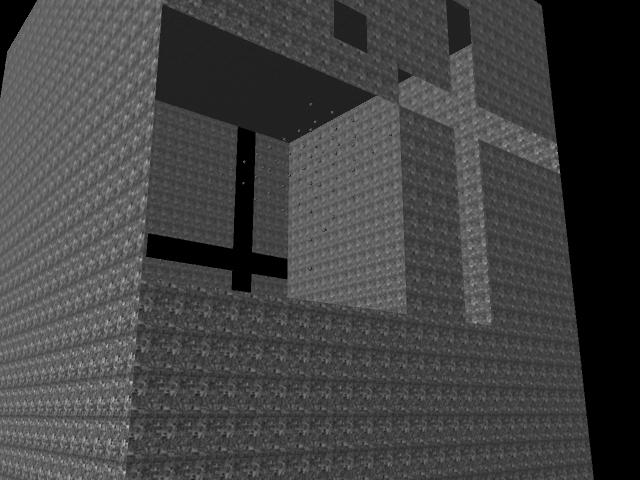
Grid-like Windows & Towering Facades
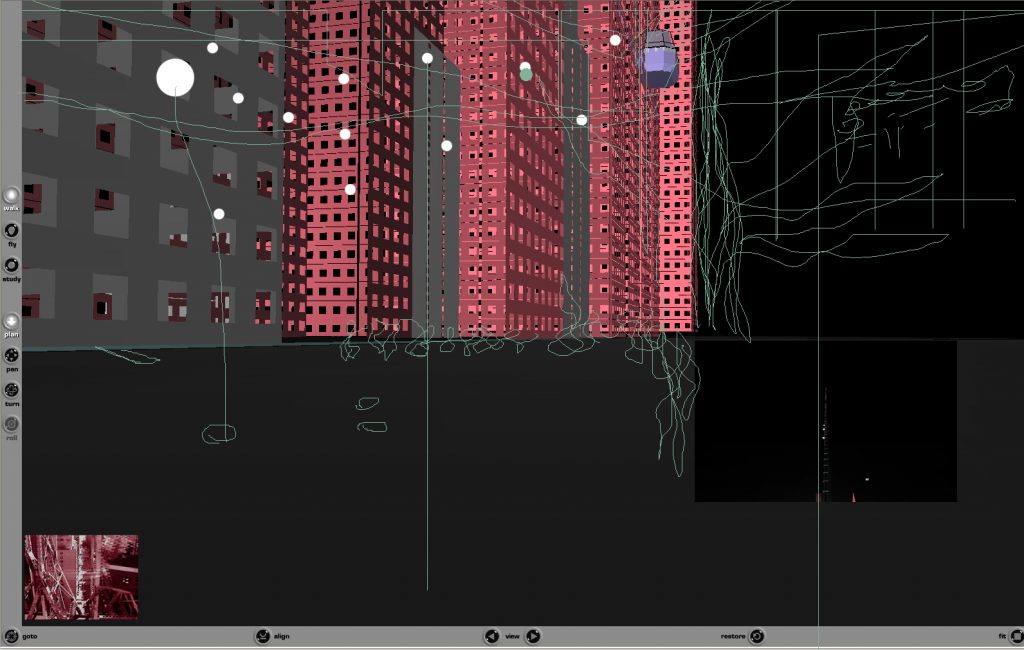
Both images feature a rigid window layout, contributing to a sense of repetition and dehumanization.
This aesthetic reflects the idea of architecture serving authority rather than individuality.
Minimalist & Geometric Approach
The boxy, uniform structures in both images lack human-scale ornamentation, reinforcing the machine-dominated city concept.
Dystopian & Sci-Fi Inspiration
The lighting and composition in Metropolis emphasize power dynamics (workers entering buildings like factory shifts).
Your previous image also suggests a futuristic, potentially dystopian cityscape.
Suggestions for Expanding on This Style
To emphasize interconnected structures in a massive city.
multi-tiered urban levels to create a dynamic futuristic metropolis.
Lighting Effects → Strong contrast (like Metropolis) to emphasize power, control, and mystery.
Industrial Materials → Concrete, steel, and glass to reinforce a machine-age aesthetic.
< !– wp:gallery {“linkTo”:”none”} –>

The architecture in the Metropolis (1927) film and the building in your previous image share stylistic and conceptual similarities, especially in their dystopian, geometric, and repetitive design.